New Home Construction in the Bay Area: A Complete Guide for Landowners and First-Time Builders
New home construction in the Bay Area is not for the faint of heart — but for homeowners who navigate it well, the result is something no resale home can match: a home designed precisely for your life, built to current energy and seismic codes, with no deferred maintenance, no compromises on layout, and no previous owner's choices to undo. This guide is written for people who own land or are considering purchasing a lot in the Bay Area and want an honest, complete picture of what new home construction involves — from feasibility to final walkthrough.
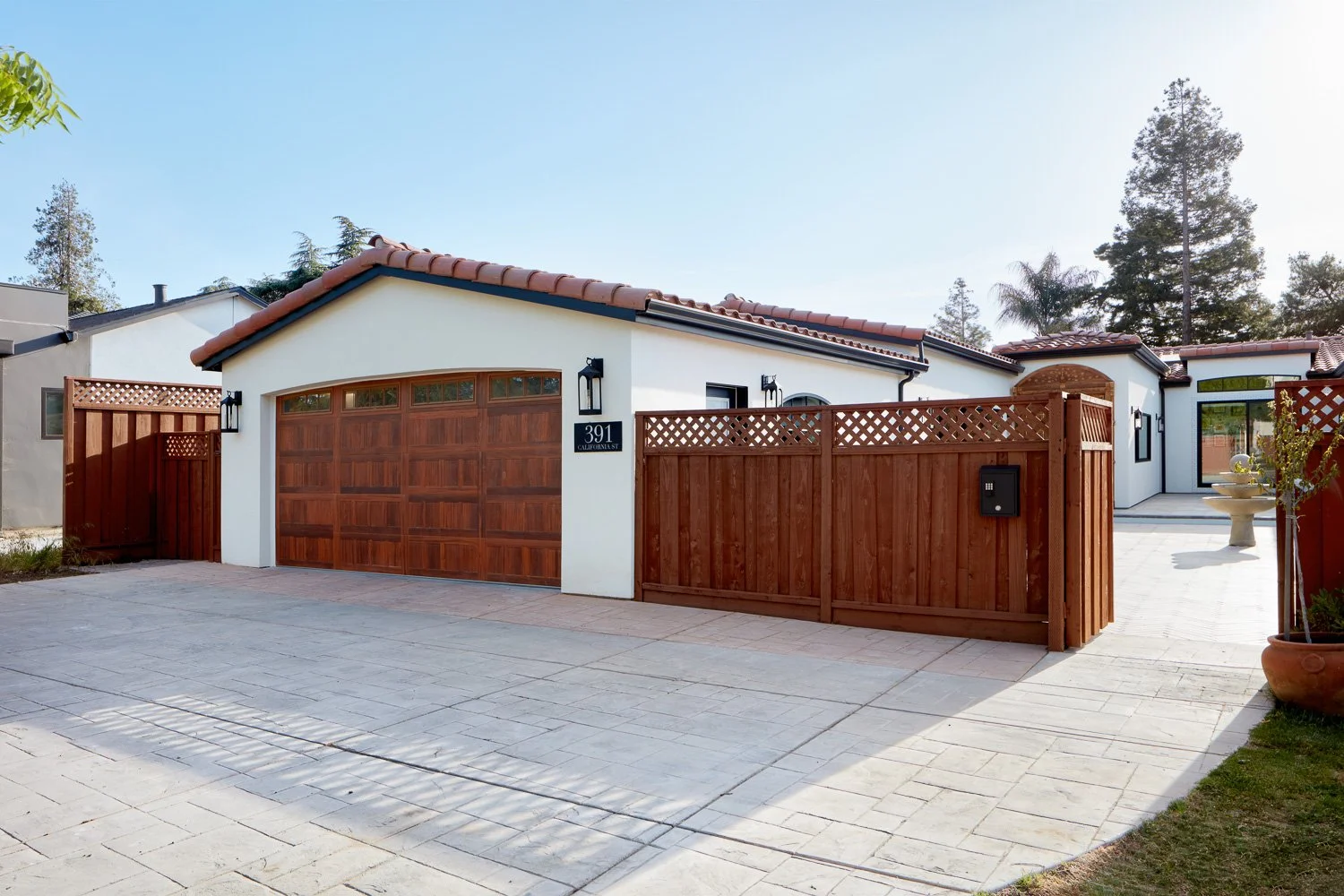
Is Your Lot Ready to Build On? What to Evaluate First
Before engaging an architect or builder, your lot needs a thorough feasibility evaluation. In the Bay Area, several factors can dramatically affect what can be built and what it will cost:
Zoning and FAR: Every Bay Area city has a maximum floor area ratio (FAR) that limits how large a home can be relative to lot size. Setback requirements determine how close to property lines you can build. Know these numbers before falling in love with a floor plan.
Slope and Grading: Hillside lots in cities like Saratoga, Belmont, and Los Altos Hills require extensive grading plans, retaining walls, and drainage systems that can add $100,000–$500,000 to project cost.
Soil Conditions: Bay Area soils vary widely. Expansive clay soils, Bay mud, or fill material require engineered foundation solutions. A soils report (geotechnical investigation) is required for permits and typically costs $3,000–$8,000.
Utility Connections: Is the lot currently served by sewer, water, gas, and electrical utilities? Infill lots in established neighborhoods usually are. Undeveloped lots may require new utility extensions.
Fire Hazard Severity Zone: Many Bay Area hillside communities are in designated fire hazard zones, which impose additional construction requirements for ignition-resistant materials, ember-resistant venting, and defensible space.
The New Construction Process Step by Step
New home construction in the Bay Area moves through a defined sequence:
1. Land acquisition and feasibility review
2. Architect/builder selection and design phase
3. Permit application and city review
4. Site preparation: demolition (if applicable), grading, utilities
5. Foundation: excavation, formwork, concrete pour, waterproofing
6. Framing: floor system, walls, roof structure
7. Exterior envelope: roofing, windows, siding or stucco
8. Rough-in mechanical: plumbing, electrical, HVAC, low-voltage
9. Insulation and air sealing
10. Drywall, paint, and interior finishes
11. Cabinetry, countertops, fixtures, and appliances
12. Finish flooring, tile, and millwork
13. Landscaping and site work
14. Final inspections and certificate of occupancy.
Each phase involves city inspections at key milestones. Your contractor manages the inspection schedule and ensures the project passes each phase before proceeding.
Bay Area New Home Construction Costs in 2025
New construction costs in the Bay Area are driven by labor, materials, and the complexity of local permitting. Here are realistic benchmarks for 2025:Hard construction cost per square foot:
• Value-oriented: $450–$600/sq ft
• Mid-range custom: $600–$850/sq ft
• Premium custom: $850–$1,200/sq ft
• Luxury: $1,200+/sq ft Soft costs (add to hard construction):
• Architecture and engineering: 8–15% of construction cost
• Permit fees: $30,000–$120,000+ depending on city and project size
• Soils/civil/geotechnical reports: $8,000–$30,000
• Utility connections: $15,000–$60,000
• Landscaping: $50,000–$200,000+
For a 3,000 sq ft mid-range custom home, total project cost (excluding land) typically runs $2.2M–$3.5M in established Bay Area cities.
Why New Construction Beats Buying Existing in the Bay Area
The Bay Area resale market offers limited inventory and near-zero ability to get exactly what you want without extensive renovation. New construction delivers:
• Precisely the floor plan you need — no wasted square footage, no compromised layouts
• Current energy efficiency: California's Title 24 energy code and optional solar mandates mean your new home costs significantly less to operate than a comparable older home
• Current seismic standards: Homes built to current code are significantly better engineered for earthquake performance
• No deferred maintenance: A new home requires nothing for years — no roof, no HVAC replacement, no plumbing surprises
• Modern systems throughout: Smart home integration, EV charging, whole-house generators, and high-performance HVAC are designed in, not retrofit
• Warranty coverage: Reputable builders provide 1-year workmanship, 2-year mechanical systems, and 10-year structural warranties. For buyers with the right lot and a budget to build, new construction consistently delivers more value per dollar than purchasing a comparably priced resale home.
Choosing a New Construction Builder in the Bay Area
The builder you choose will have more influence on the outcome of your project than any other factor — including the architect, the budget, or the quality of the lot. Evaluate every candidate on:
• Completed projects in the Bay Area: Visit homes they've built. Talk to clients. Assess construction quality in person.
• Local permit track record: Which cities have they pulled permits in? How do they handle design review boards?
• Financial stability: A builder who can't manage cash flow on multiple projects will slow yours down. Ask for references from past clients about payment timing and subcontractor relationships.
• Team depth: Who actually runs your project day to day? The principal who closes the sale or the project manager who shows up at 7am?
• Transparency: The best builders are upfront about risks, budget contingencies, and market realities. Optimistic promises at the start often become expensive disappointments later.
Proudly serving San Jose, Campbell, Los Gatos, Saratoga, Cupertino, Sunnyvale, Santa Clara, Mountain View, Los Altos, Los Altos Hills, Palo Alto, Menlo Park, Stanford, Woodside, Emerald Hills, Atherton, South San Francisco, Redwood City, Foster City, Portola Valley, Belmont, San Mateo, Burlingame, Millbrae, Hillsborough, San Bruno, Daly City, Colma, Brisbane, Pacifica, Milpitas, San Carlos, and surrounding Bay Area communities.