
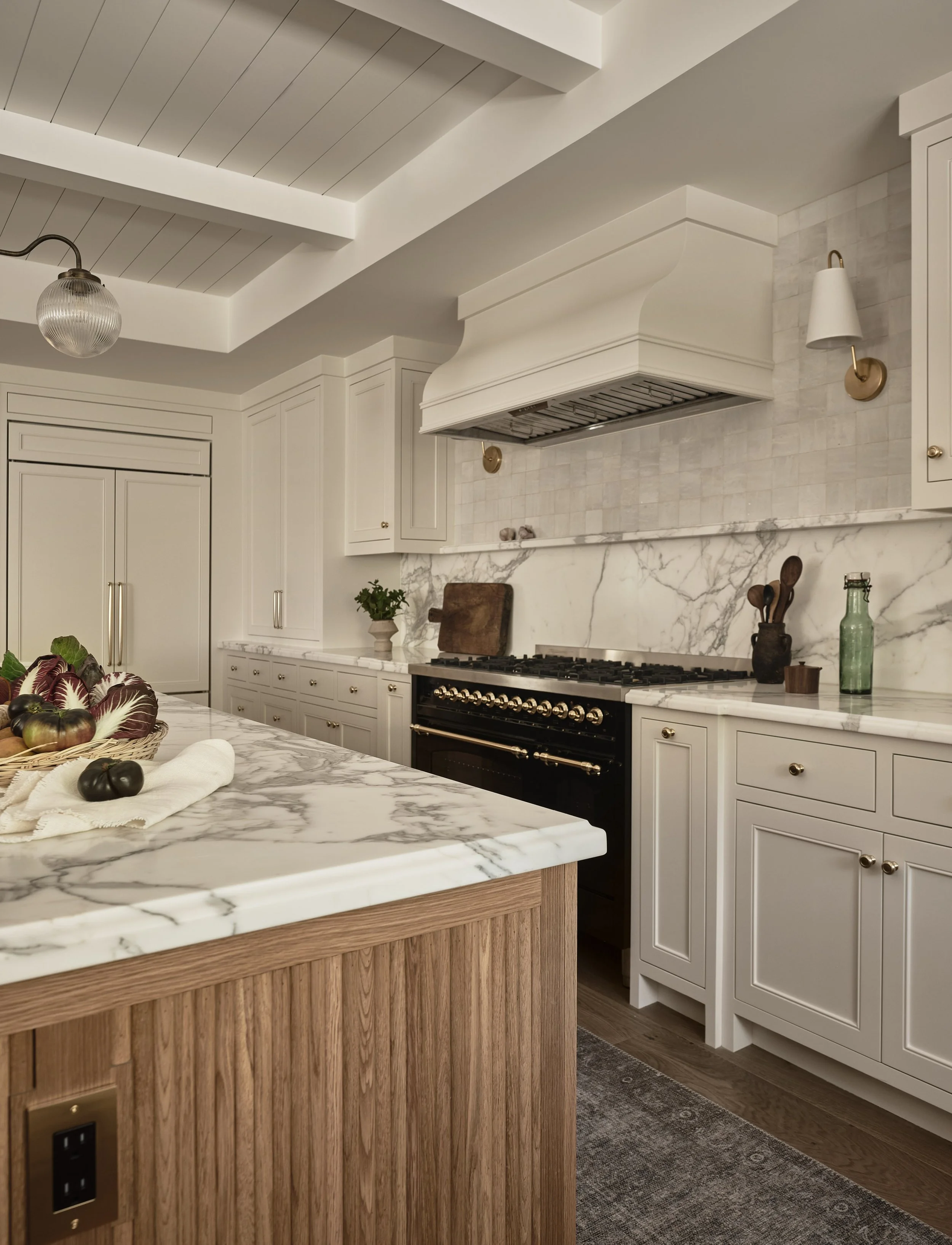
Most homeowners think a general contractor starts when demolition begins. In reality, the right general contractor should reduce risk long before construction starts - by shaping scope, coordinating design, planning permits, controlling schedules, and keeping every moving part aligned.
That matters even more in the Bay Area, where residential projects often involve strict permitting, high labor costs, aging homes, and expensive delays. If you are building an addition, remodeling a whole house, creating an ADU, or starting a teardown and rebuild, the contractor you choose will influence not just the quality of the result, but how much time, stress, and uncertainty the process creates.
What a general contractor actually manages
A general contractor is responsible for executing the build, but on complex residential projects, that role should go far beyond hiring trades and overseeing the jobsite. A strong contractor manages sequencing, budget tracking, inspections, material coordination, subcontractor performance, site conditions, and client communication.
The difference between an average contractor and a high-performing one is usually not visible in a finished photo. It shows up in the process. Were decisions made early enough to avoid change orders? Was the permit strategy realistic? Did the schedule account for lead times, utility coordination, and inspection timing? Was there one accountable team driving the project forward?
For homeowners, that distinction is critical. A beautiful design on paper does not protect you from delays caused by poor preconstruction planning.
Why the traditional model often creates problems
Many homeowners still enter projects through a fragmented path: first an architect, then bidding, then a contractor, then a long series of handoffs and revisions. That can work on some projects, but it often creates disconnects between design intent, budget reality, and construction execution.
When design and construction are separated, common problems tend to follow. Plans may be beautiful but over budget. Permitting comments may trigger redesign. Construction details may not fully reflect site conditions. Once the contractor is finally brought in, the homeowner can end up paying for delays that were built into the process from the start.
This is why more homeowners now look for a contractor who can coordinate the full building journey, not just the construction phase. A design-build general contractor can align design, permitting, and execution under one team, which usually means faster decisions, fewer gaps, and clearer accountability.
What to expect from a general contractor on major home projects
If you are investing in a high-value residential project, your contractor should provide more than a crew and a contract. You should expect a defined process, a realistic schedule, transparent communication, and disciplined project management.
During preconstruction, that means helping you clarify goals, evaluate feasibility, identify budget drivers, and coordinate with design professionals before expensive mistakes are locked in. During permitting, it means tracking submissions, responding to comments, and maintaining momentum. During construction, it means active site supervision, quality control, schedule management, and quick resolution when conditions change.
There are always variables in remodeling and new construction, especially in older Bay Area homes. Hidden framing issues, utility upgrades, jurisdiction requirements, and product lead times can all affect a project. A good contractor does not pretend those variables do not exist. They plan for them, communicate early, and manage them without losing control of the job.
How to choose the right general contractor
Start by matching the contractor to the scale and complexity of your project. A company that handles kitchen refreshes is not automatically the right fit for a room addition, custom home, or teardown and rebuild. You want a team with experience in substantial residential scopes, local permitting realities, and integrated project coordination.
Ask how they handle design coordination, estimating, scheduling, permit management, and change orders. Ask who is accountable from concept to completion. Ask how often you will receive updates and who you will talk to when decisions need to be made quickly.
You should also pay attention to how the contractor talks about process. Vague promises are easy. Specific systems are harder to fake. A serious builder can explain how they reduce delays, how they sequence work, and how they keep communication centralized.
For homeowners who value speed and simplicity, an integrated model is often the smarter choice. Companies like EDR Design Build are built around that idea: one team that permits, designs, and builds, with systems designed to reduce friction and move projects forward faster.
When a design-build general contractor makes the most sense
Not every project needs a fully integrated approach. If the scope is small and the plans are already complete, a traditional contractor may be enough. But when the project includes structural work, additions, ADUs, full-home remodeling, or new construction, coordination becomes too important to treat as an afterthought.
That is where a design-build general contractor has a clear advantage. Instead of managing separate consultants, conflicting timelines, and finger-pointing between teams, you work with one organized partner responsible for the entire process. That does not remove every challenge, but it does remove much of the confusion homeowners usually face.
The right contractor should make a major project feel more controlled, not more chaotic. If you are making a significant investment in your home, that is not a luxury. It is part of the job.
Proudly serving San Jose, Campbell, Los Gatos, Saratoga, Cupertino, Sunnyvale, Santa Clara, Mountain View, Los Altos, Los Altos Hills, Palo Alto, Menlo Park, Stanford, Woodside, Emerald Hills, Atherton, South San Francisco, Redwood City, Foster City, Portola Valley, Belmont, San Mateo, Burlingame, Millbrae, Hillsborough, San Bruno, Daly City, Colma, Brisbane, Pacifica, Milpitas, San Carlos, and surrounding Bay Area communities.
