
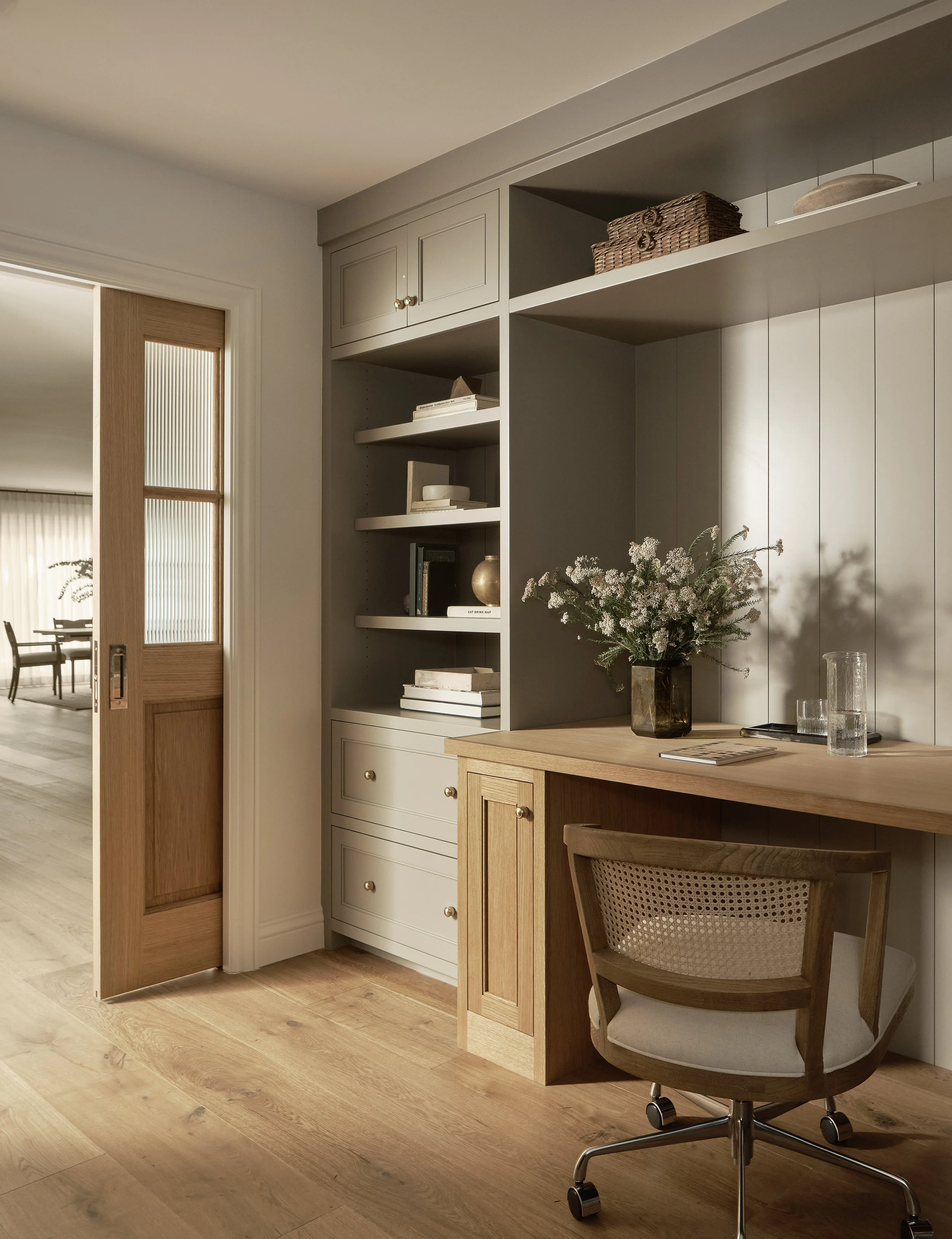
Palo Alto projects rarely fail because of one bad decision. They stall because too many moving parts are split across too many people. If you're hiring a Palo Alto home builder for a remodel, addition, teardown, or new custom home, the real question is not just who can build. It is who can manage design, permitting, budget, schedule, and execution without letting details slip between firms.
In a city known for strict planning review, high property values, and homeowners with little time to spare, that difference matters. The right builder does more than produce a finished house. They reduce friction from the first feasibility conversation through final inspection.
What a Palo Alto home builder should actually handle
For high-value residential work, construction is only one part of the job. A capable builder should help you evaluate scope early, coordinate design direction, anticipate permit constraints, manage consultants, build a realistic budget, and run the field with discipline once work starts.
That matters even more in Palo Alto, where project complexity is common. A room addition may trigger structural upgrades, energy compliance requirements, or planning questions about setbacks and lot coverage. A teardown-and-rebuild may involve demo coordination, utility planning, drainage, and a longer approval path. An ADU may seem straightforward on paper but still require careful site planning, code review, and smart sequencing.
If your builder only enters the picture after drawings are complete, you may already be carrying avoidable risk. Plans can be beautiful and still be expensive to build, difficult to permit, or full of unresolved details. Homeowners often assume those issues will get sorted out later. Later is usually when delays and change orders show up.
Why design-build works well in Palo Alto
Palo Alto is not the ideal place for a fragmented project team. When the architect, estimator, permit coordinator, and contractor all work separately, handoffs get slower and accountability gets blurry. Each party may be competent, but the homeowner ends up coordinating the gaps.
That is why the design-build model is often the better fit here. With one team guiding design, permitting, and construction, decisions happen faster and trade-offs get addressed earlier. If the lot has constraints, if the budget needs to stay inside a specific range, or if the schedule matters because of school timing or a growing family, those factors can shape the project from the beginning instead of becoming surprises midstream.
A strong design-build firm also gives you clearer ownership. You are not left wondering whether a delay came from the designer, the engineer, or the contractor. One team is responsible for driving the project forward.
The questions to ask before you hire
Most homeowners know to ask about license, insurance, and portfolio. Those matter, but they are the baseline. The better questions are operational.
Ask how the builder handles pre-construction. Do they provide early budgeting while design is still evolving? Do they flag permit risks before plans are finalized? Do they coordinate consultants directly, or will you be managing structural engineers, surveyors, and other specialists yourself?
Ask how communication works once the job starts. You want to know who your point of contact is, how often updates are delivered, and how changes are documented. A polished sales conversation means very little if the production process is unclear.
Ask how they build schedules. A trustworthy answer will acknowledge uncertainty instead of promising an unrealistically fast timeline. Good builders move quickly because they have systems, not because they make loose promises. They can explain what drives duration, where approvals can slow down, and what they do to keep momentum.
Ask how pricing is developed. A professional builder should be able to explain allowances, assumptions, exclusions, and escalation exposure in plain language. If the estimate feels vague, the project probably is.
Red flags homeowners miss
One common red flag is a builder who talks mostly about finishes and very little about process. Nice kitchens and custom millwork matter, but process is what protects your budget and timeline. If a company cannot clearly explain its workflow from concept through completion, the project may depend too heavily on improvisation.
Another red flag is weak pre-construction involvement. Some builders are eager to quote completed plans but provide little guidance before that point. In complex Bay Area projects, early involvement is often where the most value gets created. This is when site constraints, structural implications, and pricing pressure can be addressed before they become expensive.
You should also be cautious if the builder cannot speak confidently about local permitting realities. No one can guarantee approval timing, but an experienced team should understand the practical review environment and know how to prepare complete submissions, respond to corrections, and keep paperwork moving.
Finally, be careful with low bids that seem disconnected from the scope. In premium markets, sharply lower pricing often means assumptions were missed, details were left out, or the company is planning to recover margin later through changes. The cheapest starting number is not usually the cheapest project.
Matching the builder to your project type
Not every builder is the right fit for every scope. A full-home remodel requires different planning than a ground-up custom build. An addition must tie into an existing structure, navigate unknown conditions, and often keep part of the home functional during construction. A teardown-and-rebuild demands stronger control of sequencing, permits, and site logistics from day one.
If you are building an ADU, experience matters in a different way. The builder should understand efficient layouts, utility integration, access issues, and how to create standalone function within a limited footprint. If you are rebuilding a primary residence, you need deeper capability in budgeting, architectural coordination, and long-range schedule management.
The best choice is usually the firm that regularly handles your exact level of complexity, not the one that says yes to every type of work.
What speed should really mean
Homeowners naturally want projects completed faster, especially in Palo Alto where carrying costs are high and family logistics are tight. But speed is often misunderstood. Fast does not mean rushing crews or skipping decisions. It means building a process that reduces idle time, avoids preventable redesign, and keeps approvals, selections, and field work aligned.
That is where integrated teams have an advantage. When design, permitting, and construction are coordinated under one roof, there is less waiting for information and fewer chances for miscommunication. A builder with strong systems, active project management, and technology that improves decision-making can move substantially faster than a loosely assembled team.
EDR Design Build is one example of that model, with an end-to-end approach built around design coordination, permitting support, and construction execution under one managed process. For homeowners who want custom work without managing multiple vendors, that structure can remove a lot of unnecessary delay.
Cost, value, and the Palo Alto reality
Palo Alto is one of the most demanding residential construction markets in California. Labor is expensive, expectations are high, and city requirements can add time and documentation. That does not mean every project should be approached as an open-ended premium spend. It means value has to be measured correctly.
The right builder helps you spend where it counts and protect money where it does not. Sometimes that means simplifying structural moves to preserve budget for layout and finishes. Sometimes it means recognizing that a new build is more cost-effective than trying to force a major remodel through an aging structure. Sometimes it means investing more in planning so construction runs with fewer disruptions.
A serious builder should be willing to talk through these trade-offs. If every idea is treated as equally practical, you are probably not getting the guidance you need.
Choosing a builder you can work with for months
Most major residential projects are not just technical exercises. They are long working relationships. You need a builder who can lead decisively, explain issues clearly, and keep the process moving without creating confusion. That is especially important for busy professionals and families who do not have time to chase updates or mediate between separate vendors.
Pay attention to how the company communicates before you sign. Are answers direct? Are next steps clear? Do they talk like experienced project leaders or only like salespeople? The way a team handles early conversations often reflects how they will handle permitting questions, budget revisions, and inevitable field conditions later.
A good Palo Alto home builder should make a complex project feel organized, not easy but manageable. That is the standard worth holding. When design, permitting, and construction are aligned from the start, homeowners get something better than a finished home. They get a process that respects their time, protects their investment, and gives them confidence all the way through.
Proudly serving San Jose, Campbell, Los Gatos, Saratoga, Cupertino, Sunnyvale, Santa Clara, Mountain View, Los Altos, Los Altos Hills, Palo Alto, Menlo Park, Stanford, Woodside, Emerald Hills, Atherton, South San Francisco, Redwood City, Foster City, Portola Valley, Belmont, San Mateo, Burlingame, Millbrae, Hillsborough, San Bruno, Daly City, Colma, Brisbane, Pacifica, Milpitas, San Carlos, and surrounding Bay Area communities.
