Guide to Room Additions
A room addition is one of the most effective ways to expand your living space without leaving the home you love. This room addition guide walks you through planning, costs, and design considerations so your home room addition feels seamless, functional, and built for long-term value.
Whether you’re considering a house extension for a growing family or exploring creative home expansion ideas, proper planning is the key to success.

Home room addition seamlessly integrated with the existing residential exterior
What Is a Home Room Addition?
A home room addition involves expanding the existing footprint or structure of your house to create new livable space. This can include ground-level additions, second-story expansions, or rear and side extensions.
Common room addition types include:
Bedrooms and primary suites
Family rooms and living areas
Home offices or flex spaces
Expanded kitchens or dining rooms
Well-designed residential additions feel like a natural extension of the original home.
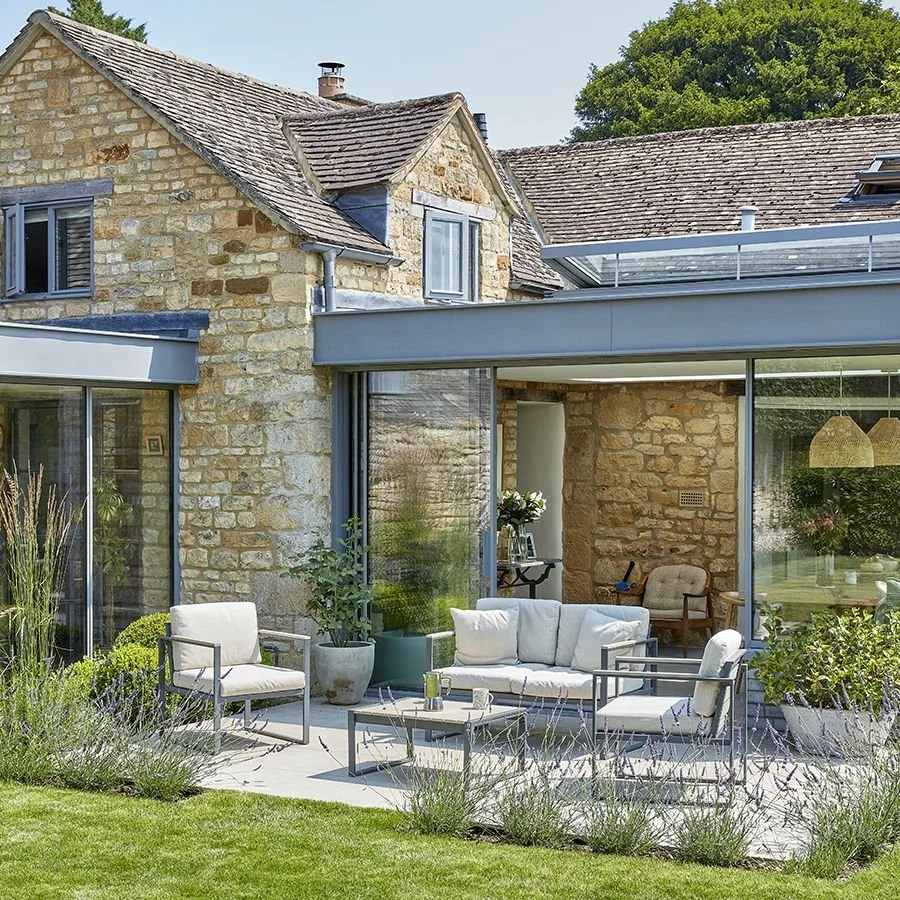
Modern house extension showcasing expanded living space and clean architectural lines
Popular House Extension and Home Expansion Ideas
There are many home expansion ideas that can be tailored to your lot size, layout, and lifestyle. The right approach balances functionality, design, and neighborhood compatibility.
Popular ideas include:
Rear extensions for open-concept living
Side additions to maximize narrow lots
Second-story additions for vertical expansion
In-law suites or guest rooms
Each house extension option requires careful evaluation of zoning, structure, and design flow.
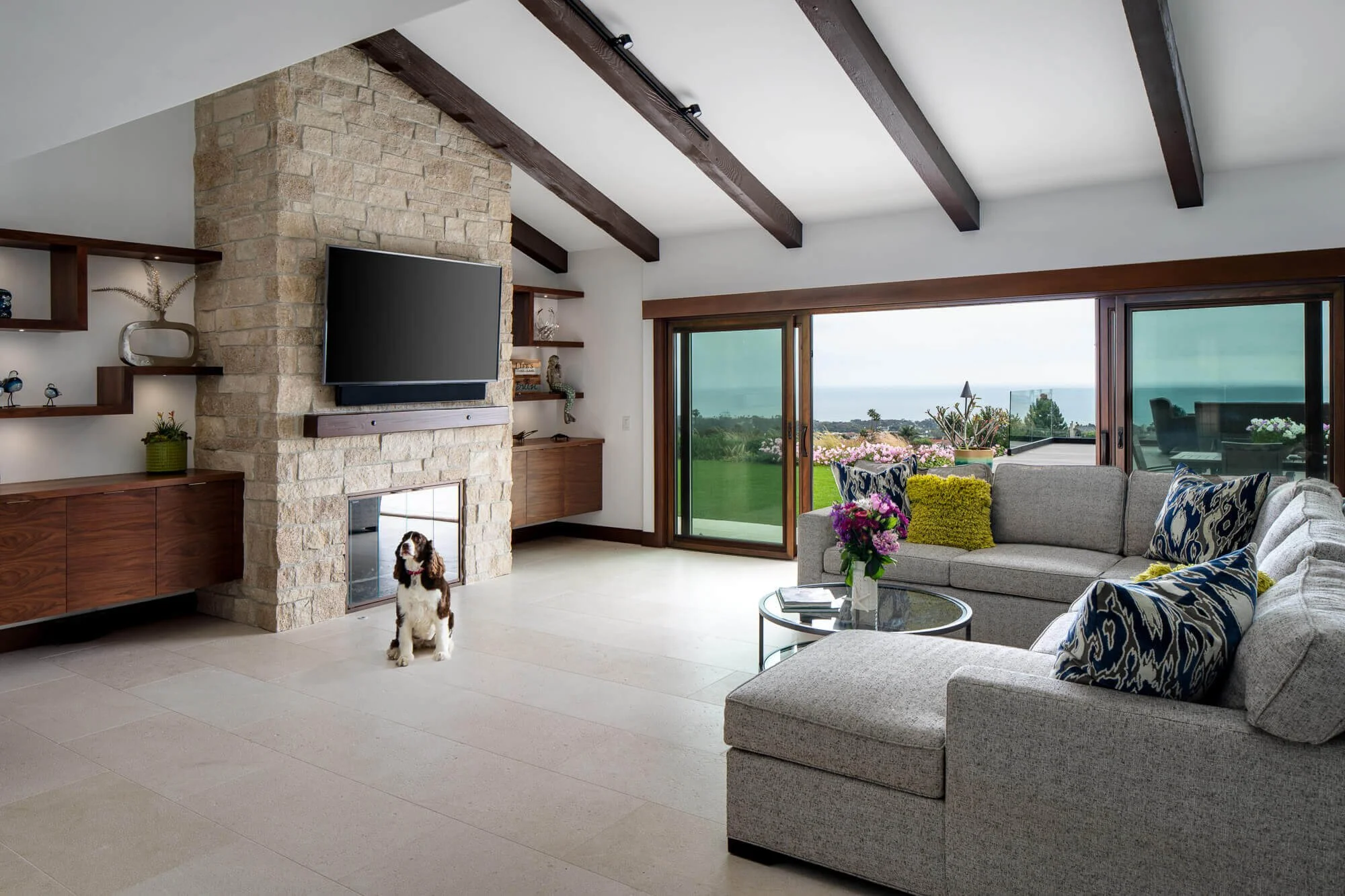
Homeowners meeting with a contractor for room addition planning and design discussion
Room Addition Planning Essentials
Successful room addition planning starts long before construction begins. Early decisions help avoid delays, budget overruns, and design compromises.
Key planning considerations:
Local zoning and setback requirements
Structural feasibility and foundation needs
Interior flow and natural light
Utility connections and permits
Thoughtful planning ensures your room addition supports both current needs and future flexibility.
Understanding Room Addition Cost Factors
Room addition cost varies based on size, complexity, materials, and site conditions. While costs differ, understanding the main drivers helps set realistic expectations.
Factors that influence cost include:
Square footage and layout complexity
Structural modifications and foundation work
Roofing, windows, and exterior finishes
Electrical, plumbing, and HVAC extensions
Working with experienced professionals helps balance budget, quality, and long-term value.
Why Professional Residential Additions Matter
Professional residential additions ensure your new space meets building codes, integrates structurally, and aligns with your home’s existing architecture.
Benefits of working with professionals:
Proper permitting and inspections
Structural integrity and safety
Consistent craftsmanship
A smoother, more predictable construction process
A well-executed room addition adds comfort, usability, and lasting value to your home.
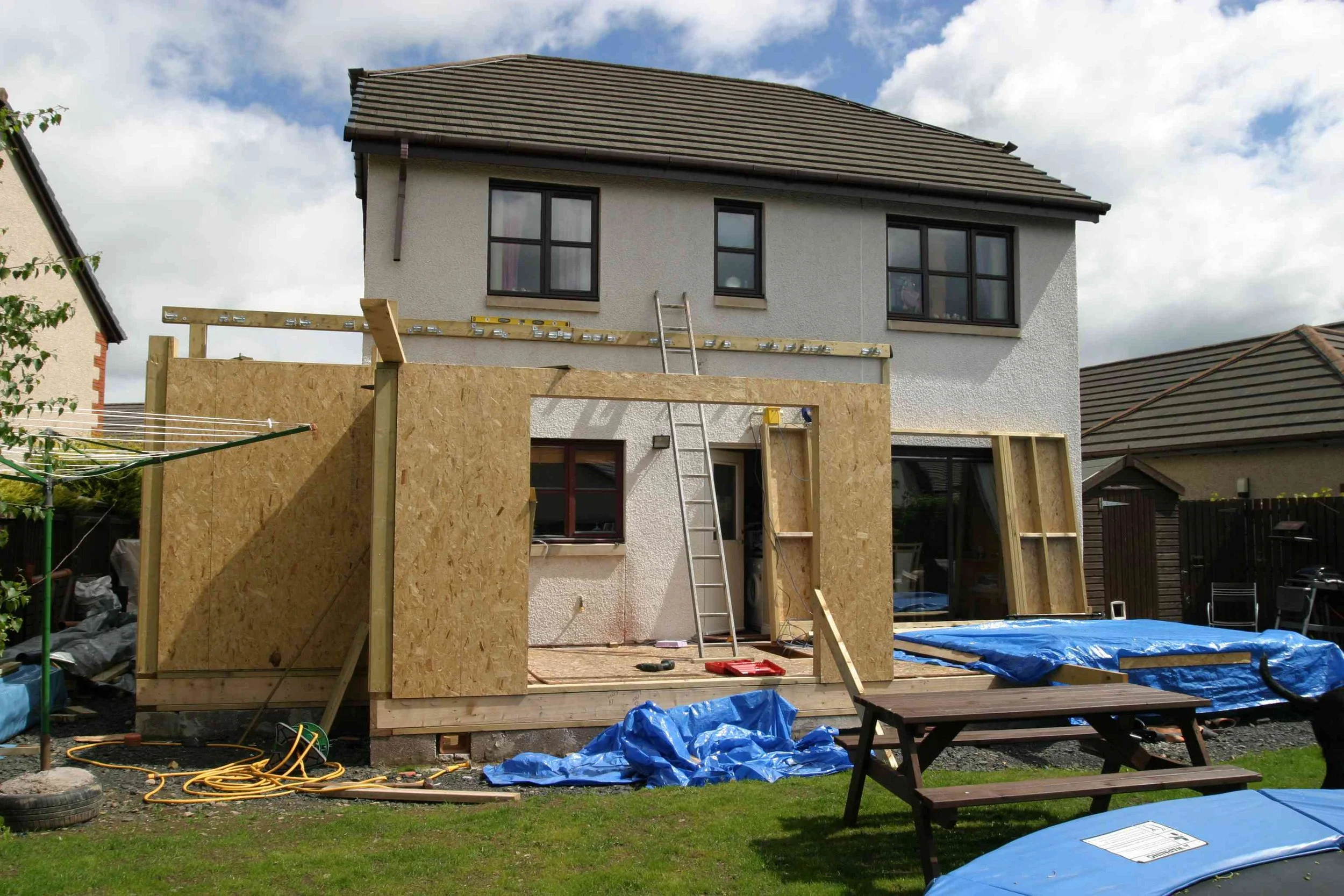
Residential room addition under construction showing framing and structural work
Ready to Plan Your Room Addition?
If you’re reviewing a room addition guide and searching for a trusted contractor to plan a home room addition or house extension, EDR Design Build can help you design and build an expansion that fits your home, your routine, and your long-term goals.
If you’re looking for experienced professionals specializing in residential additions, room addition planning, and full home expansion services, we’d love to help you map out the right plan.
📞 Call: (650) 888-2107
📧 Email: [email protected]