Room Addition Contractor: How to Add Square Footage Without Adding Stress
Your home is running out of room — but you love your neighborhood, your schools, and your lot. A room addition is the solution: more space, more function, and more value without the disruption of moving. But "adding a room" is rarely as simple as it sounds. The right room addition contractor makes this process manageable. The wrong one turns it into a years-long nightmare. Here's everything you need to know about hiring a room addition contractor, managing the process, and getting a result that actually improves your home.
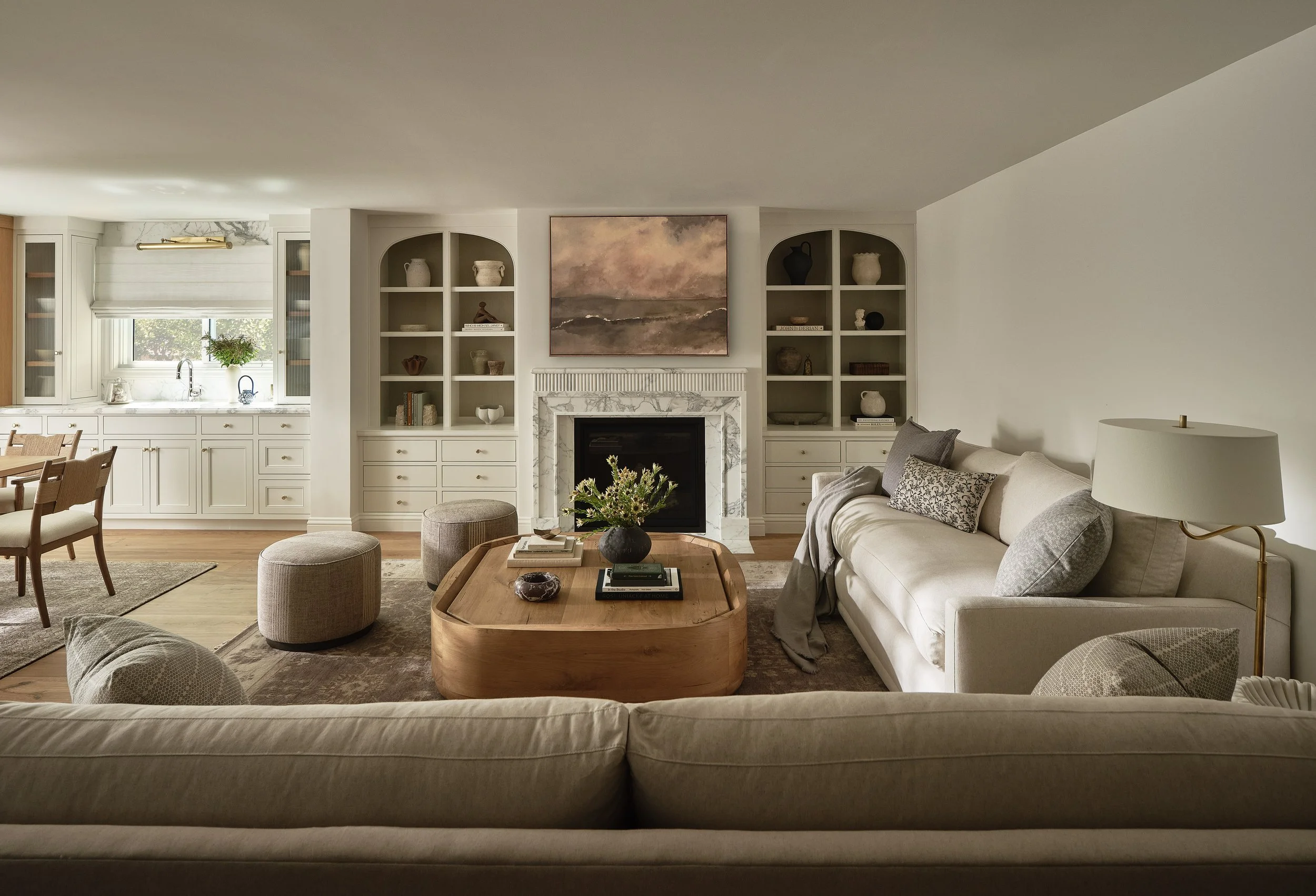
What Counts as a Room Addition?
A room addition is any new enclosed space added to the footprint or vertical structure of an existing home. Common examples include:
• Bedroom addition
• Home office addition
• Family room addition
• Sunroom or flex space
• Bonus room above a garage
• Primary bedroom suite addition
• Bathroom addition connected to a new or existing room
Room additions differ from ADUs (which are self-contained units) and full second-story additions (which add an entire new floor). They typically involve tying into the existing structure — which requires careful coordination between structural engineering, mechanical systems, and finish work.
Design-Build vs. Traditional Contracting for Room Additions
You have two paths for managing a room addition:
Traditional: You hire an architect to design the addition, then separately bid the work out to general contractors. This works, but creates a communication gap between the designer and the builder — leading to change orders when the design doesn't account for real-world construction realities.
Design-Build: One firm handles architecture, engineering, permitting, and construction. For room additions specifically, this model tends to be more efficient. The designer and builder are aligned from day one, which means fewer surprises during construction and a cleaner final product.
For Bay Area homeowners — where project complexity is high and permitting requires detailed drawings — working with a design-build contractor is often the smarter move.
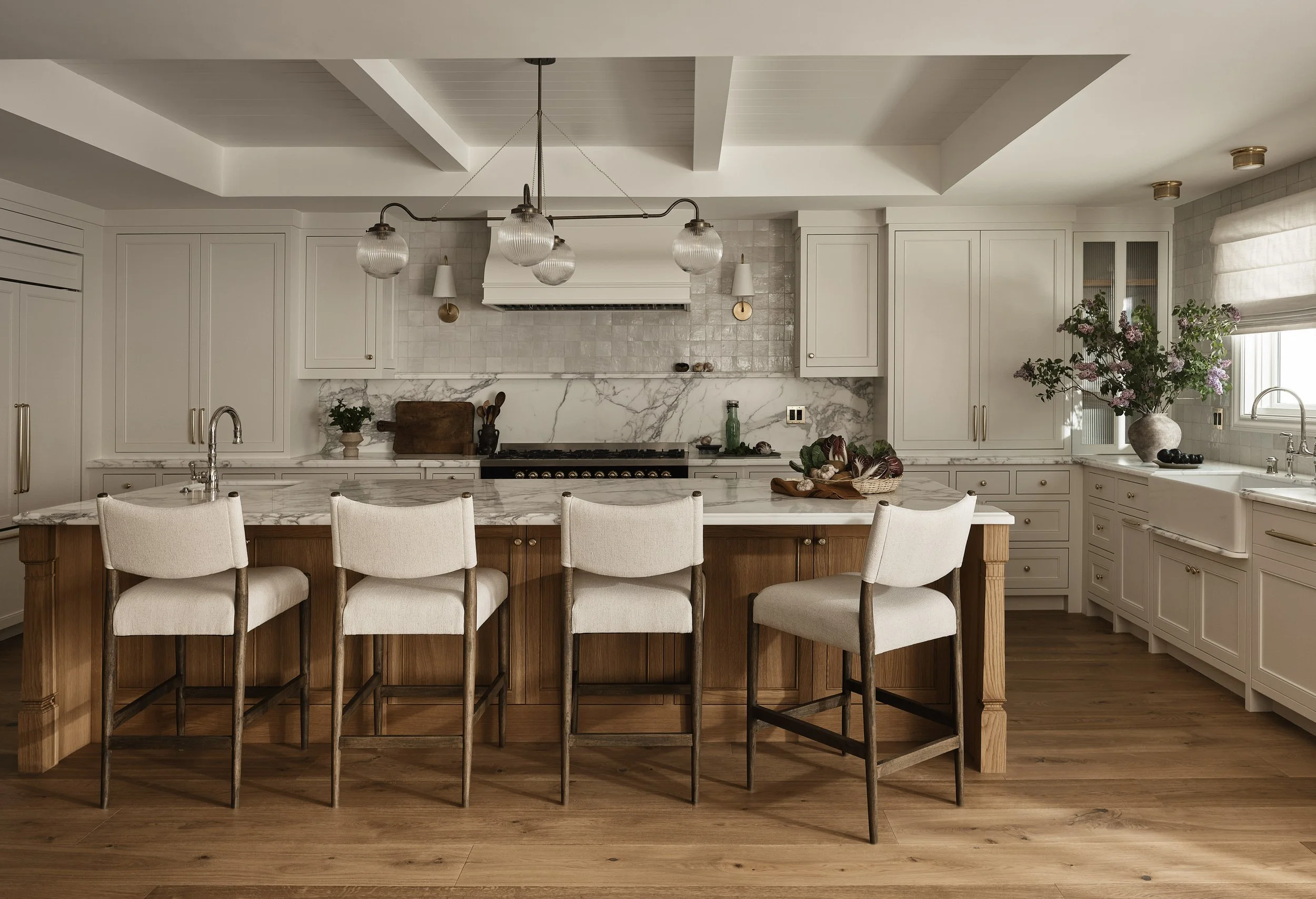
What the Room Addition Process Looks Like
A well-run room addition project follows a clear sequence:
1. Site assessment and feasibility — Your contractor reviews your lot, existing structure, and local zoning to confirm what's possible
.2. Design development — Floor plans, elevations, and structural drawings are prepared and reviewed with you.
3. Permit submittal and approval — The city reviews your plans before work begins. Timeline varies by municipality.
4. Foundation and framing — The footings, slab or crawlspace connection, and structural frame are built first.
5. Rough-in mechanical — Electrical, plumbing, and HVAC are roughed in before walls close.
6. Insulation, drywall, and finishes — Interior work including flooring, paint, trim, and fixtures.
7. Final inspection — City sign-off confirms your addition is legal and permitted.
A good contractor walks you through this timeline before breaking ground and keeps you updated at each phase.
How Much Does a Room Addition Cost?
Room addition costs in the Bay Area depend on size, complexity, and finish level:
• Basic room addition (250–400 sq ft): $120,000–$200,000
• Mid-range addition with custom finishes: $200,000–$300,000
• Premium addition with full architectural design: $300,000+Factors that raise cost include:
• Connecting to existing mechanical systems (especially in older homes)
• Hillside or difficult access sites• Complex rooflines that need to tie into the addition
• High-end materials and custom cabinetry or built-ins
• Long permit timelines in slow-approval cities
Get at least two detailed bids and compare scope line by line — not just the bottom number.
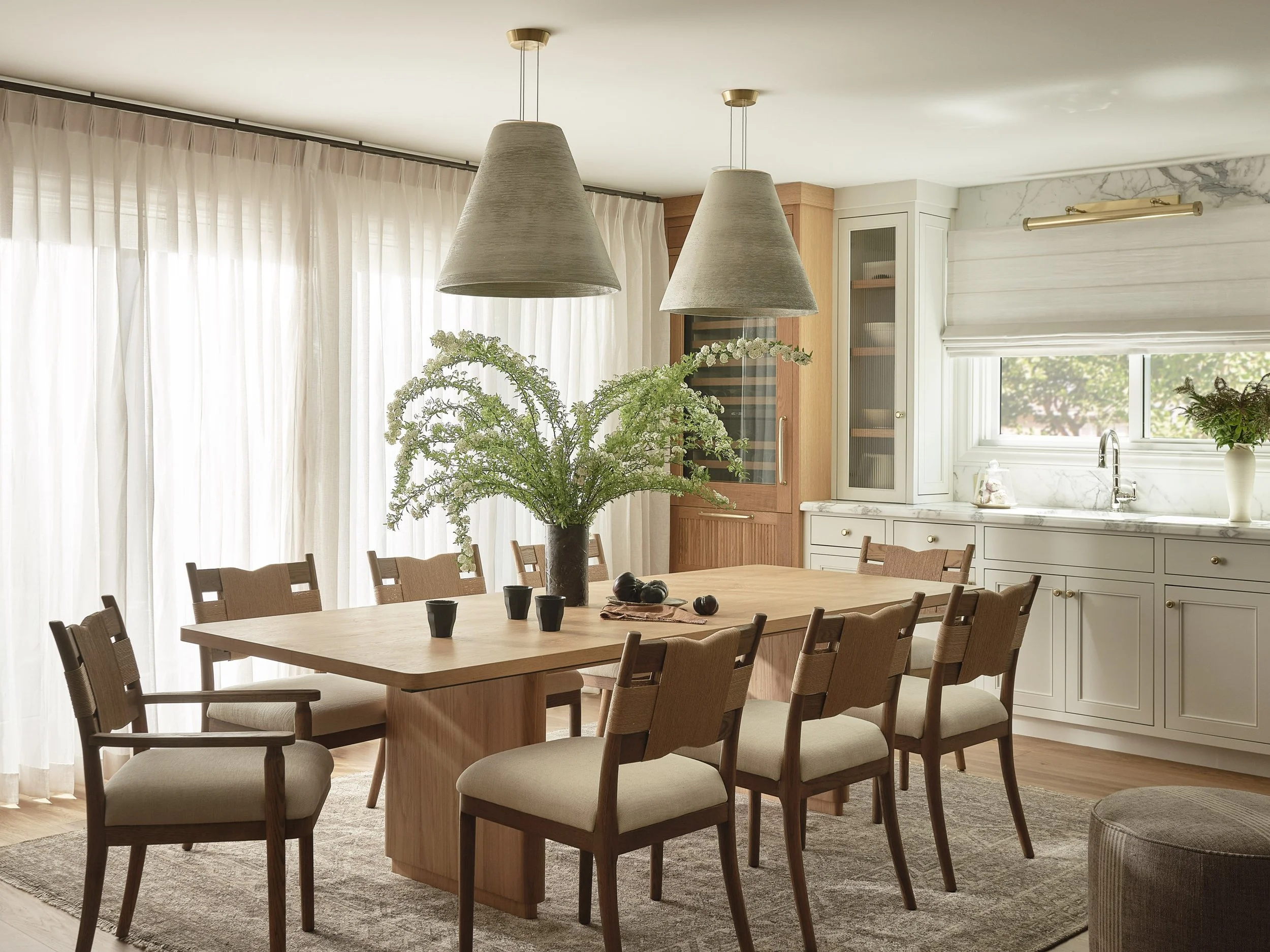
Questions to Ask Before Hiring a Room Addition Contractor
Before signing a contract, ask every candidate:
• How many room additions have you completed in this city/county?
• What's your experience with the local permit process?
• Do you use subcontractors, and if so, how do you vet them?
• What's your communication protocol during construction?
• How do you handle unexpected structural conditions or cost overruns?
• Can I visit a current job site?
A contractor who answers these questions clearly and confidently — backed by a portfolio of real completed projects — is a contractor worth hiring.
Red Flags to Watch Out For
In a competitive market, be cautious of:
• Unusually low bids with vague scope descriptions
• Pressure to sign quickly before seeing plans
• No physical address or verifiable license number
• Reluctance to pull permits ("we can do this without permits")
• Lack of references from similar Bay Area projects
Unpermitted additions create serious problems at resale and can require expensive demolition or reconstruction to legalize. Always work with a licensed contractor who handles permitting as part of the project scope.
Proudly serving San Jose, Campbell, Los Gatos, Saratoga, Cupertino, Sunnyvale, Santa Clara, Mountain View, Los Altos, Los Altos Hills, Palo Alto, Menlo Park, Stanford, Woodside, Emerald Hills, Atherton, South San Francisco, Redwood City, Foster City, Portola Valley, Belmont, San Mateo, Burlingame, Millbrae, Hillsborough, San Bruno, Daly City, Colma, Brisbane, Pacifica, Milpitas, San Carlos, and surrounding Bay Area communities.