
Home Remodel Planning for Bay Area Homeowners
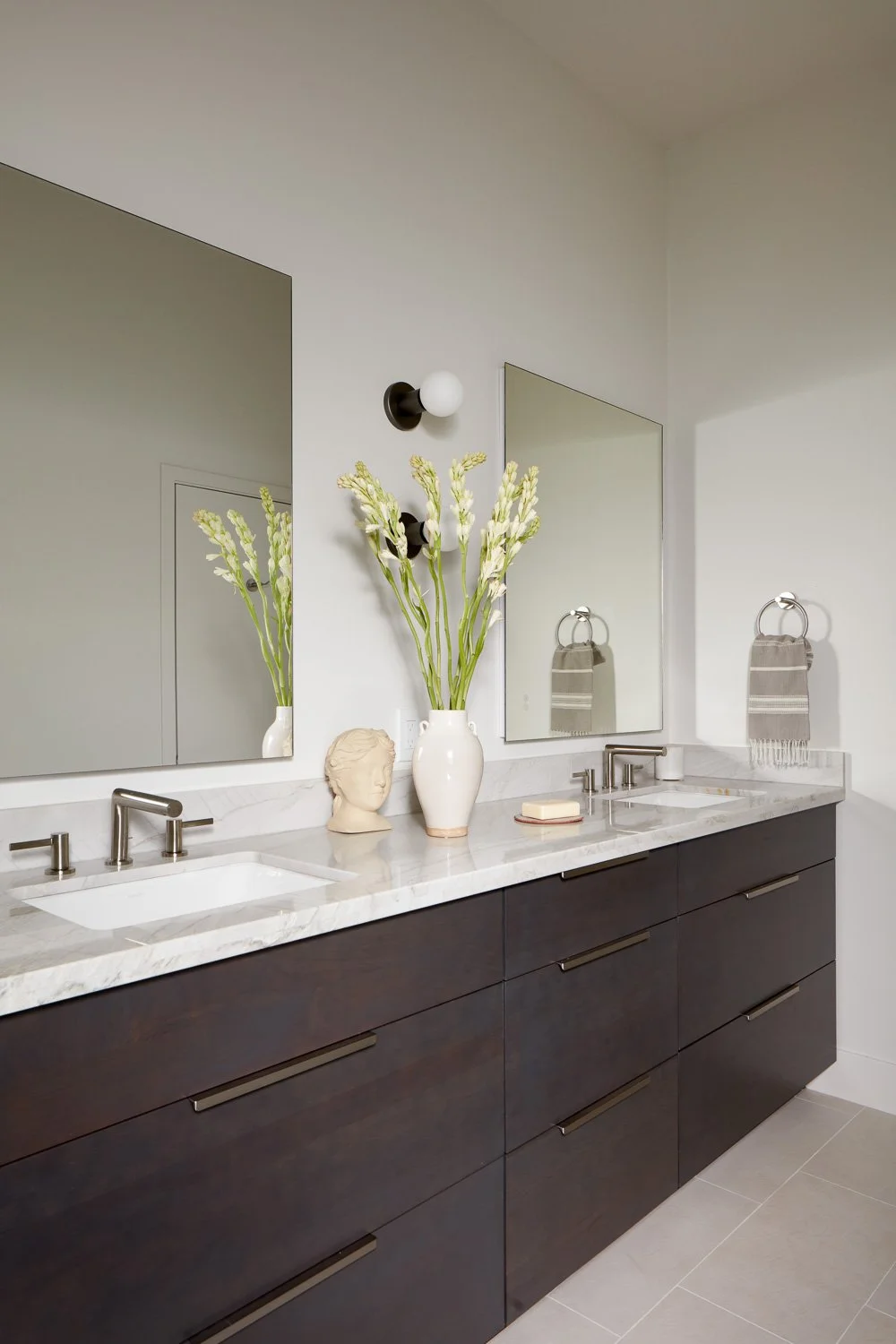
A major home remodel can solve the problems that make a well-located Bay Area home feel too small, dated, or difficult to live in. But the work becomes stressful when design, permitting, pricing, and construction are handled by separate parties with separate priorities. The most effective projects begin with one clear plan and one team accountable for delivering it.
Start Your Home Remodel With the Right Scope
A successful remodel is not defined by the number of finishes selected. It is defined by how well the new space supports the way your household actually lives. That may mean opening a closed-off kitchen, adding a primary suite, rebuilding an aging home, creating flexible work space, or reconfiguring a layout that no longer works for a growing family.
Before discussing materials, identify the outcomes that matter most. Consider how you move through the home each day, where storage falls short, which rooms sit underused, and what changes would make the property more valuable and functional over the next decade. This step prevents a common problem: investing heavily in a beautiful result that does not fully address the reason for remodeling.
Scope also affects budget, schedule, and permitting. Moving structural walls, expanding the footprint, upgrading utilities, or altering a home's exterior can introduce requirements that a cosmetic interior update may not. A qualified design-build contractor can help separate must-have improvements from nice-to-have upgrades before plans are finalized.
Design, Budget, and Permits Need to Move Together
Many homeowners assume the sequence is simple: complete the design, collect construction bids, then start building. In practice, that traditional design-bid-build path can create gaps. A plan may look excellent on paper but exceed the intended budget once construction pricing, site conditions, and permit requirements are reviewed.
An integrated approach keeps design decisions connected to construction reality from the beginning. The contractor can evaluate constructability, likely lead times, engineering needs, and local jurisdiction requirements while the design is still taking shape. That creates more useful conversations about trade-offs.
For example, a larger addition may be the right long-term investment if the property can support it and the family expects to stay for years. In another case, a smarter interior reconfiguration can provide the needed function with less permitting complexity and less disruption. There is no universal answer. The right solution depends on the home, the site, the budget, and the homeowner's goals.
Permitting deserves early attention, especially in Los Gatos and across the Bay Area. Local rules, planning review, utility upgrades, historic considerations, and site conditions can affect the path forward. Treat permitting as a core part of project planning, not paperwork to address after every other decision has been made.
Choose One Team With Clear Accountability
Complex residential work involves more than carpentry. It can require architectural coordination, structural engineering, permit management, procurement, scheduling, inspections, and daily site oversight. When these responsibilities are fragmented, homeowners often become the default project manager. That is a costly role to take on without the systems and experience to manage it.
A full-service design-build team provides one point of accountability from early concepts through final construction. Instead of asking who is responsible when a design detail affects the budget or a permit comment changes the schedule, the homeowner has one team coordinating the response.
At EDR Design Build, that means permitting, design coordination, and construction execution are managed as one connected process. Clear communication is not just a customer-service benefit. It is how decisions stay aligned, changes are evaluated quickly, and the project maintains momentum.
Make Decisions Before Construction Starts
Construction is where the plan becomes visible, but it should not be where the most consequential decisions are made. Late selections and unresolved details can slow crews, create change orders, and force rushed choices.
Before work begins, confirm the layout, major finishes, appliances, lighting direction, plumbing fixtures, windows, and key built-in details. Some selections can remain flexible, but the decisions that affect rough framing, mechanical systems, or long-lead ordering should be resolved early. This is especially important for custom cabinetry, specialty windows, tile, and high-demand appliances.
A disciplined preconstruction process also sets expectations for living through the work. Homeowners should understand site access, temporary protection, working hours, utility interruptions, dust control, and whether a temporary kitchen or off-site housing may be necessary. A larger remodel may require a short-term move, while a phased project can sometimes keep part of the home usable. The best choice depends on the scope and the household's tolerance for disruption.
Build for the Home You Want to Keep
The strongest remodeling decisions balance immediate enjoyment with long-term flexibility. Plan enough storage for real life. Consider aging-in-place features where they make sense. Upgrade systems that are difficult to reach later. Invest in the layout and building envelope before spending disproportionately on purely decorative elements.
A well-planned home remodel should feel simpler once construction begins because the hard thinking happened earlier. Choose a team that can lead that thinking, manage the details, and keep the entire building journey moving in one direction.
Proudly serving San Jose, Campbell, Los Gatos, Saratoga, Cupertino, Sunnyvale, Santa Clara, Mountain View, Los Altos, Los Altos Hills, Palo Alto, Menlo Park, Stanford, Woodside, Emerald Hills, Atherton, South San Francisco, Redwood City, Foster City, Portola Valley, Belmont, San Mateo, Burlingame, Millbrae, Hillsborough, San Bruno, Daly City, Colma, Brisbane, Pacifica, Milpitas, San Carlos, and surrounding Bay Area communities.
