Home Addition Cost Guide: What Bay Area Homeowners Actually Pay in 2026
Home addition costs in the Bay Area are among the highest in the nation — and for good reason. Construction labor is expensive, permit timelines are long, and material quality expectations are high. But done right, a home addition in Palo Alto, San Mateo, or Los Altos can add significant equity while delivering the space your family actually needs.
This guide breaks down real cost ranges for every major type of home addition in the Bay Area, explains what drives cost differences, and helps you understand what you're actually paying for when you hire a design-build contractor.
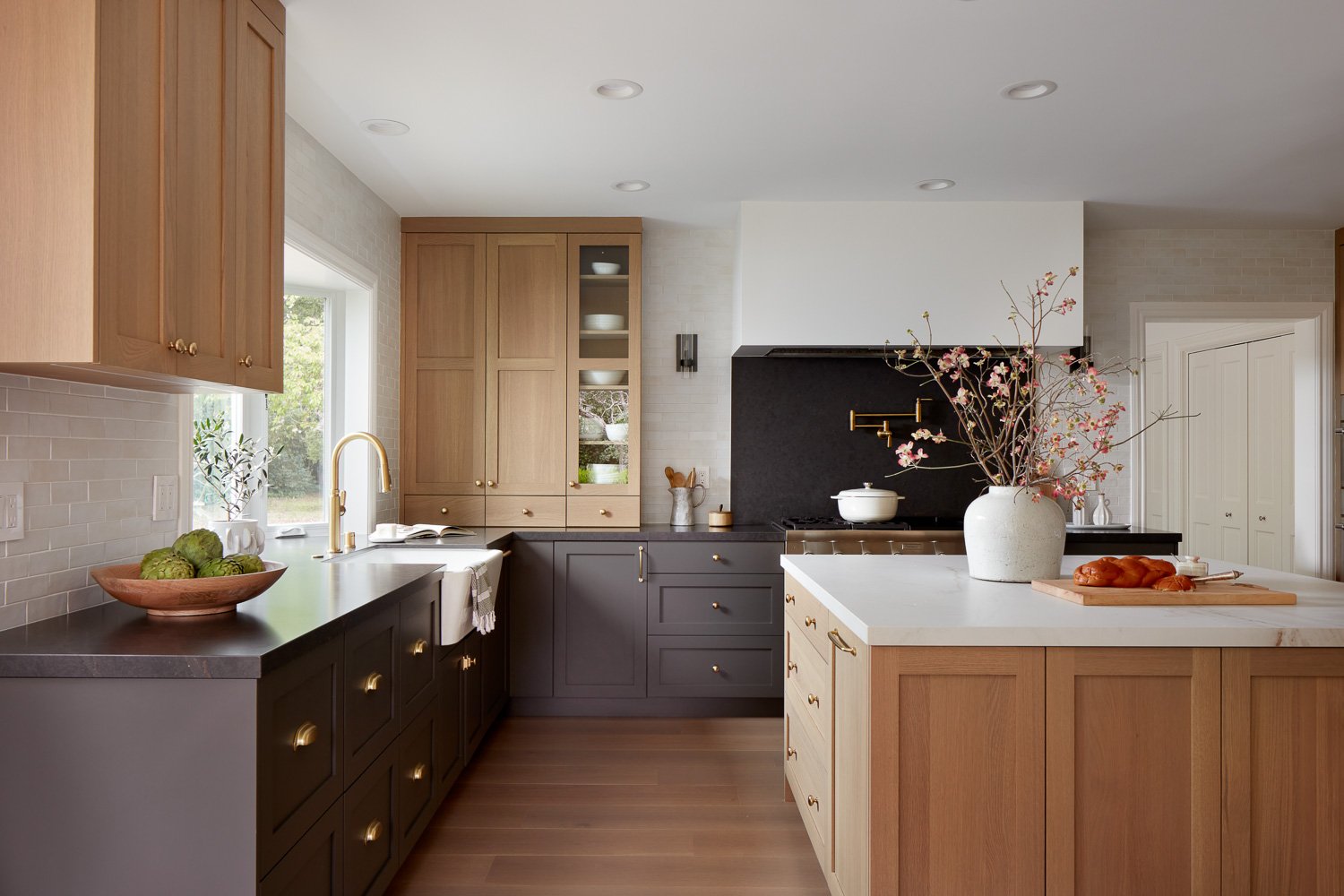
Bay Area Home Addition Cost by Project Type
Here are 2026 cost benchmarks for the most common home addition types in San Mateo County and Santa Clara County:
Room Addition (single room, 300–500 sq ft)
• Budget range: $150,000–$250,000
• Mid-range: $250,000–$350,000
• Premium: $350,000+Master Suite Addition (bedroom + bathroom, 400–700 sq ft)
• Budget range: $200,000–$320,000
• Mid-range: $320,000–$450,000
Second Story Addition (full new level)
• 600–1,000 sq ft: $350,000–$550,000
• 1,000–1,500 sq ft: $550,000–$800,000
• 1,500+ sq ft: $800,000–$1,200,000+ADU — Detached (600–1,200 sq ft)
• Garage conversion: $100,000–$200,000
• New construction ADU: $250,000–$500,000
Family Room Addition (open concept extension, 400–600 sq ft)
• Typical range: $200,000–$380,000
What's Included in a Home Addition Budget
A complete home addition budget covers more than just materials and labor. Make sure any bid you receive accounts for:
• Architectural design and engineering drawings
• Structural engineering fees
• City permit fees (which vary significantly by municipality)
• Site preparation and demolition
• Foundation work
• Framing, roofing, windows, and exterior cladding
• Rough-in electrical, plumbing, and HVAC
• Insulation and air sealing
• Drywall, paint, flooring, and interior finishes
• Fixtures, hardware, and lighting
• Utility reconnection and final inspections
Be skeptical of bids that don't itemize these categories. A vague lump-sum bid often means critical line items are missing — and you'll pay for them in change orders.
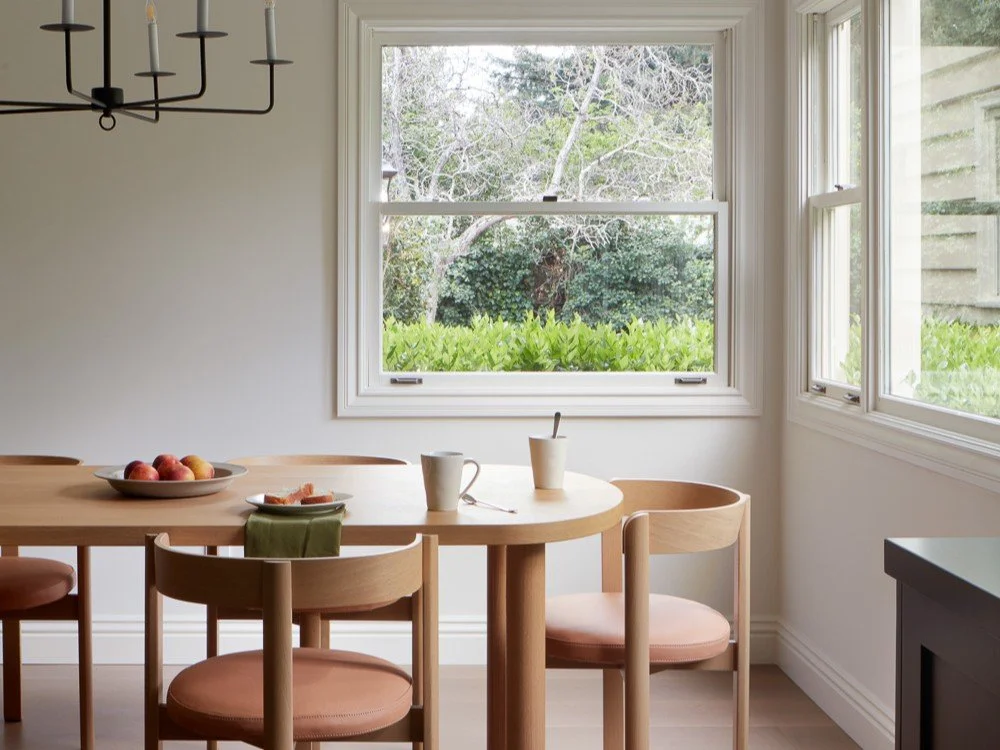
What Drives Cost Variation in the Bay Area
Several factors cause Bay Area addition costs to span wide ranges:
Permit Complexity: Cities like Palo Alto and Menlo Park have detailed design review processes that require additional drawings, consultants, and review fees. Faster-approval cities cost less in soft costs.
Existing Conditions: Older homes frequently require foundation upgrades, asbestos or lead abatement, outdated electrical panel replacement, or structural reinforcement before addition work can begin. These are real costs that should appear in your bid.
Site Access: Hillside lots, tight side yards, or properties with limited staging area increase labor costs because material delivery and construction logistics are more complex.
Finish Level: The difference between builder-grade and premium finishes — flooring, cabinetry, countertops, windows, and fixtures — can add $50,000 to $150,000 to the same project footprint.
Design Complexity: A simple rectangular addition with a straightforward roofline costs less than one that must integrate with complex existing architecture, multiple roof planes, or custom exterior details.
Why the Cheapest Bid Is Rarely the Best Value
In a competitive market, it's tempting to go with the lowest bid. But in Bay Area construction, low bids typically mean one of the following:
• Missing scope — Line items like permit fees, structural engineering, or specific finish packages aren't included and will be billed as change orders.
• Unlicensed or underinsured labor — A contractor carrying inadequate insurance puts you at serious financial and legal risk if an injury occurs on your property.
• Inexperienced permitting — A contractor unfamiliar with local permit requirements may underestimate the review timeline or design requirements, causing costly redesigns.
• Value engineering that isn't communicated — Swapping specified materials for cheaper alternatives without disclosure.
The best value comes from a contractor who delivers a detailed, itemized bid, explains what's included and excluded, and has a portfolio of completed projects at the price point they're quoting.
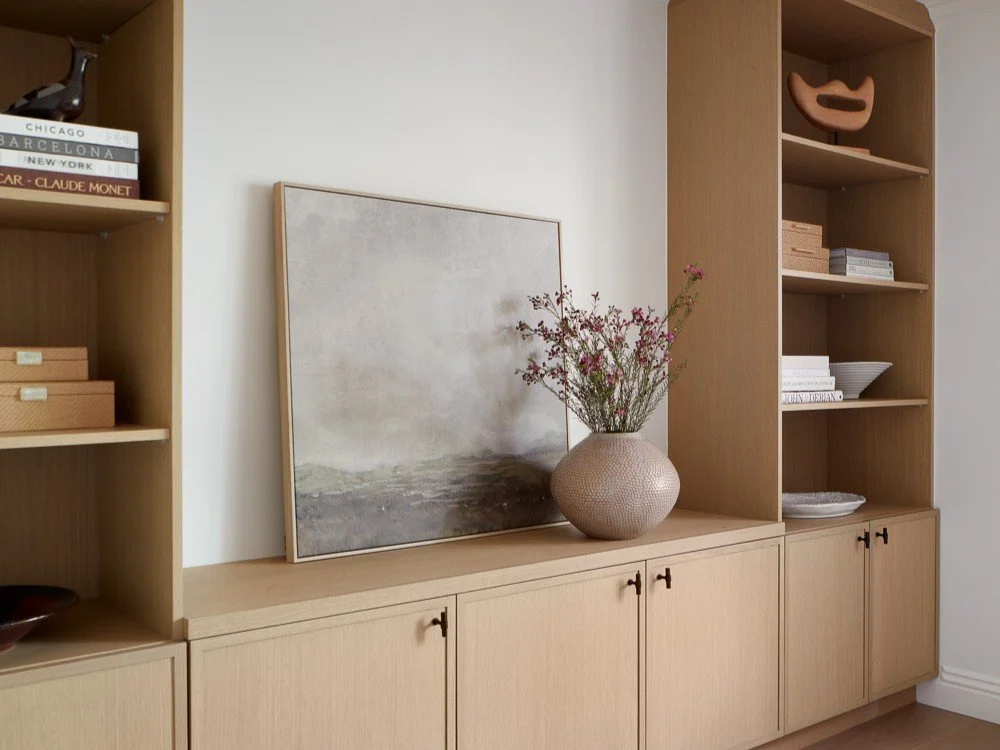
How to Get a Reliable Cost Estimate
To get an accurate estimate for your home addition:
1. Meet with at least two or three design-build contractors in person — not just over the phone or email.
2. Provide as much information as possible: square footage goals, finish preferences, any known site conditions.
3. Ask each contractor to walk you through the permit process for your specific city and estimated timeline.
4. Compare bids at the line-item level, not just the bottom number.
5. Check references from projects of similar type and scope in your area.
A reputable design-build firm will provide a detailed proposal with clear scope, timeline, and allowance schedules — not just a number on a page.
Proudly serving San Jose, Campbell, Los Gatos, Saratoga, Cupertino, Sunnyvale, Santa Clara, Mountain View, Los Altos, Los Altos Hills, Palo Alto, Menlo Park, Stanford, Woodside, Emerald Hills, Atherton, South San Francisco, Redwood City, Foster City, Portola Valley, Belmont, San Mateo, Burlingame, Millbrae, Hillsborough, San Bruno, Daly City, Colma, Brisbane, Pacifica, Milpitas, San Carlos, and surrounding Bay Area communities.