
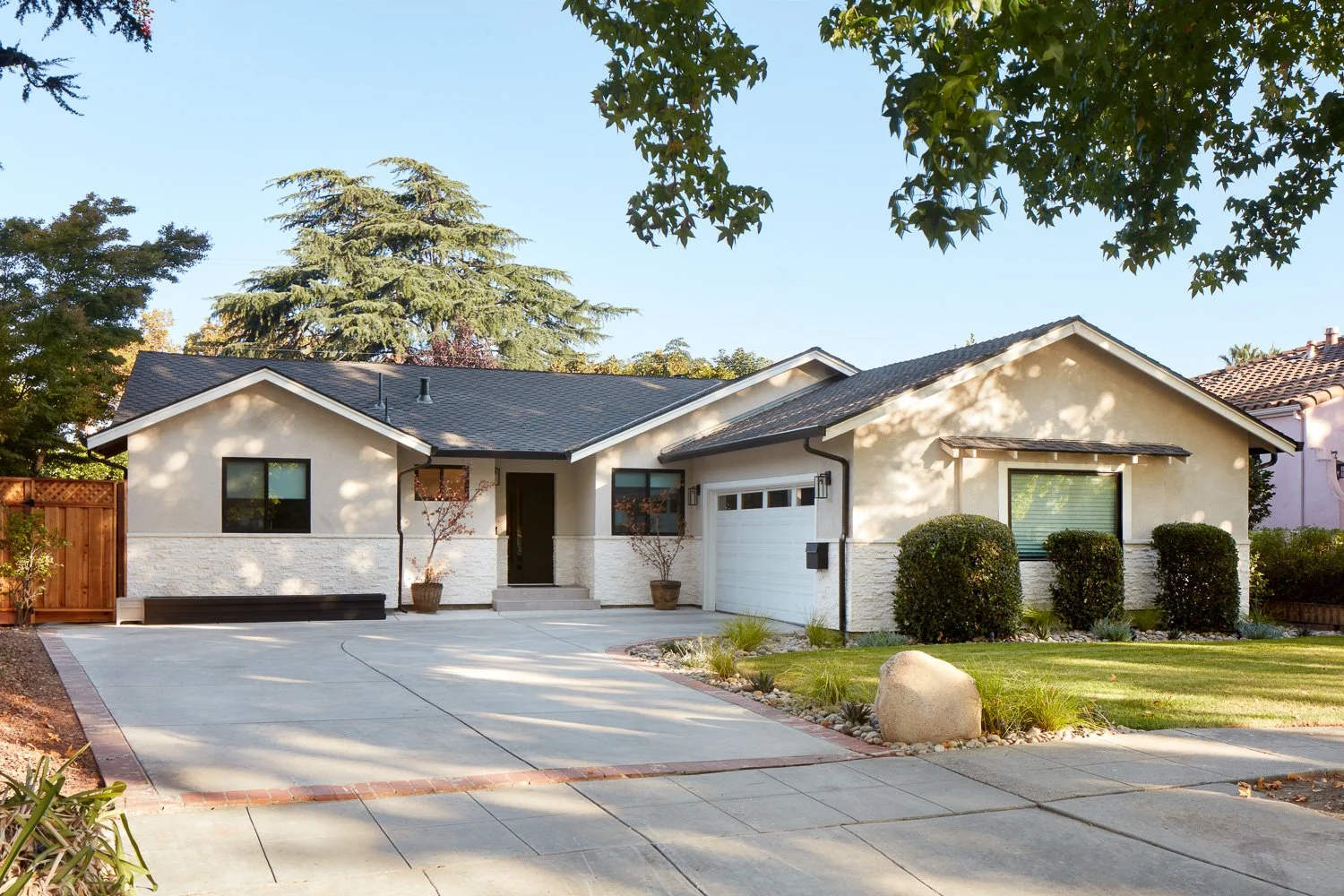
A major remodel can fail long before construction begins. The wrong assumptions, an incomplete scope, or a contractor who is not equipped to manage the entire project can create months of avoidable decisions and expensive change orders. Remodeling contractor selection is not simply about finding a qualified builder. It is about choosing the team and process that can carry your home from an early idea through permits, construction, and final completion.
For Bay Area homeowners planning an addition, whole-home remodel, ADU, or custom rebuild, the stakes are high. You are not hiring someone to replace a fixture. You are trusting a team with your property, budget, daily routine, and long-term home value. The right choice should make a complicated project feel organized, not leave you coordinating architects, engineers, subcontractors, and permit offices on your own.
Start With the Type of Project You Actually Have
Before comparing contractors, define the level of work you need. A kitchen refresh, a room addition, and a teardown-and-rebuild may all be called a “remodel,” but they demand very different expertise.
If your project changes the footprint of the home, adds living area, requires structural work, alters major systems, or must move through local planning and building approvals, look for a contractor with experience managing complex residential construction. A team that excels at cosmetic upgrades may not have the systems, trade relationships, design coordination, or permitting knowledge needed for a larger scope.
This distinction matters most in communities with detailed zoning requirements, design review, and active permit departments. An ADU may involve site constraints and utility coordination. An addition may trigger setback, floor-area-ratio, or drainage considerations. A full remodel may reveal structural or code issues once walls are opened. Select a partner based on the project you are building, not the smallest version of it described in an early conversation.
Look for One Clear Point of Accountability
Traditional design-bid-build separates the process into phases: hire a designer or architect, complete plans, seek bids, choose a general contractor, then manage the handoff between teams. That approach can work, particularly when plans are complete and the owner is comfortable directing multiple professionals. It can also create gaps. When pricing exceeds the budget or a design detail proves difficult to build, homeowners may be left resolving the disconnect.
A design-build contractor brings design coordination, permitting, preconstruction planning, and construction under one accountable team. The value is not merely convenience. Early construction input can help identify cost drivers, buildability concerns, and permit risks before they become field problems.
Ask each contractor how responsibility works when an issue arises. Who owns communication with the architect? Who coordinates engineering changes? Who tracks permit comments? Who confirms selections are ready before trades are scheduled? Clear answers indicate a managed process. Vague answers usually mean the homeowner will be expected to fill the gaps.
Evaluate the Process Before You Evaluate the Price
A bid is only as useful as the information behind it. Two proposals can appear far apart in price because they include different assumptions, allowances, finishes, site work, or permit-related costs. Choosing the lower number without understanding the scope is one of the fastest ways to create budget pressure later.
Ask contractors to explain how they develop pricing and what documents support it. A dependable proposal should make the major categories understandable: demolition, structural work, mechanical systems, finishes, permits, project management, and allowances for selections that have not been finalized. You do not need every nail counted on day one, but you should know what is included, what is excluded, and what remains to be decided.
Pay close attention to allowances. They are appropriate when a product has not yet been selected, but they should reflect realistic expectations for your home and design goals. A low allowance can make an initial proposal look attractive while leaving a predictable gap between the budget and the finishes you expect.
It also helps to ask how changes are handled. Remodeling can uncover conditions behind walls or beneath foundations that were not visible during planning. A professional contractor cannot promise that unknowns will never occur. They can, however, have a disciplined method for documenting the issue, explaining options, pricing the change, and obtaining approval before proceeding.
Questions That Improve Remodeling Contractor Selection
The best contractor interviews are specific. Rather than asking, “Can you do this project?” ask questions that reveal how the team operates when the work becomes complex.
Ask how many projects of a similar size and type they have completed, and whether you can see examples that resemble your scope. Ask who will manage your project day to day, how often you will receive updates, and how decisions are documented. Ask about the anticipated permitting path and which team member is responsible for moving it forward.
You should also ask about schedule development. A realistic schedule accounts for design completion, permitting, long-lead materials, inspections, and trade sequencing. Be cautious of a contractor who offers a highly specific construction duration before understanding the plans, site conditions, and approval requirements. Speed is valuable when it comes from planning, coordination, and hands-on management - not from a promise detached from the work.
Finally, ask for references from clients with comparable projects. Speak with them about communication, budget management, cleanliness, decision-making, and how the contractor handled surprises. The most useful reference is not one where nothing went wrong. It is one where a challenge was handled directly, fairly, and without the homeowner losing confidence in the team.
Verify Qualifications and Local Experience
Licensing and insurance are basic requirements, but they should still be verified. Confirm that the contractor holds the appropriate California license classification for the work, carries current insurance, and uses written agreements that define the scope, payment schedule, and change-order process.
Beyond paperwork, local experience has practical value. Contractors familiar with the Bay Area understand that permitting timelines, neighborhood requirements, and site logistics can vary from one jurisdiction to the next. They know when early coordination is needed and which questions must be answered before a project can move forward efficiently.
Do not confuse local experience with a claim that permits are guaranteed or effortless. No contractor controls a city review process. What an experienced team can control is the quality and completeness of the submittal, the speed of responses to comments, and the coordination required to keep approvals from becoming an unnecessary bottleneck.
Pay Attention to Communication in the Sales Process
The early experience is often a preview of the construction experience. If it takes repeated follow-up to receive answers before you sign a contract, that pattern rarely improves once work is underway. If a contractor cannot explain their process in straightforward language, expect confusion when schedules, selections, and changes require attention.
Strong communication is more than being friendly or available. It means setting expectations, documenting decisions, raising concerns early, and giving homeowners enough information to make timely choices. For a family living near an active jobsite or planning a temporary move, clear communication is part of the construction service.
You should know who your main contact will be, how frequently meetings occur, and how you will see progress against the budget and schedule. The right team does not make you chase critical information.
Compare Value, Not Just the Bottom Line
The lowest proposal may be the right choice when scopes, capabilities, management systems, and assumptions are genuinely equal. On significant residential projects, they often are not. A lower initial number can reflect fewer services, thinner supervision, incomplete planning, or allowances that do not match the intended result.
Compare proposals side by side and look for missing pieces. Is design coordination included? Does the contractor manage permitting? Are site protection, temporary utilities, structural engineering coordination, and project supervision addressed? Is there a defined process for selections and changes? These details influence both cost and your experience throughout the project.
A full-service design-build team such as EDR Design Build is structured to centralize those responsibilities, so homeowners have one team coordinating the work from concept through completion. That model is especially valuable when the scope is large, the approval path is involved, or your time is limited.
Choose the Team You Can Trust With Decisions
A remodel is a series of decisions made over many months. Some are exciting, such as choosing finishes and seeing the new layout take shape. Others are time-sensitive and technical, such as responding to a permit comment, adjusting for an unforeseen condition, or selecting a material before it affects the schedule.
Choose the contractor who gives you confidence in those moments. The right partner will respect your investment, be candid about trade-offs, and lead the process with enough structure that you can focus on the home you are creating rather than the vendors you are trying to manage.
Before signing, take one final look at the proposal, process, and people behind them. If the scope is clear, the communication is direct, and accountability sits with one capable team, you are in a stronger position to move forward with purpose.
Proudly serving San Jose, Campbell, Los Gatos, Saratoga, Cupertino, Sunnyvale, Santa Clara, Mountain View, Los Altos, Los Altos Hills, Palo Alto, Menlo Park, Stanford, Woodside, Emerald Hills, Atherton, South San Francisco, Redwood City, Foster City, Portola Valley, Belmont, San Mateo, Burlingame, Millbrae, Hillsborough, San Bruno, Daly City, Colma, Brisbane, Pacifica, Milpitas, San Carlos, and surrounding Bay Area communities.
