
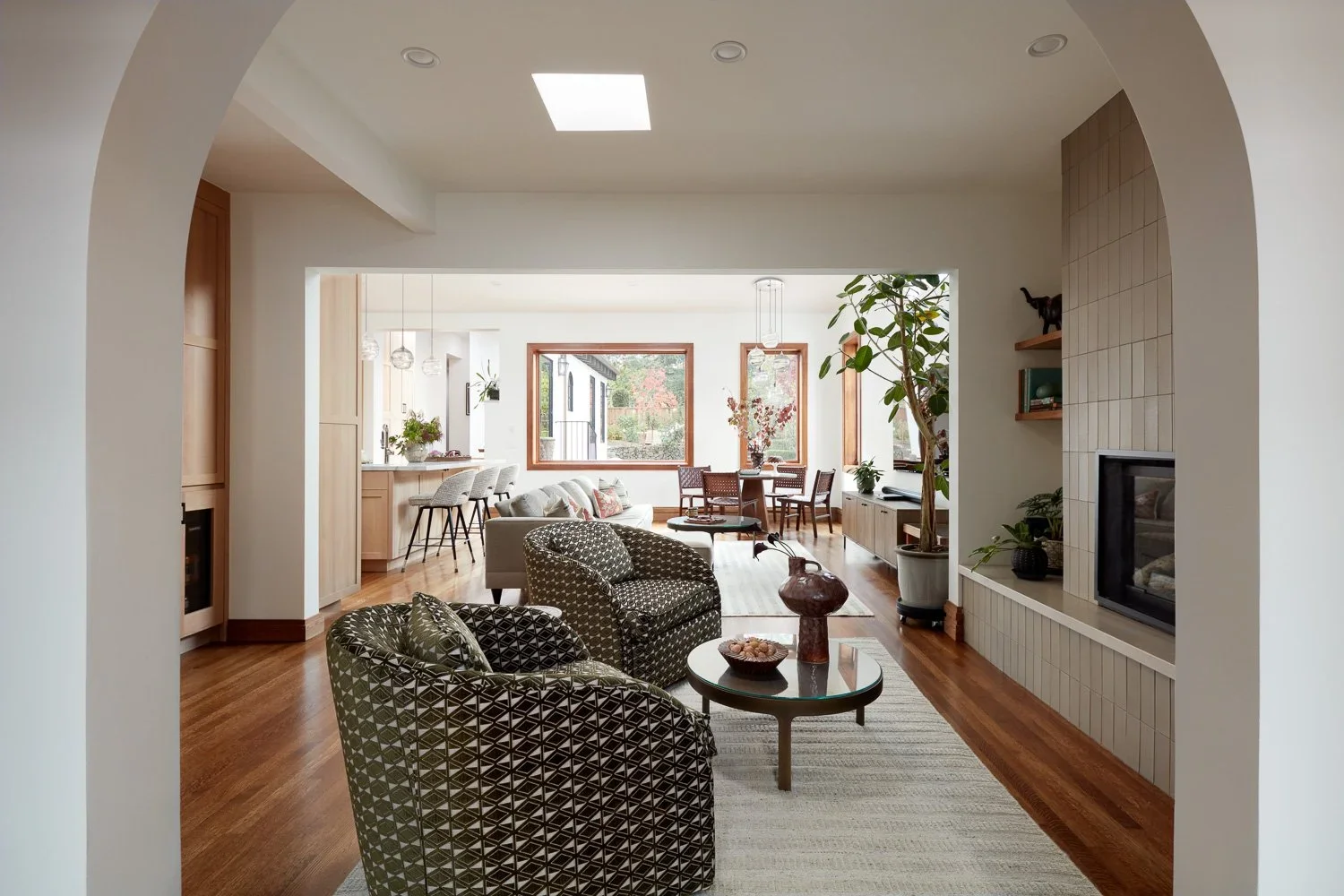
A custom home should not feel like a series of disconnected decisions. Yet many Bay Area homeowners start with an architect, bid plans to several contractors, and spend months translating priorities between separate teams. Precision-built homes take a different approach: design, permitting, pricing, and construction are coordinated from the beginning so the finished home reflects the plan, the budget, and the way your family lives.
For a new build or teardown-and-rebuild, precision is not a marketing label. It is the discipline of making the right decisions early, documenting them clearly, and managing every handoff with accountability.
What Makes a Home Precision-Built?
Precision-built does not simply mean a home has clean lines, premium finishes, or advanced equipment. It means the work behind the walls receives the same level of attention as the visible details.
That begins before construction. The site must be evaluated for grading, utility access, setbacks, zoning restrictions, and the realities of the existing structure if a teardown is involved. The floor plan must account for circulation, storage, natural light, privacy, and furniture placement - not just square footage. Structural, mechanical, electrical, and plumbing decisions need to be coordinated before crews are waiting on site for answers.
A precise process also creates a clearer path through permitting. In Los Gatos and across the Bay Area, local requirements, hillside conditions, fire regulations, and utility coordination can shape both design and schedule. Addressing those constraints upfront helps prevent expensive redesigns after plans are already in review or construction is underway.
Precision Depends on One Accountable Team
The traditional design-bid-build model can work, but it often leaves homeowners managing the gaps. A designer may create plans without current construction pricing. A contractor may identify buildability issues after the design is complete. Permit comments can trigger revisions that affect cost, scope, and timeline.
With an integrated design-build team, those conversations happen earlier and in one place. Design choices are reviewed against construction methods, permitting requirements, lead times, and budget targets as the project develops. Homeowners receive practical guidance instead of competing recommendations from multiple vendors.
That does not mean every decision is made immediately. Custom homes require thoughtful choices, and some selections should wait until the overall design is established. The goal is to lock in the decisions that affect structure, systems, layout, and approvals early enough to protect the schedule while giving you control over the details that make the home yours.
Where Precision Protects Your Investment
A well-managed custom home project is measured by more than whether it passes final inspection. It should deliver useful space, durable construction, and a predictable building experience.
Precision matters most in the areas that are difficult or costly to change later. That includes the orientation of the home on the lot, the relationship between kitchen, living, and outdoor areas, ceiling heights, window placement, insulation strategy, drainage, and the capacity of electrical and HVAC systems. Planning for future needs is equally valuable. A flexible office, ground-floor suite, ADU-ready utilities, or additional storage can make a new home work longer without another major renovation.
It also matters in cost control. No contractor can remove every unknown from construction, particularly on older sites where conditions may be hidden until demolition. But detailed planning, documented selections, and regular project management reduce the number of surprises that become change orders. Clear scope is not a guarantee of a fixed outcome under every condition. It is the strongest foundation for informed decisions when conditions change.
A Faster Process Is Built Before Construction Starts
Homeowners often assume speed comes from rushing crews. In reality, the biggest schedule gains usually come from preventing stoppages. Waiting for permit responses, incomplete plans, late material selections, and unclear field decisions can add weeks to a project.
A precision-focused process sequences the work before the first day on site. It establishes permit milestones, identifies long-lead materials, coordinates trade scopes, and keeps design decisions moving ahead of construction. During the build, consistent communication matters just as much. You should know what has been completed, what is next, and which decisions require your input.
EDR Design Build brings permitting, design coordination, and construction execution under one team so homeowners have a single point of accountability from concept through completion. That structure is especially valuable for complex projects where timing between disciplines affects every phase that follows.
The Right Fit for Your Property and Goals
Precision-built homes are not limited to large estates or highly contemporary architecture. The same approach applies whether you want a family home with better indoor-outdoor living, a teardown-and-rebuild that makes full use of a valuable lot, or a new residence designed around aging in place.
The level of planning should match the complexity of the project. A straightforward build on a flat lot may move through design more quickly than a hillside property with extensive site work. A home with custom steel doors, specialty stone, or high-performance systems may require earlier selections and longer procurement planning. Precision means recognizing those differences before they become delays.
Before committing to a new home project, ask how design decisions will be priced, who will manage permit coordination, how construction questions will be resolved, and how often you will receive updates. The answers reveal whether the process is truly coordinated - and whether your home is being built with the level of care a major investment deserves.
Proudly serving San Jose, Campbell, Los Gatos, Saratoga, Cupertino, Sunnyvale, Santa Clara, Mountain View, Los Altos, Los Altos Hills, Palo Alto, Menlo Park, Stanford, Woodside, Emerald Hills, Atherton, South San Francisco, Redwood City, Foster City, Portola Valley, Belmont, San Mateo, Burlingame, Millbrae, Hillsborough, San Bruno, Daly City, Colma, Brisbane, Pacifica, Milpitas, San Carlos, and surrounding Bay Area communities.
