
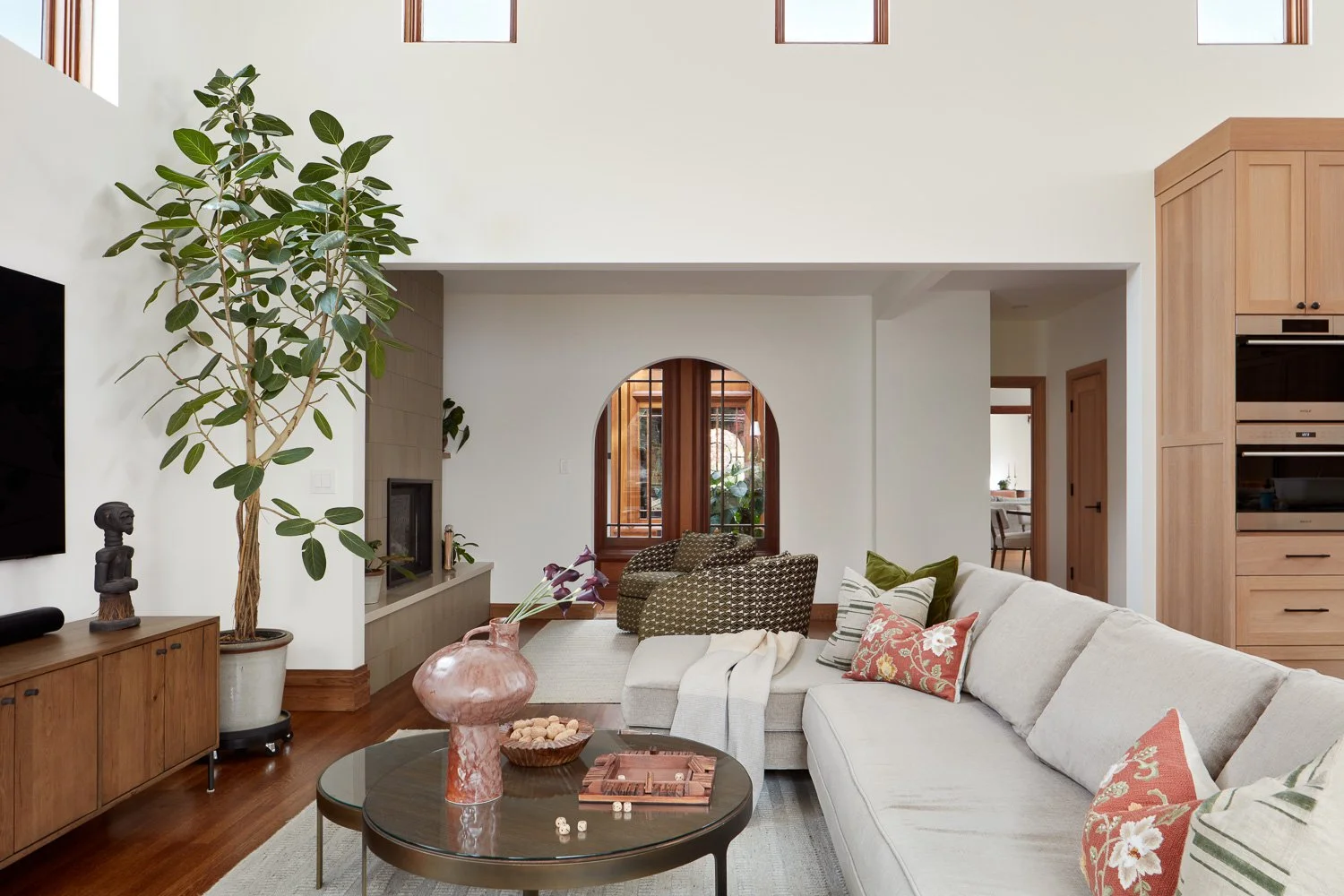
A major remodel can look impressive on the day it is finished and still reveal costly problems months later. Expert craftsmanship is what separates a home that merely photographs well from one that functions beautifully, performs reliably, and holds its value over time.
For Bay Area homeowners planning an addition, ADU, whole-home remodel, or rebuild, craftsmanship is not limited to trim details or a clean paint line. It begins much earlier, with accurate planning, coordinated design, permit-ready documentation, and a construction team that understands how every decision affects the finished home.
What Expert Craftsmanship Looks Like in a Home Project
High-quality work is visible in the details, but its most valuable parts are often behind the walls. Proper framing creates straight lines and sound structure. Thoughtful waterproofing protects bathrooms, roofs, and exterior transitions. Carefully planned mechanical systems keep new spaces comfortable without compromising the home’s layout or future serviceability.
The visible results matter, too. Cabinet reveals should align. Flooring transitions should feel intentional. Tile layouts should account for room dimensions rather than ending in an awkward narrow cut. New materials should meet existing areas cleanly, especially in a room addition or phased remodel where old and new construction must work together.
These details are not accidental. They come from experienced supervision, trade coordination, documented standards, and time spent solving issues before they become expensive rework.
Why Craftsmanship Depends on the Process
Homeowners sometimes treat craftsmanship and project management as separate considerations. In a complex residential project, they are closely connected. A skilled carpenter cannot correct for incomplete drawings, late material selections, conflicting field instructions, or permits that were not properly addressed before construction began.
That is why an integrated design-build process matters. When design coordination, permitting, budgeting, and construction are managed by one accountable team, decisions move faster and information is less likely to get lost between separate architects, estimators, and contractors. The goal is not to rush work. It is to remove avoidable delays that put pressure on quality.
A faster project can still be a carefully built project when the schedule is based on preparation. Confirming scope early, ordering long-lead materials at the right time, and coordinating trades in the proper sequence give crews the conditions they need to do their best work.
Where Quality Matters Most
Every part of a remodel deserves attention, but certain areas carry greater long-term risk. Foundations, structural connections, drainage, flashing, waterproofing, electrical capacity, plumbing, and HVAC integration should never be treated as invisible line items. Errors in these systems can affect safety, comfort, inspections, and resale value.
For additions and ADUs, the connection to the existing home is especially important. Rooflines, siding, drainage planes, utility routing, and floor heights need to be resolved as a complete system. A new structure can be beautifully finished yet still create problems if water management, access, or utility capacity was overlooked.
For a teardown-and-rebuild project, craftsmanship also means respecting the property itself. Site conditions, grading, local code requirements, and neighborhood context influence both the design and the construction plan. The best result is not simply a larger home. It is a home that feels intentional on its site and works for the way your family lives.
How Homeowners Can Evaluate Expert Craftsmanship
Portfolio photos are useful, but they should be the starting point, not the entire evaluation. Ask how the contractor manages permits, design changes, trade scheduling, inspections, and quality control. A professional builder should be able to explain who owns each step and how communication will work once construction is underway.
It also helps to ask about the less visible work. How are waterproofing details reviewed? Who verifies framing before drywall? How are allowances, selections, and change orders tracked? What happens when site conditions differ from the original plan? Clear answers indicate a team with systems, not just good intentions.
Price deserves context as well. The lowest initial proposal may exclude coordination, engineering, finishing details, or project oversight that will be needed later. A detailed scope and transparent process make it easier to compare proposals on the work being delivered, not just the number at the bottom of the page.
Build Quality Into the Plan From Day One
Expert craftsmanship is a commitment made throughout the project, from the first feasibility discussion to the final walkthrough. It requires a design that can be built, a budget that reflects the intended level of finish, and a team that takes responsibility for execution.
At EDR Design Build, the focus is to permit, design, and build under one coordinated team so homeowners can move from concept to completion with greater clarity. When planning and construction are aligned, your investment has a stronger foundation for the details that matter most.
Proudly serving San Jose, Campbell, Los Gatos, Saratoga, Cupertino, Sunnyvale, Santa Clara, Mountain View, Los Altos, Los Altos Hills, Palo Alto, Menlo Park, Stanford, Woodside, Emerald Hills, Atherton, South San Francisco, Redwood City, Foster City, Portola Valley, Belmont, San Mateo, Burlingame, Millbrae, Hillsborough, San Bruno, Daly City, Colma, Brisbane, Pacifica, Milpitas, San Carlos, and surrounding Bay Area communities.
