
Does Design Build Save Money for Bay Area Homes?
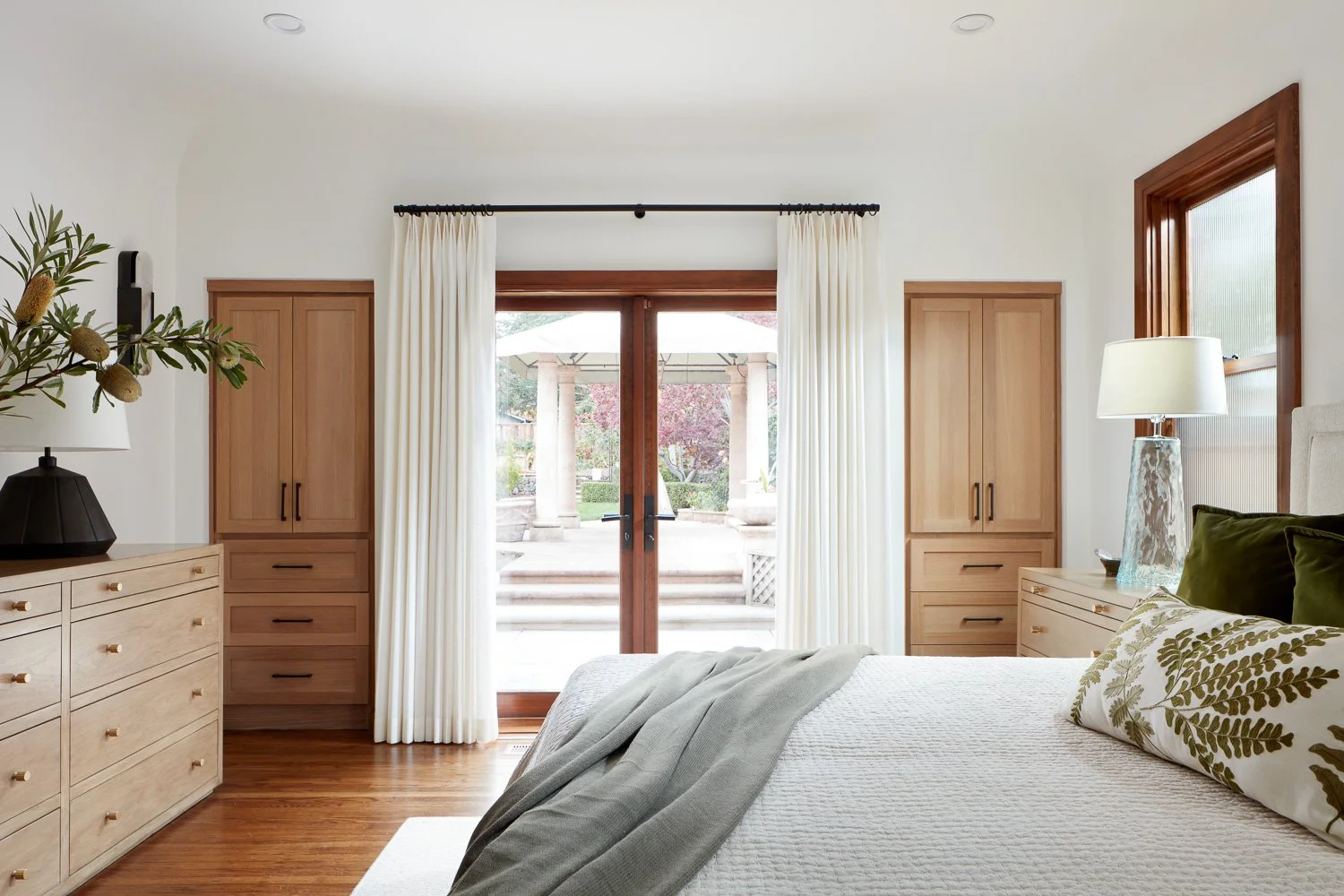
A room addition that sits unfinished while drawings are revised, permits are clarified, and subcontractors wait is expensive in more ways than one. You may be paying a temporary housing cost, postponing a move, or simply living around a construction zone longer than planned. For homeowners planning a substantial project, the real question is not just, “does design build save money?” It is whether one integrated team can protect the budget from the avoidable costs that appear between an idea and a finished home.
The answer is often yes, but not because design-build is automatically the lowest initial price. A well-run design-build process can save money by reducing redesigns, schedule gaps, scope confusion, and costly decisions made after construction has started. For a custom home, ADU, major remodel, or teardown-and-rebuild in the Bay Area, those savings can be meaningful.
Does Design Build Save Money? It Depends on the Project
Design-build combines design coordination, permitting, preconstruction, and construction management under one accountable team. In a traditional design-bid-build process, a homeowner typically hires an architect or designer first, then obtains contractor bids after plans are complete. That structure can work well for a straightforward project with a fully defined scope.
It becomes less efficient when the project has complex site conditions, zoning considerations, structural changes, or evolving family needs. A Bay Area home addition may involve setbacks, utility upgrades, hillside conditions, fire requirements, historic considerations, or an older home with surprises behind the walls. Each issue can force separate parties to revisit decisions, revise documents, and negotiate added costs.
With design-build, the construction perspective enters earlier. The team can evaluate whether a design choice is practical to build, how it affects permitting, and what it may do to the overall investment before that choice is locked into the plans. That does not eliminate every change or unforeseen condition. It does reduce the chance that major issues are discovered only after bids are submitted or work has begun.
Where an Integrated Process Can Reduce Costs
The largest savings are rarely found in one dramatic line item. They come from managing dozens of small and medium decisions before they turn into expensive problems.
Fewer design changes during construction
Changes made on paper are generally less expensive than changes made in the field. Moving a window, revising a kitchen layout, changing roof lines, or relocating plumbing after framing has started can affect labor, materials, inspections, and the schedule. The cost is not limited to the new work. It may include demolition, reordering materials, and rescheduling trades.
An integrated team reviews design choices through the lens of construction sequencing and cost. That does not mean sacrificing the design. It means identifying smarter ways to achieve the same outcome, whether that is a better structural approach, a more efficient footprint, or material selections that fit the schedule and budget.
More reliable budgeting before work begins
A low initial estimate can be misleading if it is based on incomplete information or broad allowances. Homeowners may feel they are saving money at the start, only to encounter change orders as selections, engineering, site work, and permit comments become clearer.
Design-build allows the people responsible for building the project to participate in budget development. The result should be a more grounded view of the project scope, including the details that often get missed in early estimates. Clear allowances are still necessary for items such as tile, lighting, appliances, and fixtures, but they should be discussed openly rather than used to make a proposal appear artificially low.
Less time lost between vendors
Time is a cost center in residential construction. A delay can extend general conditions, site protection, equipment rentals, supervision, financing costs, and the inconvenience of being displaced from your home. It can also expose the project to material price changes or trade availability issues.
When design, permitting, and construction are coordinated by one team, handoffs are reduced. Questions can be answered faster because the designer, estimator, project manager, and field team are working from the same project plan. This is especially valuable when permit reviewers request revisions or when existing conditions require an adjustment.
EDR Design Build is structured around that single-team model: we permit, design, and build, with project management guiding the work from early planning through completion. The goal is not simply faster construction. It is fewer gaps where progress can stall.
Better coordination with permitting and site conditions
Permitting is not a formality in many Bay Area communities. A project may need architectural review, planning approvals, engineering, energy compliance, and detailed responses to agency comments. If a design is created without enough attention to local requirements or construction realities, revisions can add weeks or months.
Early coordination does not guarantee a permit approval date, since agency review timelines are outside any contractor’s direct control. It does help the project enter review with a more complete, coordinated package. That reduces the likelihood of avoidable corrections and helps the team respond with a clear plan when comments do arrive.
The Cost Advantage Is Not Always an Upfront Discount
Homeowners should be cautious of any claim that design-build is always cheaper. A custom design-build firm may not present the lowest number when compared with a contractor who is pricing a limited set of plans, excluding items, or relying on broad allowances.
The better comparison is total project cost and total project experience. Ask what is included, what remains uncertain, and who owns coordination when something changes. A lower bid can become more expensive if it leads to repeated change orders, schedule extensions, or compromises made because critical decisions were deferred.
Design-build also may not be the best fit for every homeowner. If you already have fully engineered, permit-ready plans and want to collect several construction-only bids, a traditional approach may be appropriate. It can also make sense when the scope is narrow and the details are well established.
For larger projects, however, the cost of fragmentation rises quickly. A whole-home remodel with structural work, an ADU, a second-story addition, or a new custom home requires hundreds of connected decisions. Managing those decisions across separate firms can work, but it places more coordination responsibility on the homeowner or creates more opportunities for information to get lost between teams.
How to Evaluate the Financial Value of Design-Build
Before choosing a project delivery method, look beyond the headline price. A productive early conversation should address your target investment range, desired timeline, project priorities, and tolerance for uncertainty. If the budget is fixed, the team should explain how scope, size, finishes, and complexity affect what is achievable.
Ask how the contractor handles preconstruction, design revisions, permitting, selection allowances, and change orders. You should understand when pricing becomes more detailed, how decisions are documented, and who will communicate with you throughout the work. A clear process is not just a convenience. It is a financial control.
It is also worth discussing schedule in practical terms. Faster is valuable only when quality, inspections, and craftsmanship are protected. The right team should explain its sequencing, procurement strategy, and project management approach rather than offering an unrealistic completion date.
Spend Intentionally, Not Just Less
The best home projects are not defined by the lowest number on a proposal. They are defined by a result that supports how you live, adds long-term value, and is delivered with fewer expensive surprises along the way.
Design-build can save money when it creates earlier clarity, stronger accountability, and faster resolution of the decisions that typically derail a project. For a major Bay Area home investment, that is often the difference between simply controlling costs and making every dollar work harder.
Proudly serving San Jose, Campbell, Los Gatos, Saratoga, Cupertino, Sunnyvale, Santa Clara, Mountain View, Los Altos, Los Altos Hills, Palo Alto, Menlo Park, Stanford, Woodside, Emerald Hills, Atherton, South San Francisco, Redwood City, Foster City, Portola Valley, Belmont, San Mateo, Burlingame, Millbrae, Hillsborough, San Bruno, Daly City, Colma, Brisbane, Pacifica, Milpitas, San Carlos, and surrounding Bay Area communities.
