
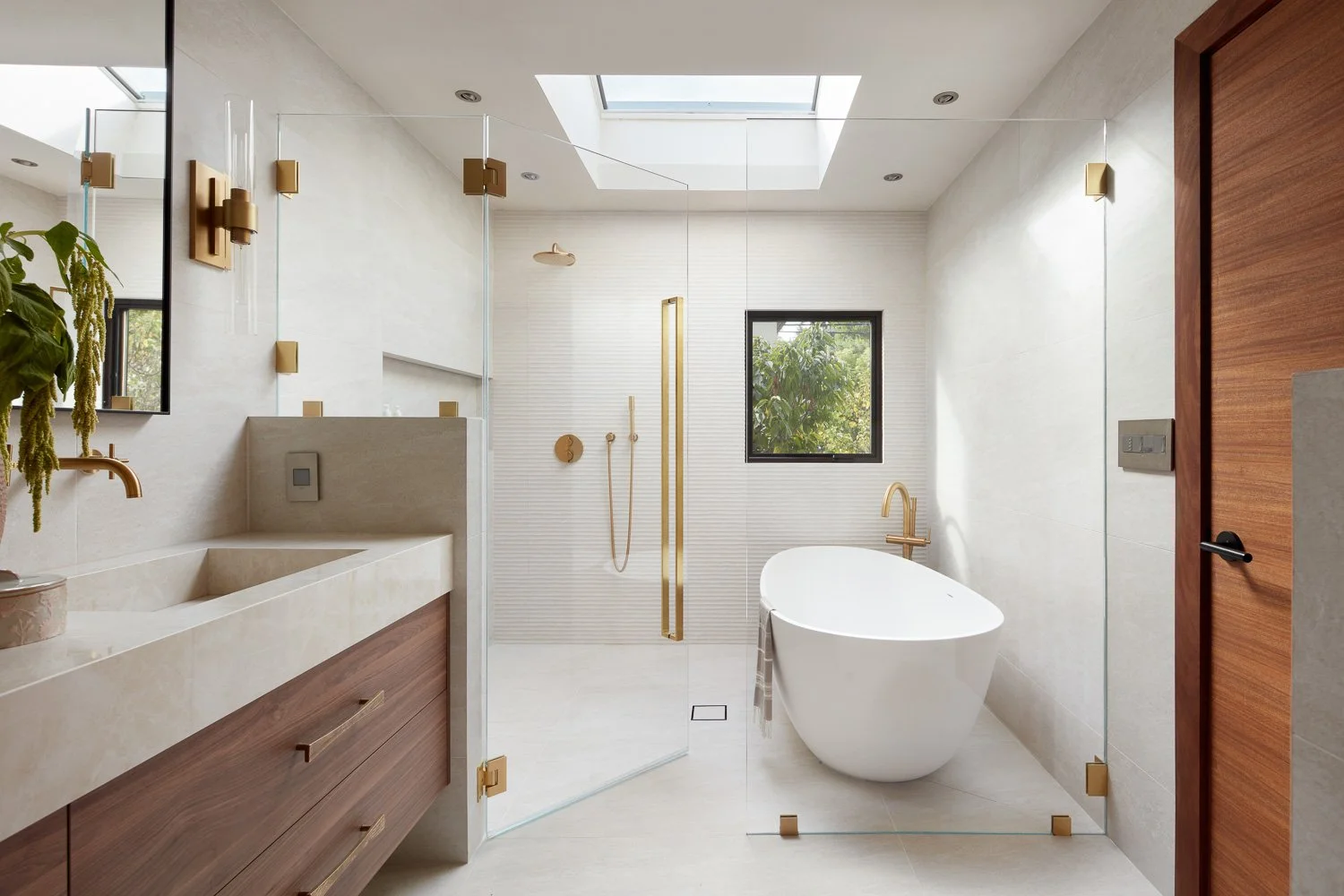
A larger home, a better layout, a new ADU, or a full rebuild can all look good on paper. The real difference shows up when construction starts. Expert craftsmanship is what turns plans into spaces that feel solid, function well, and hold up over time.
For homeowners investing in major residential work, craftsmanship is not just about attractive finishes. It shows up in framing that sets every wall straight, in transitions that feel clean and intentional, and in details that prevent problems years later. If you are planning a room addition, custom home, or full remodel, it is worth knowing what expert craftsmanship actually means and how to spot it.
What expert craftsmanship means in residential construction
Expert craftsmanship is the combination of technical skill, experience, and discipline applied throughout a project, not just at the finish line. Many homeowners think of craftsmanship as trim work, tile, cabinetry, or paint. Those details matter, but real quality starts much earlier.
It begins with layout accuracy, structural execution, moisture management, material selection, and code-compliant installation. A beautiful kitchen loses value quickly if the floor is uneven, the cabinets are installed out of square, or the lighting plan was poorly coordinated. In the same way, a room addition should not simply add square footage. It should feel like it was always part of the house.
That is where experienced project leadership matters. Craftsmanship is stronger when design, permitting, and construction are aligned from the beginning, because fewer details get lost between separate teams.
Where expert craftsmanship shows up first
Homeowners usually notice craftsmanship in the visible details, but the most important work is often hidden behind the walls. Foundation prep, framing, waterproofing, insulation, mechanical coordination, and window installation all have a direct effect on comfort and durability.
When those systems are handled well, the finished home feels better in everyday use. Doors close properly. Floors feel level. Corners are crisp. Light lands where it should. Water moves away from vulnerable areas. The home performs as well as it looks.
In higher-value Bay Area projects, this matters even more. Many homes involve complex site conditions, strict permitting, aging structures, or additions that need to blend with existing architecture. That requires more than basic trade labor. It requires people who understand how each phase affects the next.
Good design is not enough without execution
A strong design can raise the ceiling on what a project becomes, but execution decides whether that vision survives construction. This is one of the biggest gaps homeowners run into with the traditional design-bid-build model. Plans may be well developed, yet quality suffers when builders, designers, and consultants are not working from the same playbook.
That disconnect often leads to rework, delays, missed details, and inconsistent results. On paper, every contractor may promise quality. In practice, expert craftsmanship depends on systems that protect quality while the job is moving.
This is why process and craftsmanship should never be treated as opposites. A disciplined process supports better workmanship because it reduces confusion, improves coordination, and gives crews the information they need at the right time.
Craftsmanship and speed are not mutually exclusive
Some homeowners assume faster delivery means corners get cut. That can happen when speed is driven by pressure alone. But a well-managed project can move faster and produce better results when the workflow is organized correctly.
Clear scopes, early selections, accurate scheduling, permit coordination, and active site supervision reduce the idle time and handoff issues that often damage quality. When one team is responsible from concept through construction, there is more accountability and fewer opportunities for misalignment.
That is especially important in major projects like teardown-and-rebuilds, full-home remodels, and ADUs, where dozens of decisions affect budget, schedule, and finish quality at once. Companies like EDR Design Build are built around this idea: expert craftsmanship works best when it is paired with an integrated system that keeps the project moving without losing control of the details.
How homeowners can evaluate craftsmanship before they sign
The best time to evaluate craftsmanship is before construction begins. Look beyond marketing photos and ask how quality is managed across the entire project. A builder should be able to explain how they coordinate design, permitting, material decisions, trade sequencing, and on-site oversight.
It also helps to look at consistency. One impressive photo does not prove much. A strong builder produces repeatable results across different project types and conditions. Ask how they handle transitions between old and new construction, how they prevent delays caused by missing information, and who is accountable when field conditions change.
You should also pay attention to how they communicate. Builders who are clear, organized, and direct before the contract are more likely to run a disciplined jobsite after it starts.
Why this matters for long-term value
Expert craftsmanship protects more than appearance. It supports resale value, daily comfort, energy performance, and the lifespan of the home itself. Poor workmanship tends to reveal itself slowly through cracks, uneven wear, moisture issues, and ongoing maintenance problems. By then, repairs are expensive and disruptive.
Well-executed construction does the opposite. It gives homeowners confidence that their investment was built to perform, not just to pass inspection or photograph well on completion day.
If you are making a major investment in your home, the right question is not just whether a builder can complete the project. It is whether they can deliver expert craftsmanship through a process that keeps quality, communication, and execution under control from start to finish.
Proudly serving San Jose, Campbell, Los Gatos, Saratoga, Cupertino, Sunnyvale, Santa Clara, Mountain View, Los Altos, Los Altos Hills, Palo Alto, Menlo Park, Stanford, Woodside, Emerald Hills, Atherton, South San Francisco, Redwood City, Foster City, Portola Valley, Belmont, San Mateo, Burlingame, Millbrae, Hillsborough, San Bruno, Daly City, Colma, Brisbane, Pacifica, Milpitas, San Carlos, and surrounding Bay Area communities.
