
What a High-End Remodel Should Deliver Homeowners
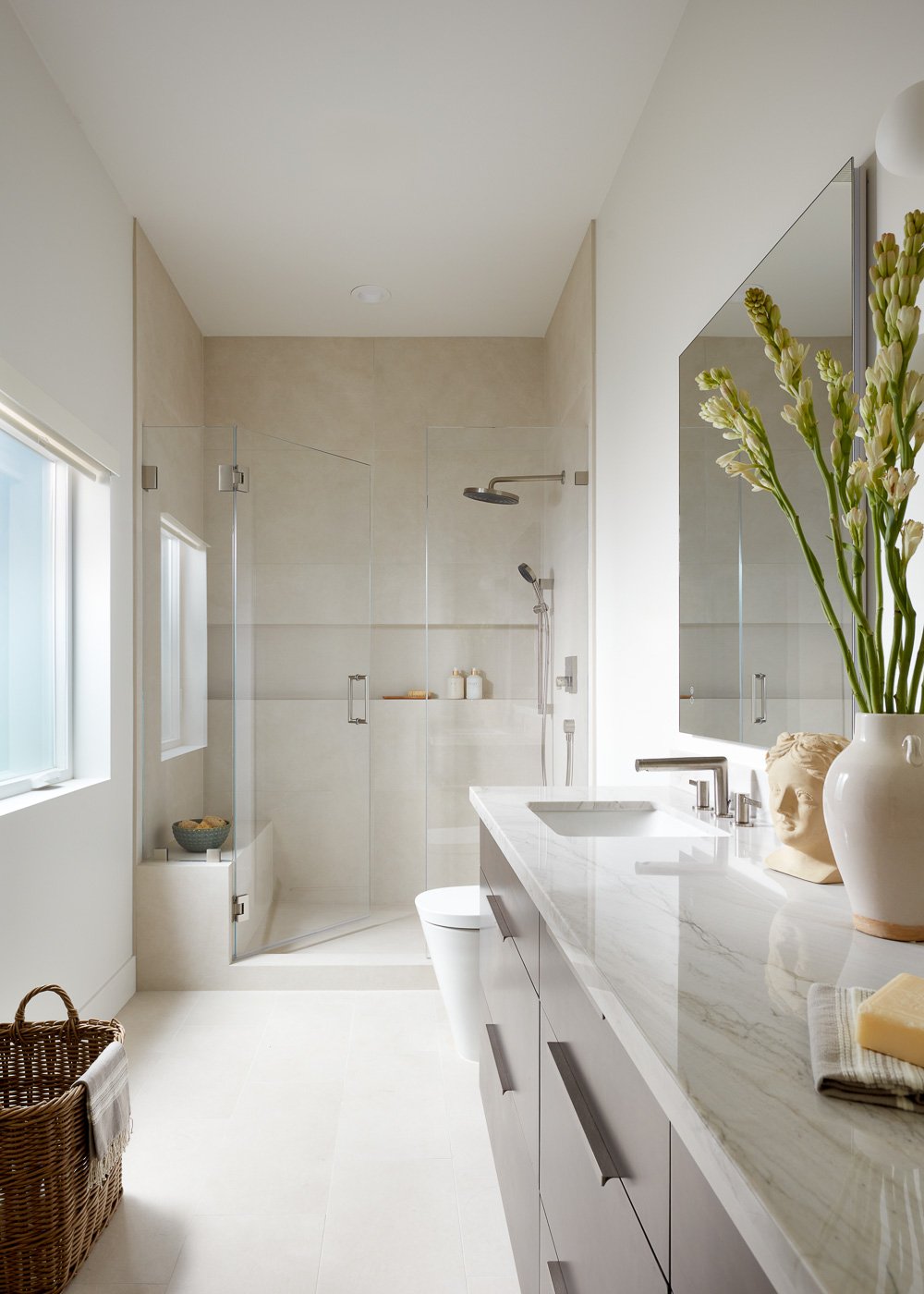
A high-end remodel is not defined by a premium appliance package or a dramatic stone slab. It is defined by how the home performs when real life is happening: busy mornings, family dinners, remote work, guests, storage demands, and the changing needs of the years ahead. For Bay Area homeowners, the goal is a home that feels custom because every major decision supports the way they live.
That requires more than good finishes. It requires a coordinated plan, realistic budgeting, permitting expertise, and construction leadership that keeps design intent intact from the first conversation through final completion.
Start With the Problems Worth Solving
The most successful remodels begin with a clear reason for the work. An outdated kitchen may really be a circulation problem. A cramped primary suite may point to a larger issue with the home’s layout. A family that wants more space may not need to move if an addition, ADU, or reconfigured floor plan can create the right square footage.
Before selecting materials, define what the home must do better. That may mean creating a kitchen with room for two people to cook, opening the connection between indoor and outdoor living, adding a private work area, or improving how light moves through the house. These decisions shape the scope, budget, and permitting path far more than finish selections do.
A strong design-build team helps homeowners separate must-haves from preferences early. That does not mean reducing ambition. It means investing in the changes that will have the greatest daily value and avoiding expensive work that does not improve the home’s function.
A High-End Remodel Needs a Buildable Design
Beautiful plans are only valuable when they can be permitted, priced, and built with confidence. In Los Gatos and throughout the Bay Area, that can involve local zoning rules, setbacks, hillside conditions, utility coordination, energy requirements, and architectural review. These realities should inform the design from the beginning, not become late-stage surprises.
This is where an integrated process matters. When design, permitting, and construction are managed by separate parties, homeowners can end up relaying information between architects, engineers, estimators, and contractors. Gaps in communication often become change orders, delays, or compromises after construction has already started.
With one accountable team, the project can move forward with construction input built into the design process. Structural requirements, long-lead materials, site access, and budget implications are considered before they affect the schedule. The result is not simply a faster project. It is a more controlled project with fewer decisions made under pressure.
Invest in What You Touch Every Day
High-end does not mean choosing the most expensive option in every category. It means selecting materials and details that earn their place in the home. Durable flooring, well-designed cabinetry, quality windows, thoughtful lighting, and reliable plumbing fixtures tend to have a lasting impact because they are used constantly.
Custom millwork can turn underused walls into purposeful storage. Layered lighting can make a kitchen practical for meal prep and comfortable for entertaining. Better insulation, efficient mechanical systems, and high-performance windows can improve comfort long after the remodel is complete.
There are trade-offs. A specialty finish may be worth it in a focal area but unnecessary in a secondary room. Custom cabinets can deliver a precise fit and better organization, while a more standardized solution may make sense where design demands are lower. The right choices depend on the home, the family, and the long-term plan for the property.
Protect the Budget With Early Clarity
A major remodel has many moving parts, and no responsible contractor should promise that every unknown can disappear before walls are opened. Older homes may reveal concealed conditions, and code requirements can affect existing construction. The objective is to identify foreseeable risks early, carry an appropriate contingency, and communicate quickly when a decision is needed.
Clear scope documentation is essential. Homeowners should understand what is included, what has been selected, which allowances remain, and how changes will be handled. This creates a better working relationship because expectations are established before construction begins.
Schedule discipline matters just as much. Ordering key materials at the right time, coordinating inspections, confirming selections before installation, and maintaining active field supervision all protect momentum. A well-run project does not rely on hope. It relies on systems and consistent project management.
Choose One Team to Lead the Entire Process
For a whole-home transformation, an addition, or a teardown-and-rebuild plan, the contractor is not just executing a set of drawings. They are leading a significant investment in your property and daily life. Look for a team that can explain the process clearly, provide direct accountability, and manage the path from concept through construction.
EDR Design Build permits, designs, and builds under one coordinated team, helping homeowners reduce the handoffs that commonly slow down complex residential work. That structure gives the project a single point of responsibility while keeping design quality, budget, and construction planning aligned.
The right high-end remodel should make your home feel more useful, more personal, and more prepared for what comes next. Start with the life you want to live there, then choose a team equipped to build it with clarity and care.
Proudly serving San Jose, Campbell, Los Gatos, Saratoga, Cupertino, Sunnyvale, Santa Clara, Mountain View, Los Altos, Los Altos Hills, Palo Alto, Menlo Park, Stanford, Woodside, Emerald Hills, Atherton, South San Francisco, Redwood City, Foster City, Portola Valley, Belmont, San Mateo, Burlingame, Millbrae, Hillsborough, San Bruno, Daly City, Colma, Brisbane, Pacifica, Milpitas, San Carlos, and surrounding Bay Area communities.
