Second-Story Addition: Cost, Permits, and Building Tips
A second-story addition is one of the most effective ways to expand your home without sacrificing yard space. Whether you’re adding bedrooms, a primary suite, or a home office, building a second story can significantly increase square footage, functionality, and long-term property value.
However, a second-story home expansion requires careful planning, realistic budgeting, and a clear understanding of permits and construction challenges. Below is a practical guide to help you plan your project with confidence.
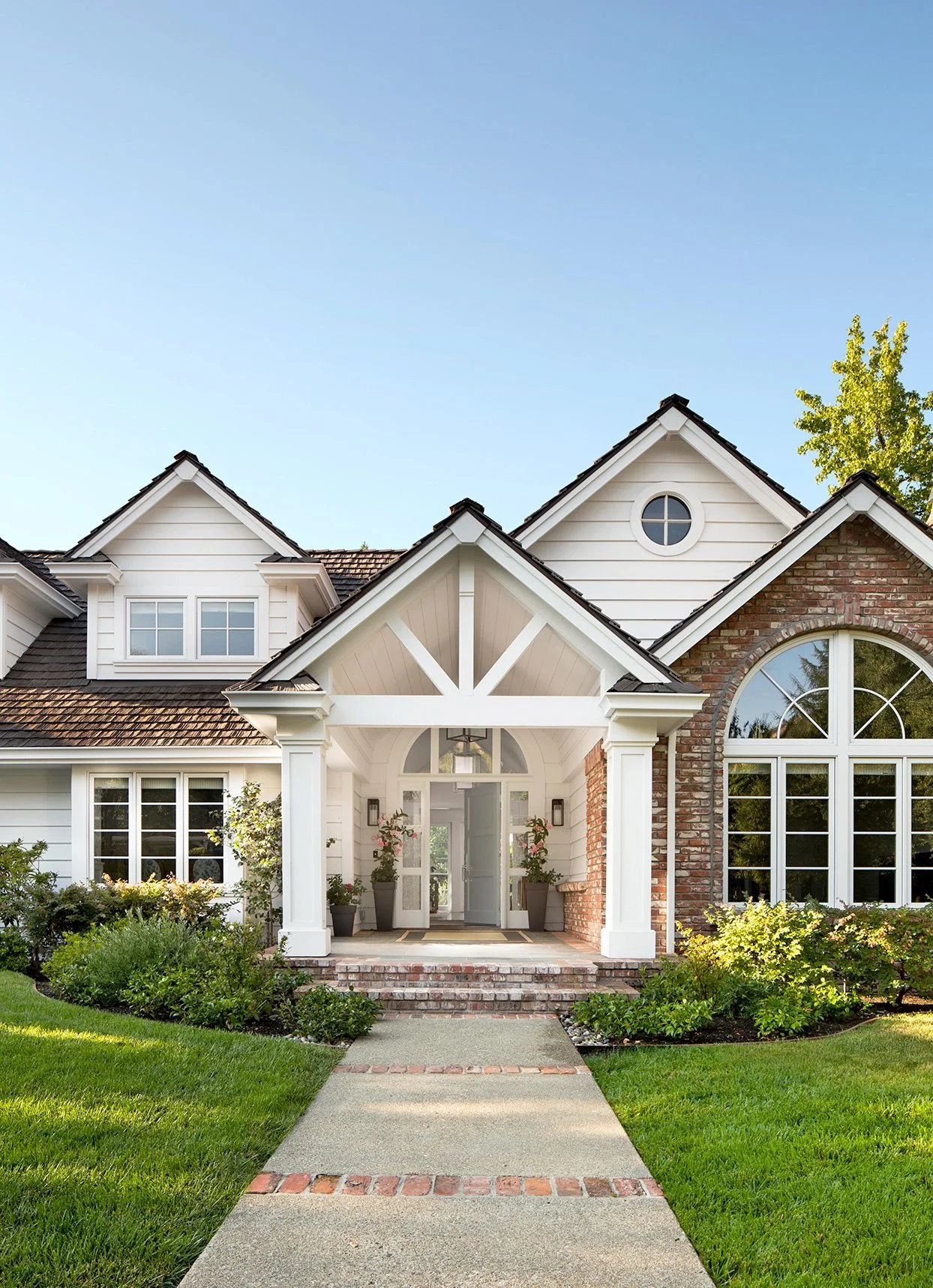
Traditional home with a second-story addition featuring gabled rooflines, updated siding, new upper-level windows, and cohesive exterior detailing designed to blend with the original architecture.
How Much Does a Second-Story Addition Cost?
The addition cost for a second-story project varies based on size, structure, finishes, and site conditions. Because this type of residential addition involves major structural work, it is typically more complex—and more expensive—than a ground-floor addition.
Cost factors include:
Size and layout of the new level
Structural reinforcement of the existing home
Foundation capacity and seismic requirements
Relocation or upgrade of plumbing, electrical, and HVAC
Interior finishes and fixture selections
While costs vary widely, second-story additions are a major investment and should be planned with both short-term budget and long-term value in mind.
Structural Considerations When Building a Second Story
Before building a second story, the existing structure must be evaluated to ensure it can support the added load. This often includes:
Structural engineering analysis
Foundation reinforcement or upgrades
Shear walls and seismic retrofitting
Roof removal and temporary weather protection
Skipping proper structural planning can lead to delays, unexpected costs, or safety issues—making this step critical to a successful home expansion.
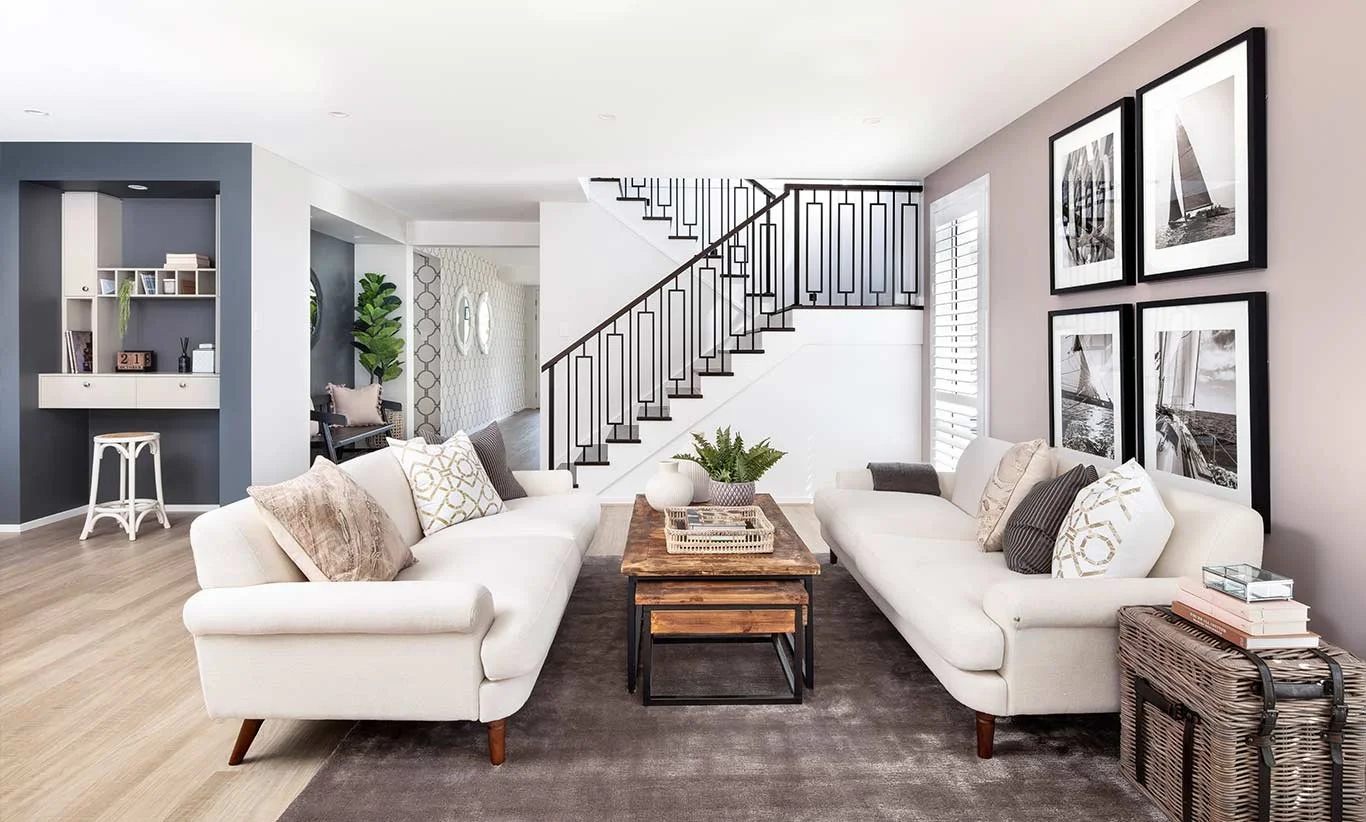
Living room interior showcasing a second-story addition with a central staircase, open floor plan, neutral finishes, and improved vertical circulation between levels.
Permits Required for a Second-Story Addition
A second-story residential addition always requires permits. Because you are modifying structure, height, and sometimes setbacks, local review is extensive.
Most cities require:
Building permits
Structural and engineering calculations
Planning or zoning approval
Energy compliance documentation
Fire and life-safety review
Permit timelines vary by city, so understanding local requirements early helps keep your project on schedule.
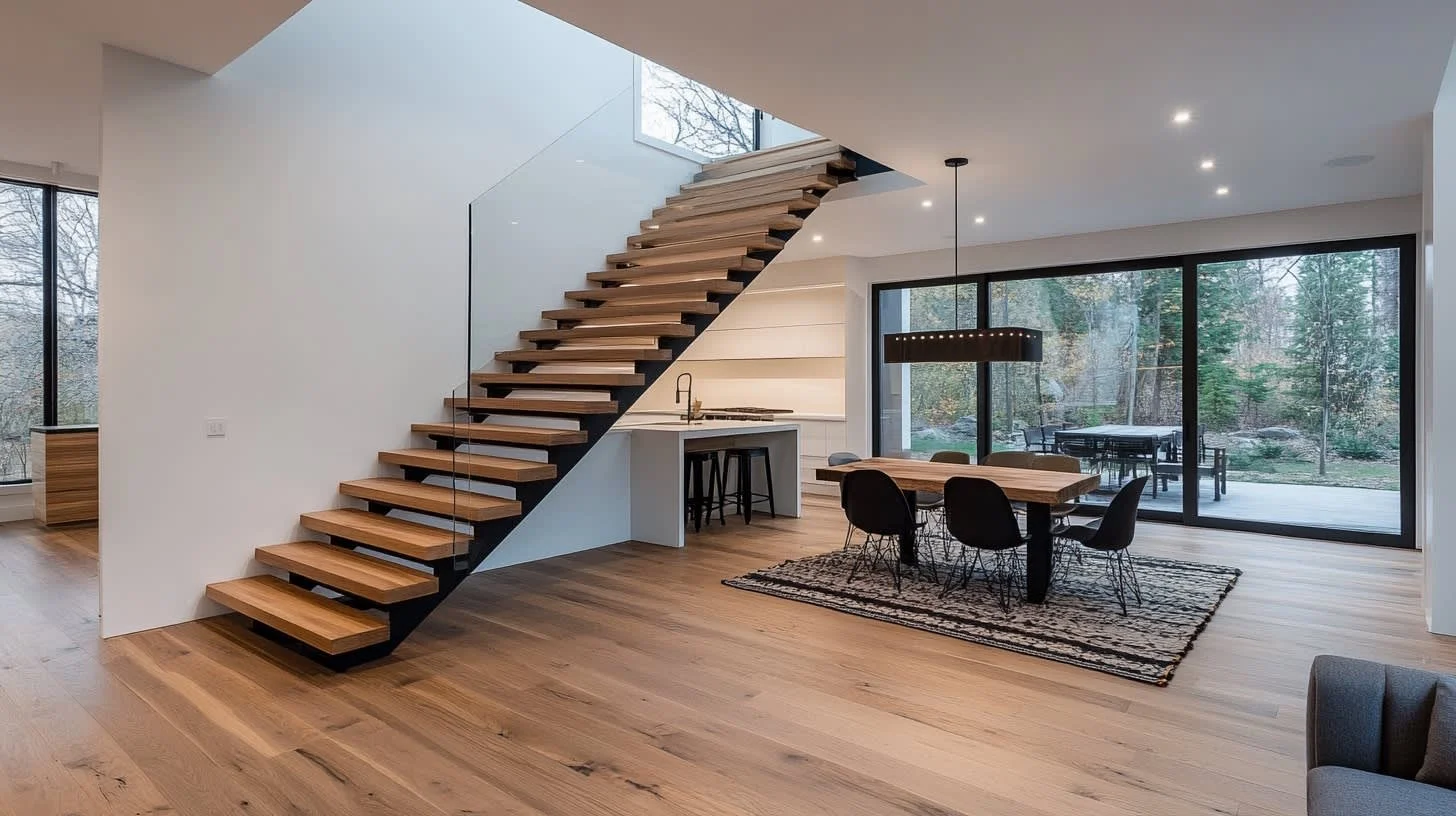
Modern home interior with a second-story addition featuring a floating wood staircase, open dining area, large sliding glass doors, and seamless indoor-outdoor flow.
What to Expect During Construction
A second-story addition is a major construction project. Homeowners should be prepared for:
Temporary roof removal
Construction noise and dust
Limited access to parts of the home
Temporary relocation in some cases
Clear communication, realistic timelines, and a well-organized construction plan are essential construction tips for minimizing disruption.
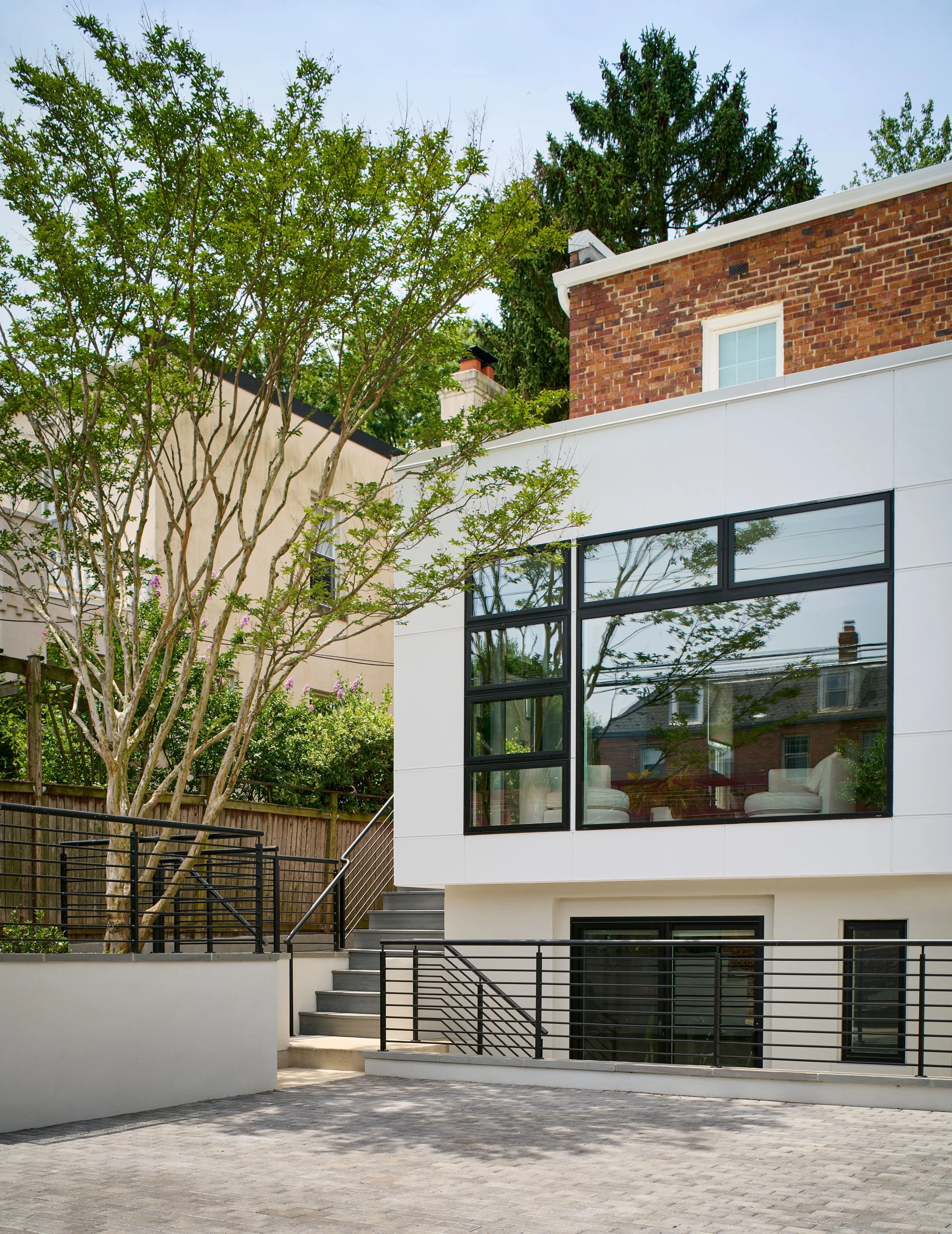
Rear exterior of a home with a second-story addition highlighting new upper-level windows, modern exterior finishes, and structural integration with the existing first floor.
Design Tips for a Successful Second-Story Addition
When planning your second story, consider:
Staircase location and flow
Ceiling heights and natural light
Matching exterior architecture
Efficient plumbing and mechanical layouts
Future flexibility for changing needs
A well-designed home expansion should feel intentional—not like an afterthought.
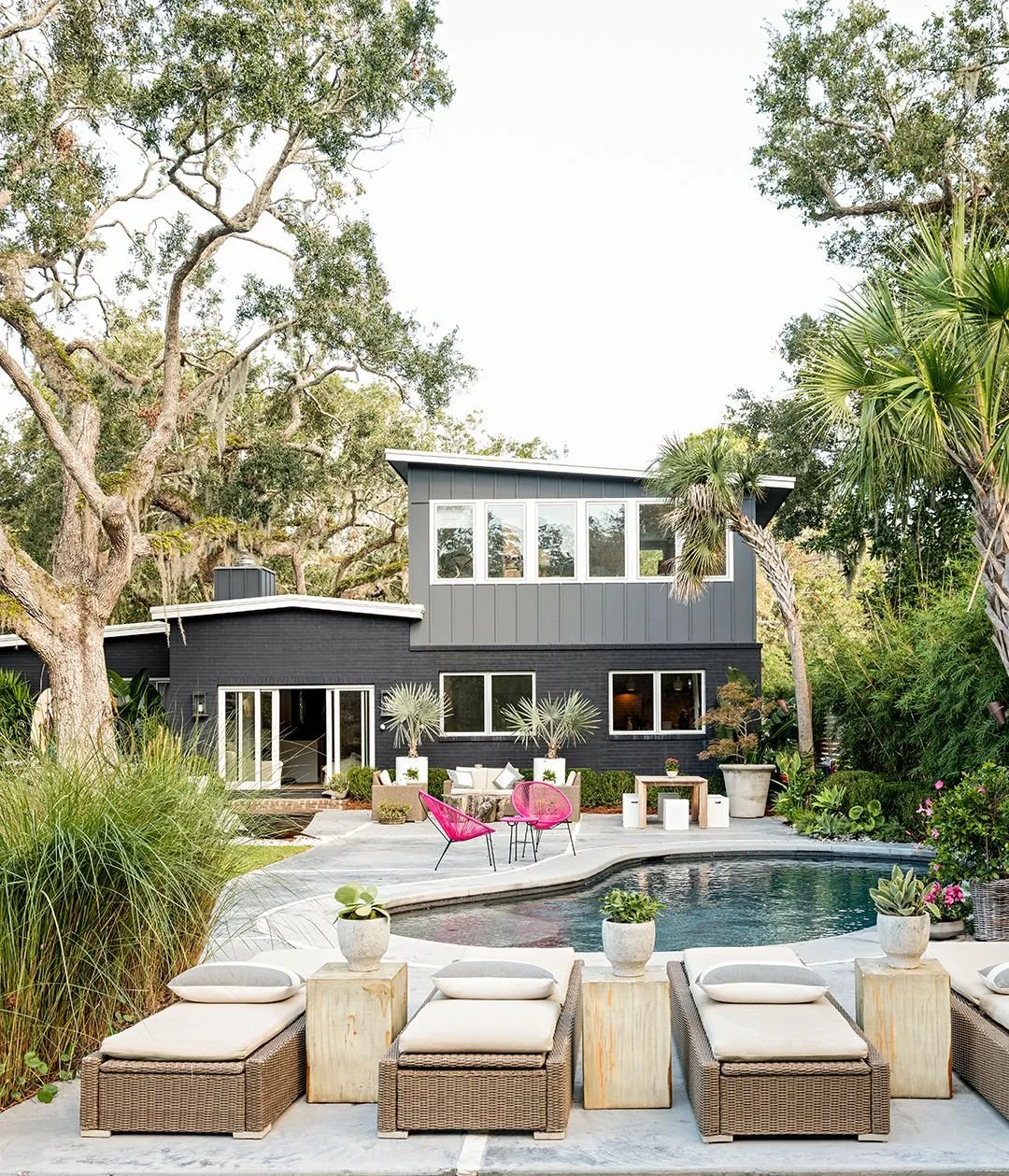
Completed second-story home addition overlooking a landscaped backyard with patio and pool, demonstrating how adding a second level maximizes living space without expanding the home’s footprint.
Exterior & Curb Appeal Considerations
Blending the new level with your existing home is critical. Exterior finishes, rooflines, windows, and proportions should align with the original structure to maintain curb appeal and neighborhood compatibility.
Ready to Plan Your Second-Story Addition?
If you’re considering a second-story addition or exploring options for a full home expansion, the next step is a site visit and a clear plan tailored to your property.
EDR Design Build offers a streamlined design-build process, clear communication, and quality craftsmanship to guide your residential addition from concept through construction.
Click the button below to get started, or call 650-888-2107 to schedule your consultation.
Serving San Jose, Campbell, Los Gatos, Saratoga, Cupertino, Sunnyvale, Santa Clara, Mountain View, Los Altos, Los Altos Hills, Palo Alto, Menlo Park, Stanford, Woodside, Emerald Hills, Atherton, South San Francisco, Redwood City, Foster City, Portola Valley, Belmont, San Mateo, Burlingame, Millbrae, Hillsborough, San Bruno, Daly City, Colma, Brisbane, Pacifica, Milpitas, San Carlos, and Bay Area communities.