
Redwood City Construction Done Right
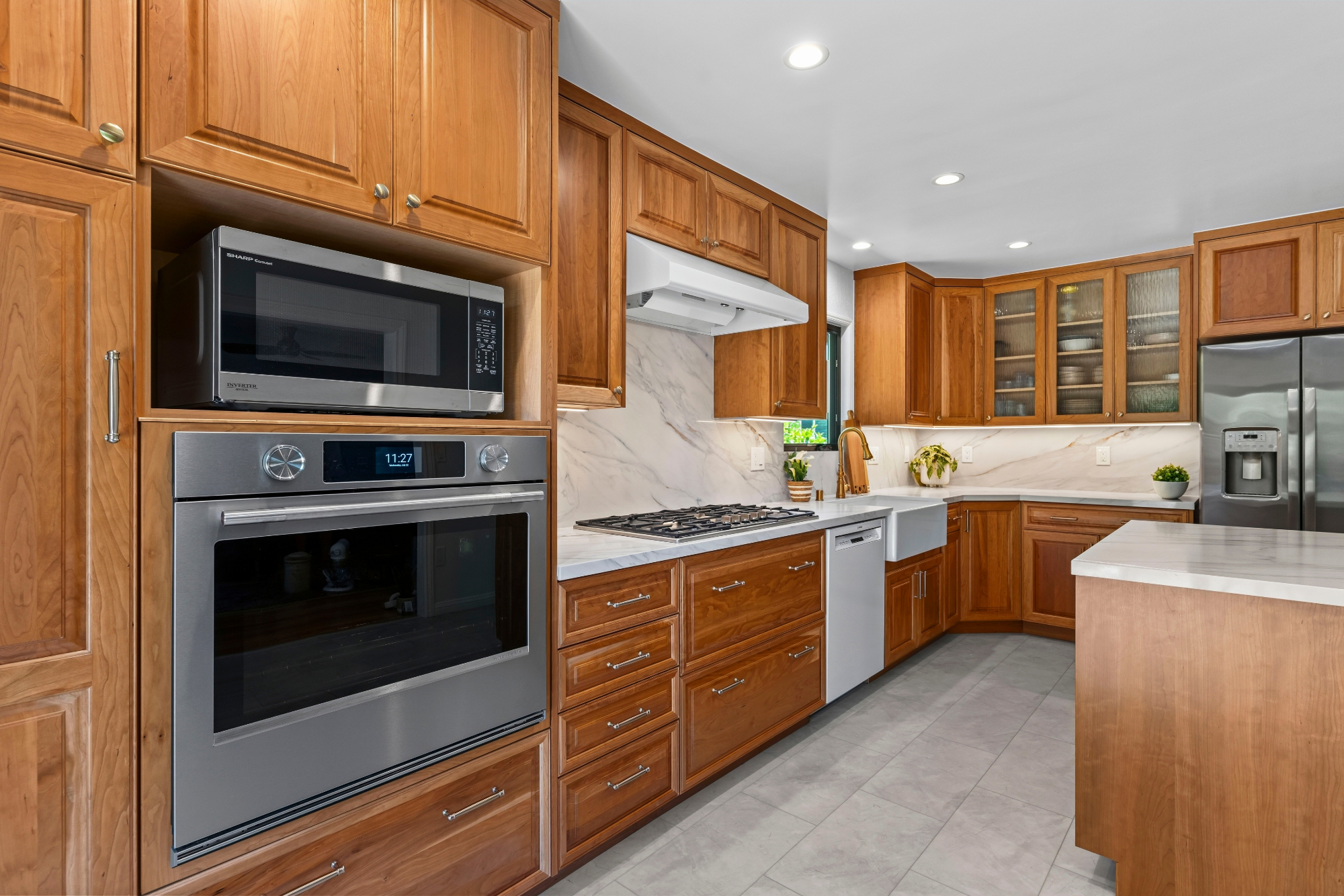
If you are planning a major home project, Redwood City construction is not just about choosing finishes and hiring a crew. It is about navigating zoning, permitting, design decisions, scheduling, and budget control without losing months to handoffs between separate firms. For homeowners building an ADU, expanding a floor plan, remodeling an older house, or starting fresh with a teardown and rebuild, the biggest risk is usually not the construction itself. It is fragmentation.
In Redwood City, residential projects often come with real complexity. Lot constraints, neighborhood context, planning review, utility coordination, and California code requirements can all affect timeline and cost. That is why the structure of your team matters as much as the scope of your project.
Why Redwood City construction gets delayed
Most delays start long before framing or finishes. They begin when design, permitting, and construction are treated as separate phases managed by separate parties. An architect may produce plans that need revisions for budget. A contractor may not be involved early enough to flag buildability issues. Permit comments can trigger redesign, and every transition adds time.
That traditional model can work on some projects, but for homeowners trying to make confident decisions and keep momentum, it often creates unnecessary friction. You spend more time coordinating people, clarifying responsibility, and waiting for the next handoff.
A better approach is to work with one team that can permit, design, and build under a single process. That creates faster feedback, clearer pricing direction, and fewer surprises once work begins.
What homeowners in Redwood City are usually trying to solve
The project type may vary, but the underlying goal is usually the same. Homeowners want more usable space, better function, and a property that fits the way they live now.
For some, that means a room addition to create a larger kitchen, family room, or primary suite. For others, it means a detached or attached ADU for rental income, extended family, or flexible work-from-home space. In older homes, a full remodel may be the right move when the layout no longer supports modern living. And when an existing structure limits what is possible, a teardown and rebuild can offer a cleaner path to a fully customized home.
Each option has trade-offs. An addition may preserve more of the existing house but still require structural upgrades. A whole-home remodel can transform how a property functions, but hidden conditions in older homes may affect cost. A rebuild offers the most design freedom, yet it requires early planning and disciplined execution to stay efficient.
Redwood City construction works best with one accountable team
When one company owns the process from concept through construction, decisions happen faster and accountability stays clear. You are not left sorting out whether a delay came from design, permitting, or field execution. One team is responsible for all three.
That matters in practical ways. Preconstruction budgeting can shape design before plans go too far. Permit strategy can be considered while layouts are still flexible. Material selections can be timed around the construction schedule instead of becoming a last-minute scramble. The result is not just convenience. It is better project control.
For high-value residential work, homeowners typically want strong design and strong execution at the same time. They do not want to manage an architect, engineer, expeditor, and builder separately. They want a streamlined process with clear communication and a realistic path to completion.
The right process for additions, ADUs, and rebuilds
A well-run project starts with feasibility, not assumptions. Before design moves too far, the team should evaluate site conditions, zoning limits, scope priorities, and likely budget range. That early discipline helps avoid redesign later.
From there, design development should stay connected to permit requirements and construction reality. This is especially important for Redwood City homeowners pursuing ADUs, major additions, or new custom homes, where timing can slip quickly if the scope is not aligned early.
Construction should then follow a documented plan with active project management, milestone tracking, and consistent homeowner updates. Speed matters, but speed without coordination usually causes rework. The goal is controlled momentum.
That is where an experienced design-build contractor can create real value. EDR Design Build approaches residential construction as one integrated system, helping homeowners move from planning to permit to build with less confusion and stronger oversight.
How to choose a Redwood City construction partner
Start by looking past photos alone. Portfolio matters, but process matters more on complex residential work. Ask who handles design coordination, who manages permits, how budgets are tracked during preconstruction, and what happens if drawings need changes before approval.
You should also ask how communication is handled during the build. Homeowners need to know who is leading the job, how often updates are shared, and how decisions are documented. A professional answer is usually specific, not vague.
Finally, consider whether the company is set up for the type of project you actually need. A firm that does kitchens and baths may not be the right fit for a full addition, ADU, or custom home. Redwood City construction requires a team that can handle complexity, maintain momentum, and guide the project without passing responsibility around.
The best projects do not happen because everything is simple. They happen because the process is disciplined from the start, and the homeowner has one team committed to carrying the job all the way through.
Proudly serving San Jose, Campbell, Los Gatos, Saratoga, Cupertino, Sunnyvale, Santa Clara, Mountain View, Los Altos, Los Altos Hills, Palo Alto, Menlo Park, Stanford, Woodside, Emerald Hills, Atherton, South San Francisco, Redwood City, Foster City, Portola Valley, Belmont, San Mateo, Burlingame, Millbrae, Hillsborough, San Bruno, Daly City, Colma, Brisbane, Pacifica, Milpitas, San Carlos, and surrounding Bay Area communities.
