Planning a Second-Story Addition Without Overwhelming Your Lifestyle
A second story addition can dramatically increase your living space without expanding your home’s footprint—but it also requires careful planning to protect your daily routine. From structural considerations to construction logistics, understanding the process helps homeowners move forward with confidence. Partnering with an experienced room addition contractor ensures the expansion is both well-managed and thoughtfully designed.
Whether you’re pursuing a luxury home expansion or planning a custom home remodel, preparation is key to a smooth experience.

Primary bedroom in a home addition featuring wide sliding glass doors opening to a private balcony, natural wood flooring, soft white walls, and abundant natural light with scenic views beyond the deck.
Why Homeowners Choose a Second Story Addition
A second story addition allows homeowners to gain significant square footage while preserving yard space and neighborhood character. This approach is especially popular in established communities where lot size is limited.
Common reasons homeowners choose a second story addition include:
Growing families needing additional bedrooms
Creating a private primary suite
Adding home offices or guest quarters
Improving long-term property value
Staying in a preferred neighborhood
A well-planned addition supports both lifestyle needs and future resale value.
Second Story Addition Planning Guide: Start With Structure
Any second story addition planning guide begins with evaluating the existing home’s structure. Not all homes are immediately ready for an upward expansion.
Early planning typically includes:
Structural assessment of foundation and framing
Engineering and load calculations
Review of zoning and height restrictions
Budget alignment for structural reinforcement
Addressing these factors early prevents delays and unexpected costs during construction.
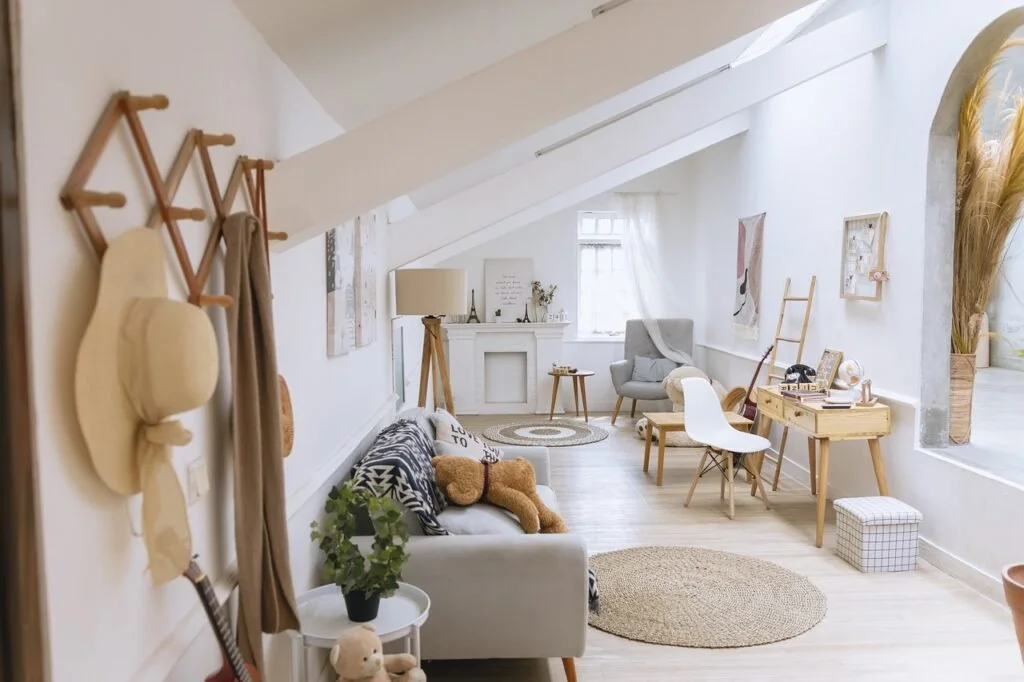
Finished second-floor home addition featuring a bright, cozy living space with sloped ceilings, skylight, light wood flooring, and a thoughtfully designed layout that maximizes natural light and functionality.
What to Expect During a Second Story Addition
Understanding what to expect during a second story addition helps reduce stress and set realistic expectations. This type of project is more complex than most room additions and unfolds in defined phases.
Typical phases include:
Design development and permitting
Site preparation and temporary protections
Structural reinforcement (if required)
Framing of the new second level
Roofing, exterior finishes, and weatherproofing
Interior rough-ins and finishes
Clear communication from your room addition contractor keeps the process predictable and organized.
Living in Your Home During an Addition
Many homeowners ask about living in your home during an addition. In some cases, it’s possible—but it depends on scope, timeline, and comfort level.
Factors that influence livability include:
Duration of structural work
Noise, dust, and daily site activity
Temporary loss of utilities
Safety considerations for children or pets
For larger luxury home expansions, temporary relocation during key phases may reduce disruption and speed up construction.
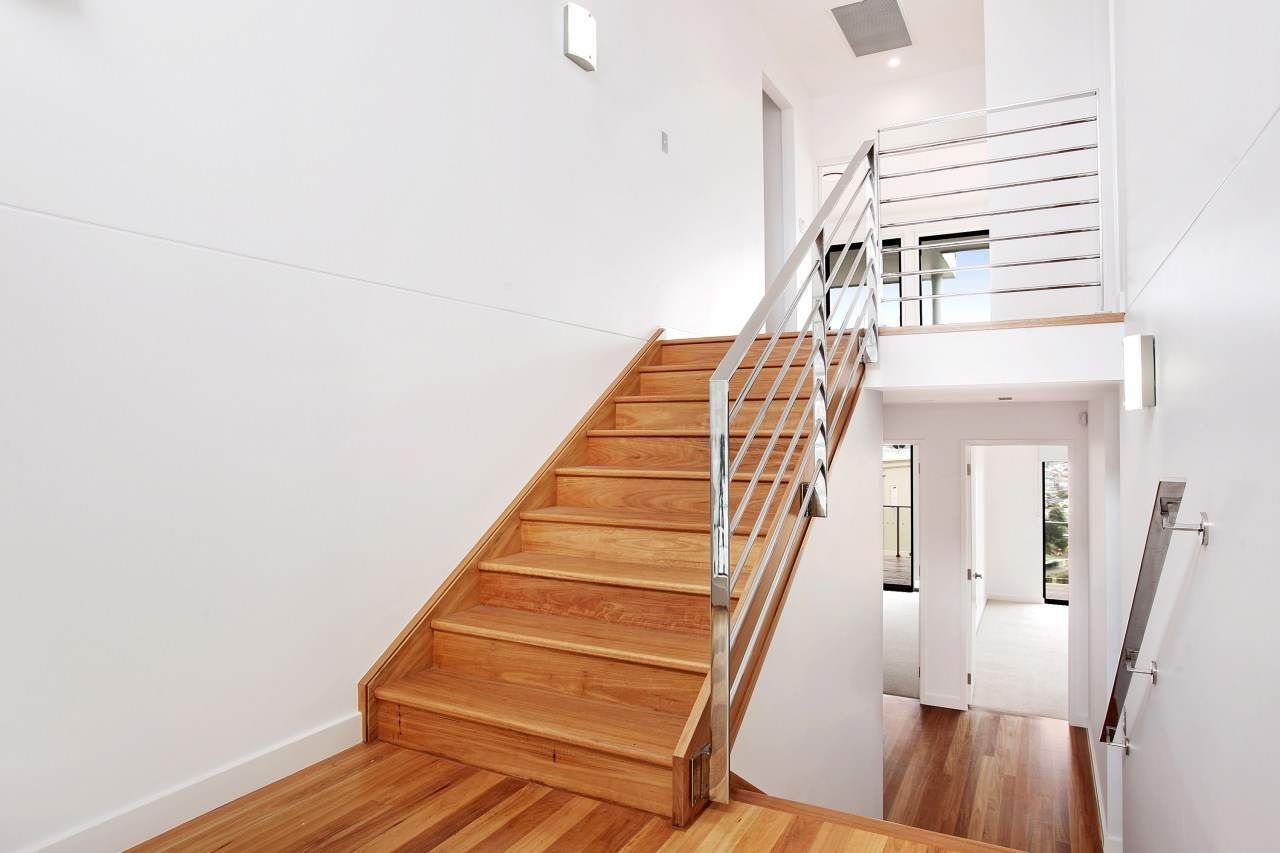
Interior of a newly built home addition featuring a modern wood staircase with natural wood treads, sleek metal railing, white walls, and matching hardwood floors, creating a clean, open transition between levels.
Luxury Home Expansion and Custom Home Remodel Considerations
A luxury home expansion often includes high-end finishes, custom layouts, and enhanced comfort features. When paired with a custom home remodel, homeowners can update existing spaces while expanding upward.
Luxury-focused additions may include:
Primary suites with spa-inspired bathrooms
Custom closets and built-ins
Soundproofing and upgraded insulation
High-performance windows and doors
Integrated lighting and smart home systems
Combining expansion with renovation ensures the entire home feels cohesive—not just the new level.
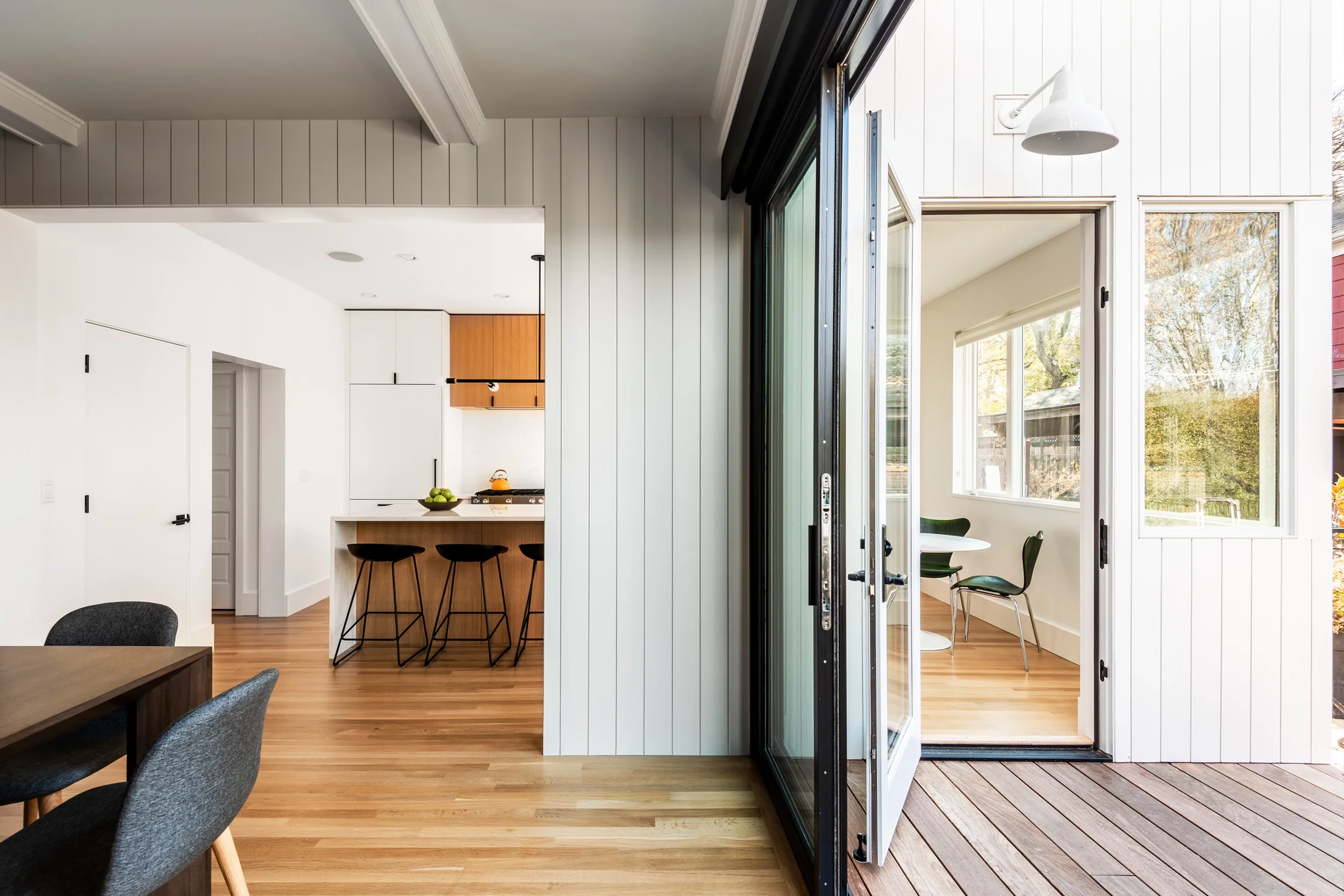
Interior view of a modern home addition showing seamless indoor-outdoor flow, with light wood flooring, vertical wall paneling, an open kitchen with island seating, and large glass doors opening to a covered deck.
Choosing the Right Room Addition Contractor
Selecting the right room addition contractor is essential for minimizing disruption and maximizing results. Experience with second story additions is especially important due to structural complexity.
Look for a contractor who provides:
Detailed pre-construction planning
Clear scheduling and lifestyle coordination
Structural and engineering expertise
Proven experience with custom home remodels and luxury additions
The right partner helps you plan around daily life—not overwhelm it.
Proudly serving San Jose, Campbell, Los Gatos, Saratoga, Cupertino, Sunnyvale, Santa Clara, Mountain View, Los Altos, Los Altos Hills, Palo Alto, Menlo Park, Stanford, Woodside, Emerald Hills, Atherton, South San Francisco, Redwood City, Foster City, Portola Valley, Belmont, San Mateo, Burlingame, Millbrae, Hillsborough, San Bruno, Daly City, Colma, Brisbane, Pacifica, Milpitas, San Carlos, and surrounding Bay Area communities.