Planning a Second-Story Addition: Everything You Need to Know
A second-story addition is one of the most impactful ways to increase living space while staying in the neighborhood you love. When planned correctly, it can transform how your home functions, improve long-term value, and support changing lifestyle needs. However, successful results depend heavily on thoughtful home addition planning from the very beginning.
Below is a complete guide covering design, structure, permits, and expert contractor tips to help you plan with confidence.
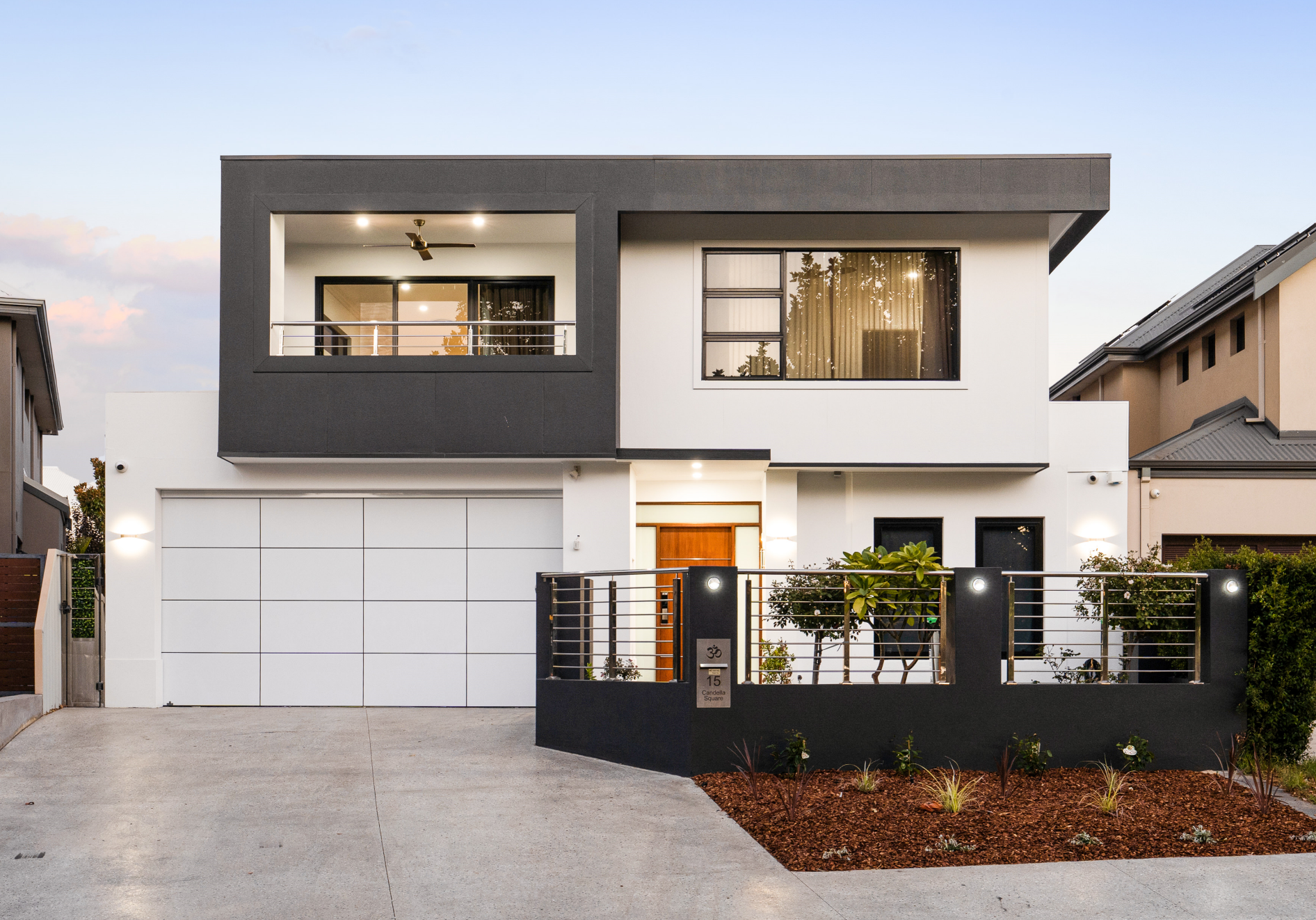
Modern two-story home with a second-story addition featuring clean lines, contrasting light and dark exterior finishes, a balcony, and a spacious driveway designed for contemporary residential living.
Start With Smart Home Addition Planning
Strong home addition planning sets the foundation for a smooth project. Before any drawings or permits, homeowners should clearly define:
How the additional space will be used
Desired square footage and layout
Budget range and timeline expectations
Long-term goals such as resale or aging in place
A second story should feel intentional—not rushed or reactive. Planning early avoids costly changes later in the process.
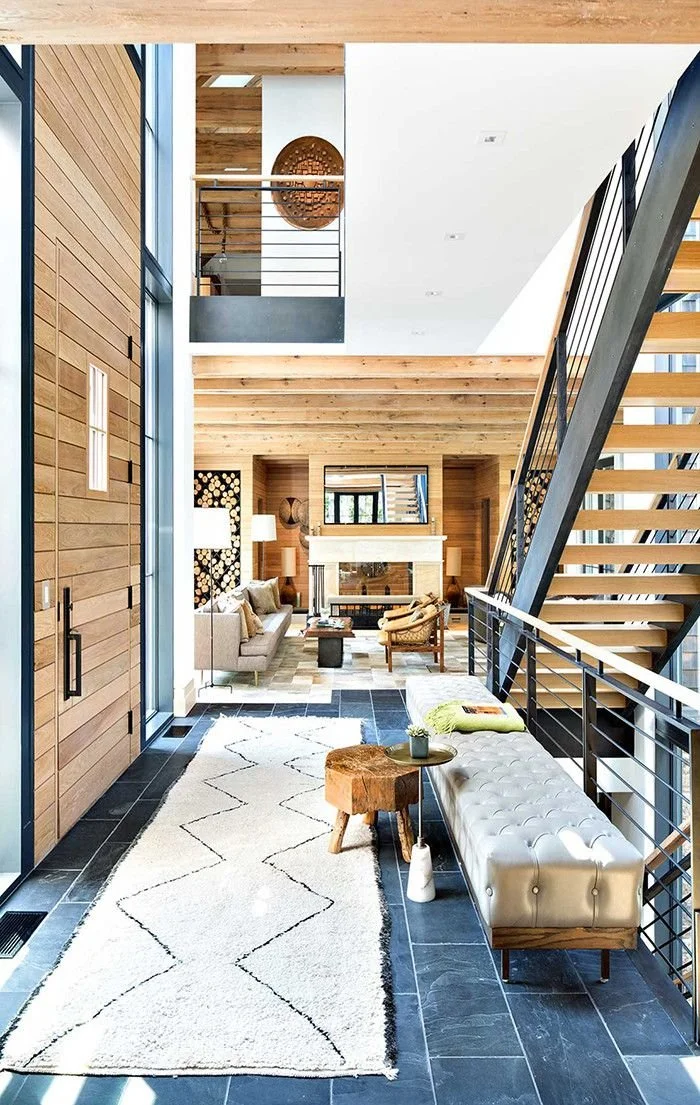
Interior view of a home with a second-story addition showcasing a double-height living space, open staircase, wood ceilings, natural light, and a seamless connection between floors.
Structural Requirements You Must Address
One of the most critical aspects of building a second story is meeting all structural requirements. Your existing home must be evaluated to confirm it can safely support the added load.
This often includes:
Structural engineering analysis
Foundation inspection and reinforcement
Seismic upgrades or shear walls
Load-path continuity from roof to foundation
Structural feasibility often determines both cost and design flexibility.
Understanding Addition Permits
A second-story addition always requires addition permits. Because you’re modifying height, structure, and sometimes setbacks, city review is more involved than smaller remodels.
Most jurisdictions require:
Building and structural permits
Planning or zoning approval
Energy compliance documentation
Fire and life-safety review
Permit timelines vary by city, so factoring approvals into your project schedule is essential.
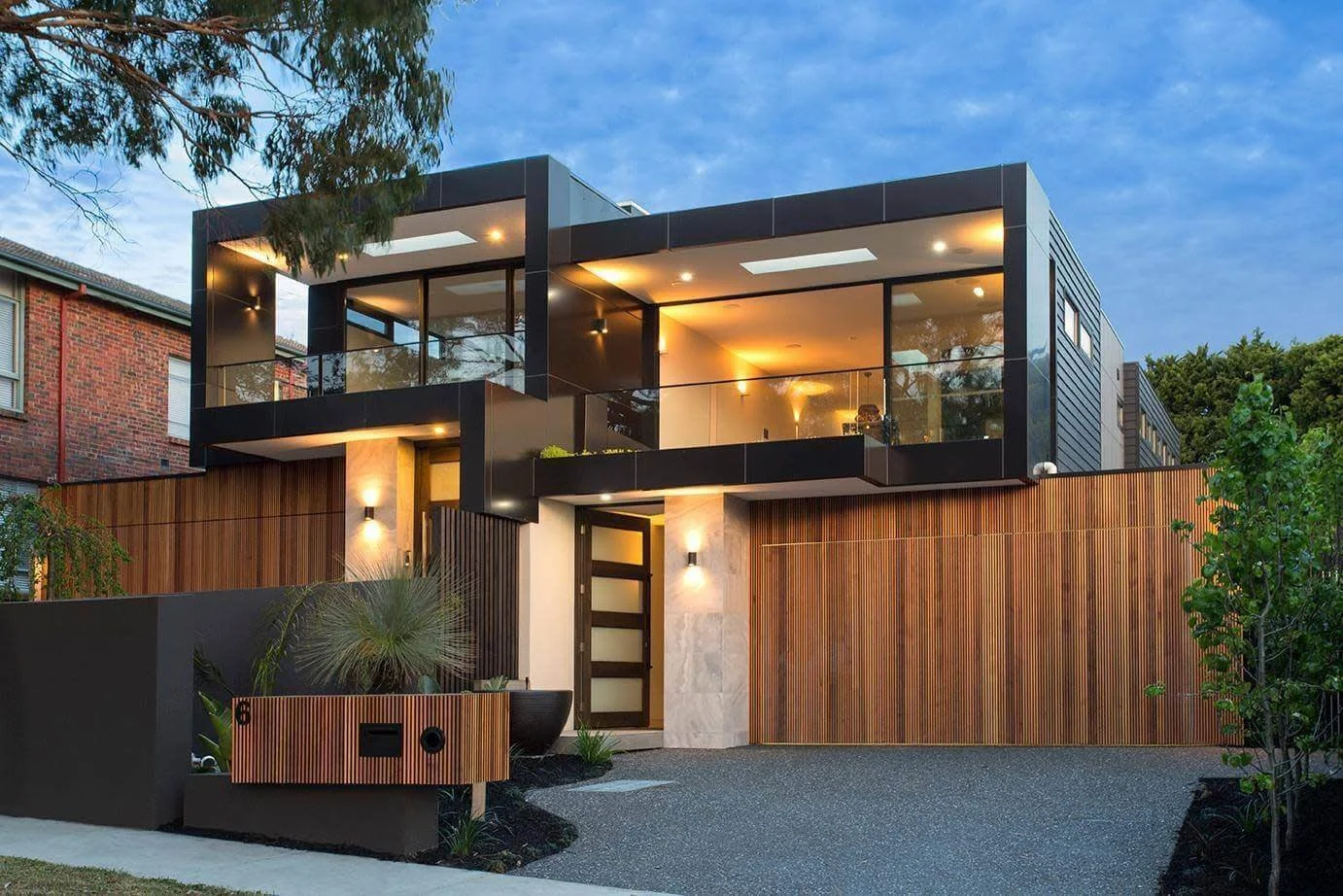
Contemporary second-story addition with glass-railed balconies, modern exterior materials, warm interior lighting, and a cohesive design that blends the new upper level with the existing home.
What to Expect During Construction
Second-story additions are among the most complex home remodeling projects. Construction typically involves:
Temporary roof removal
Extensive framing and structural work
Mechanical, plumbing, and electrical upgrades
Periods of limited access to parts of the home
Some homeowners choose to temporarily relocate during major phases. Clear communication and planning help reduce disruption.
Design Details That Make a Difference
A well-designed second story should blend seamlessly with the existing home. Key design considerations include:
Staircase placement and circulation flow
Ceiling heights and natural light
Efficient plumbing and HVAC stacking
Matching exterior architecture and proportions
Thoughtful design ensures the addition feels cohesive, balanced, and purposeful.
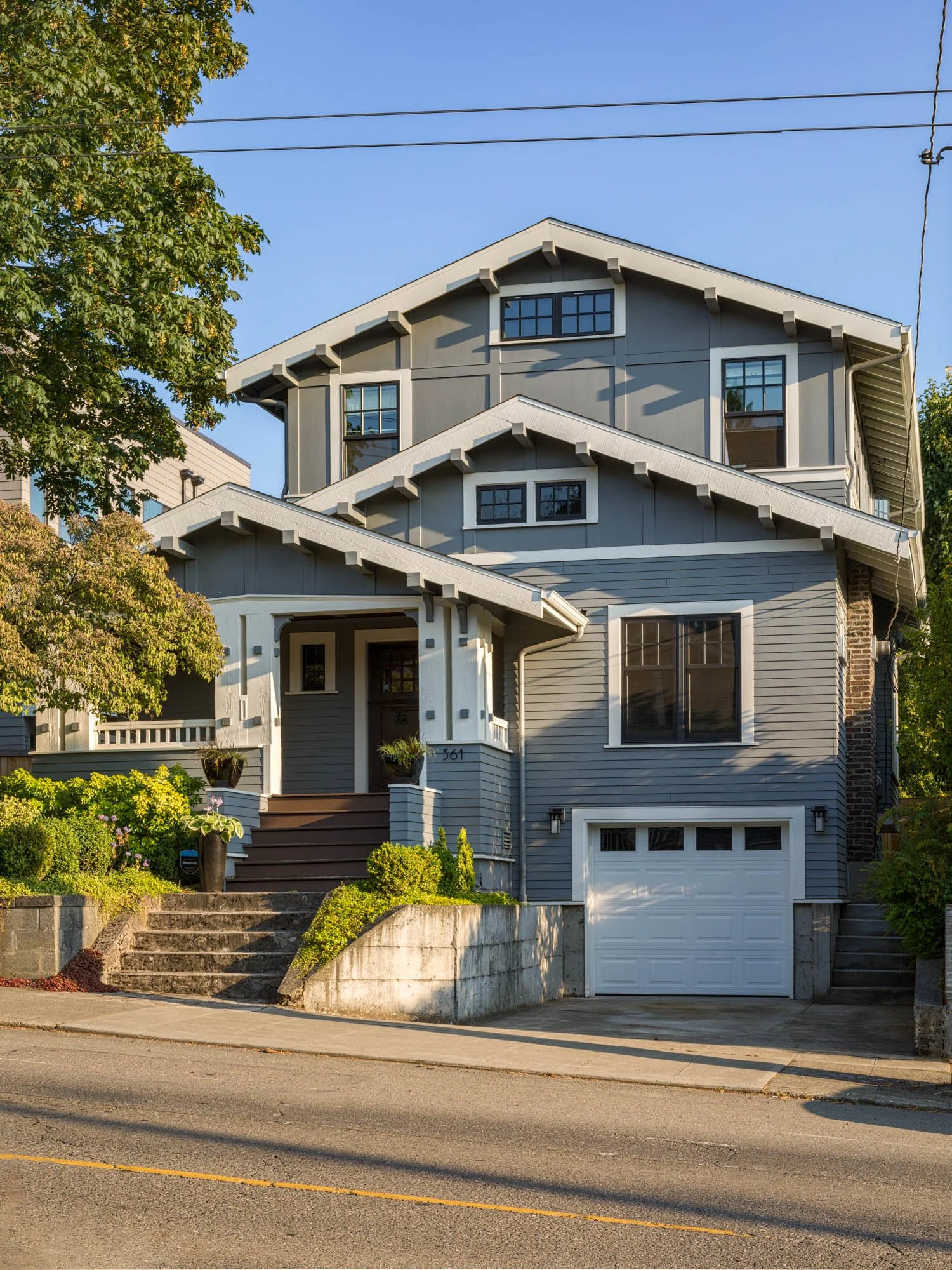
Traditional single-family home with a second-story addition featuring gabled rooflines, updated siding, energy-efficient windows, and architectural details that preserve the home’s original character.
Contractor Tips for a Successful Second-Story Addition
Choosing the right team is essential. Proven contractor tips include:
Work with builders experienced in vertical additions
Confirm expertise in structural upgrades and permits
Look for clear communication and documented processes
Choose a design-build approach to reduce coordination issues
An experienced contractor helps manage complexity while protecting your investment.
A second-story addition can dramatically enhance how your home lives—but only when planned correctly. By understanding structural needs, permit requirements, design considerations, and construction realities, homeowners can move forward with clarity and confidence.
Careful home addition planning is the key to a successful, long-lasting result.
Ready to Plan Your Second-Story Addition?
If you’re exploring a second-story addition or evaluating options for a full home expansion, the next step is a site visit and a clear plan tailored to your property. Careful planning early on helps ensure the addition integrates seamlessly with your existing home and meets your long-term needs.
EDR Design Build offers a streamlined design-build process, expert guidance, and quality craftsmanship to support your project from concept through construction.
Click the button below to get started, or call 650-888-2107 to schedule your consultation.
Serving San Jose, Campbell, Los Gatos, Saratoga, Cupertino, Sunnyvale, Santa Clara, Mountain View, Los Altos, Los Altos Hills, Palo Alto, Menlo Park, Stanford, Woodside, Emerald Hills, Atherton, South San Francisco, Redwood City, Foster City, Portola Valley, Belmont, San Mateo, Burlingame, Millbrae, Hillsborough, San Bruno, Daly City, Colma, Brisbane, Pacifica, Milpitas, San Carlos, and Bay Area communities.