
New Build Homes Built Around How You Live
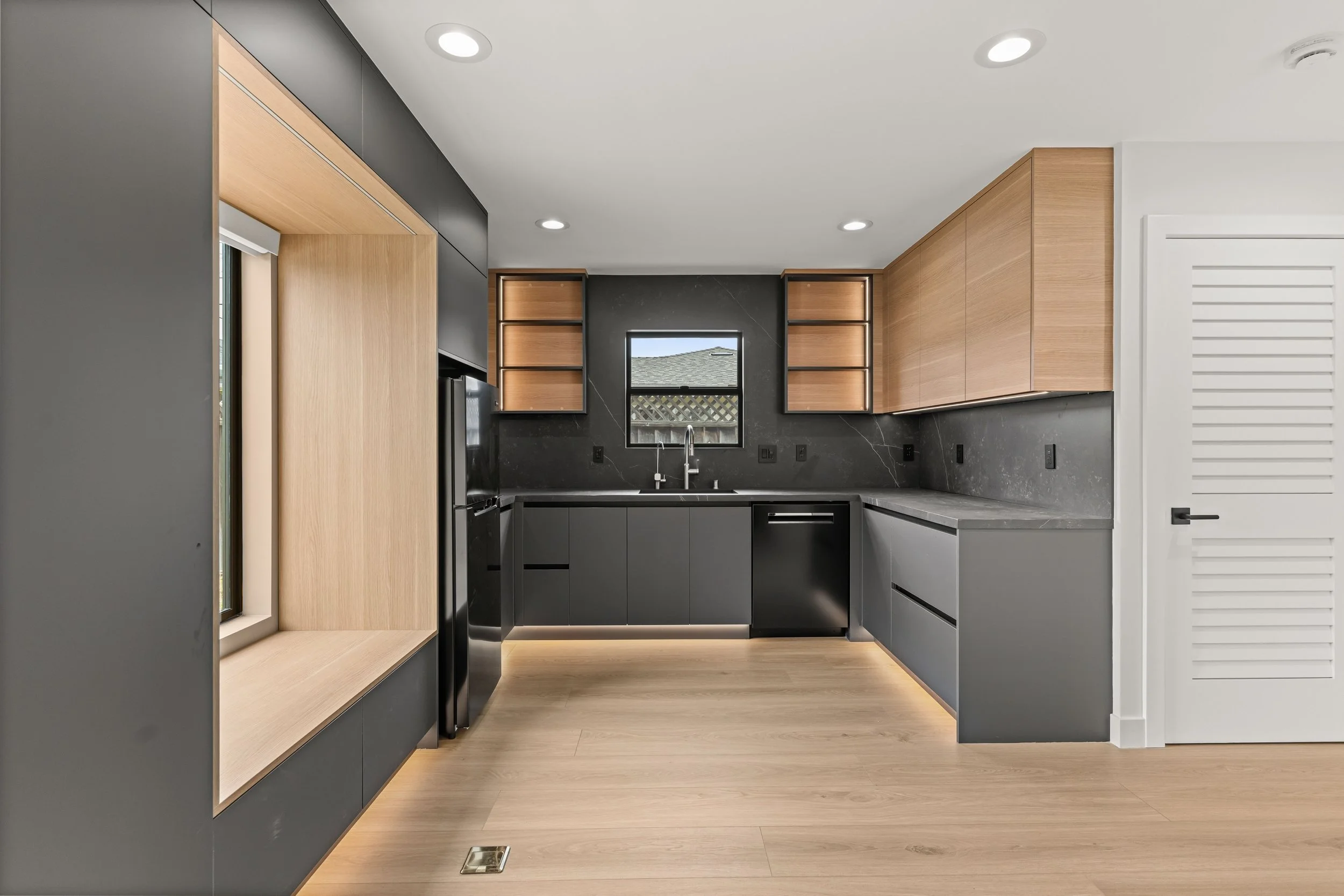
A new home should solve the problems that made your current home feel limiting: crowded mornings, disconnected rooms, poor natural light, or space that no longer fits your family. New build homes give Bay Area homeowners the chance to start with how they actually live, rather than compromising around an outdated floor plan.
That opportunity comes with real complexity. In Los Gatos and across the Bay Area, a successful new home requires more than a strong design. It requires a clear plan for zoning, permitting, engineering, budget decisions, site conditions, and construction sequencing. The right team brings those pieces together before small issues become expensive delays.
New Build Homes Start With Better Decisions
Custom construction is not about adding every possible feature. It is about making the right choices early, when they have the greatest impact on cost, schedule, and daily comfort.
Start with the fundamentals: the size of the home, the relationship between indoor and outdoor areas, bedroom locations, storage, and how the kitchen supports everyday routines and entertaining. A well-designed home also plans for privacy, sunlight, circulation, and changing needs over time. For some owners, that means a first-floor suite for aging parents or guests. For others, it means a flexible office, a dedicated kids' zone, or an ADU-ready layout.
The best plans balance ambition with the realities of the property. Lot coverage rules, setbacks, height limits, utility access, slope, and neighborhood requirements can all shape what is feasible. Addressing them at the beginning protects both the design and the budget.
Why an Integrated Design-Build Team Matters
Traditional construction can divide responsibility between an architect, engineer, permit consultant, estimator, and general contractor. Each professional may be capable, but the homeowner often becomes the person connecting the dots. When a permit comment affects the design, or a design revision affects pricing, that fragmented process can add time and uncertainty.
A design-build approach puts permitting, design coordination, and construction under one accountable team. The people developing the plans are working with the people who understand how those plans will be built. That creates earlier cost feedback, clearer scope decisions, and fewer surprises once construction begins.
This does not mean every decision is simple. Custom homes involve trade-offs. A dramatic wall of glass may improve views and daylight but affect structural requirements, energy performance, and cost. Premium finishes can elevate the finished home, but they need to be selected on a timeline that keeps procurement from slowing the job. A disciplined process makes those trade-offs visible so homeowners can choose with confidence.
Build for the Bay Area, Not a Generic Plan
Bay Area properties demand local knowledge. A plan that looks efficient on paper may need significant adjustment based on grading, drainage, fire requirements, tree protection, or jurisdiction-specific planning rules. Older lots can also bring unknown conditions below the surface, particularly during teardown-and-rebuild projects.
The practical response is thorough preconstruction. Before work starts, the project team should understand the existing site, develop a realistic scope, coordinate consultants, and map the permitting path. Clear construction documents and early material planning help reduce field changes that can disrupt the schedule.
Homeowners should also expect transparent conversations about allowances and contingencies. These are not signs that a builder lacks preparation. Used correctly, they account for selections or conditions that cannot be fully defined at the earliest stage. The key is knowing what is included, what is still being decided, and how changes will be handled.
Choose Features That Deliver Daily Value
The most successful custom homes are not defined by a single showpiece. They feel easier to live in every day. Prioritize the places where your household spends time and the systems that affect long-term performance.
Consider durable exterior materials, high-performing windows, thoughtful insulation, efficient mechanical systems, and lighting that works at different times of day. Inside, focus on storage where clutter accumulates, kitchen layouts with enough working space, bathrooms that simplify busy routines, and finishes that suit your lifestyle rather than a passing trend.
Future flexibility matters, too. Planning for solar, battery storage, electric vehicle charging, smart-home infrastructure, or an adaptable room can be less costly during construction than after move-in. Not every home needs every upgrade, but a custom build is the right time to decide what will matter most over the next decade.
A Clear Path From Vision to Move-In
New construction becomes manageable when homeowners know what happens next and who owns each part of the process. Early design decisions lead into permit-ready plans, selections, scheduling, site preparation, and construction milestones. Consistent communication keeps decisions moving and gives owners a realistic view of progress.
EDR Design Build helps homeowners manage that entire path with one team that permits, designs, and builds. The goal is not simply to build faster. It is to create a well-coordinated home and a process that respects the scale of your investment.
If your current home no longer supports the way you live, start by defining the daily experience you want from the next one. A clear vision, tested against your property and guided by an experienced team, is where a custom home begins to feel achievable.
Proudly serving San Jose, Campbell, Los Gatos, Saratoga, Cupertino, Sunnyvale, Santa Clara, Mountain View, Los Altos, Los Altos Hills, Palo Alto, Menlo Park, Stanford, Woodside, Emerald Hills, Atherton, South San Francisco, Redwood City, Foster City, Portola Valley, Belmont, San Mateo, Burlingame, Millbrae, Hillsborough, San Bruno, Daly City, Colma, Brisbane, Pacifica, Milpitas, San Carlos, and surrounding Bay Area communities.
