
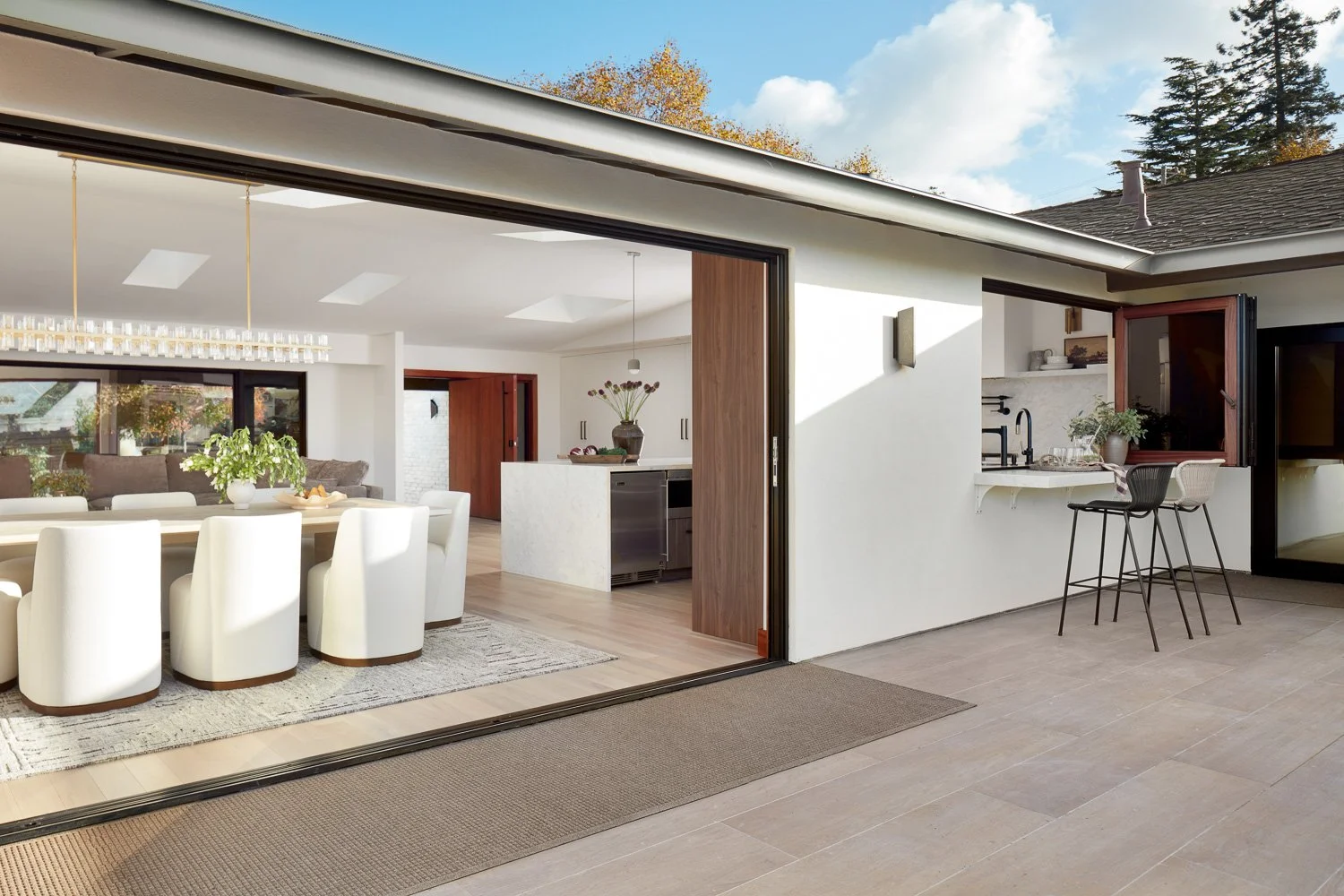
A new primary suite, expanded kitchen, second-story addition, or attached ADU can transform how your home works. It can also change your property tax bill. So, is a home addition taxable? In California, the addition itself is generally subject to property tax reassessment as new construction, while the assessed value of your existing home is usually protected.
That distinction matters for Bay Area homeowners. A well-planned addition can add meaningful living space and long-term value without triggering a full reassessment of the entire property. But the timing, scope, permits, and type of work all affect what the county assessor considers taxable new construction.
Is a Home Addition Taxable in California?
Yes. When you build a home addition, the county assessor typically adds the value of the new construction to your existing assessed value. This does not usually mean your entire home is reassessed at its current market value.
California's Proposition 13 generally limits annual increases to the assessed value of your existing property. If you bought your home years ago, that protected assessed value may be far lower than today's market value. A permitted addition creates a separate assessment for the value added by the project.
For example, assume your home's current assessed value is $900,000 and you complete an addition that the assessor values at $500,000. The new assessed value may become approximately $1.4 million, subject to the assessor's valuation and any applicable exclusions. The original $900,000 portion generally keeps its Proposition 13 treatment.
The key point is that property tax is based on the assessor's estimate of the completed new construction value, not automatically on your total contract price. Construction costs are relevant, but they are not always the final number used for assessment.
What Counts as Taxable New Construction?
A taxable addition is usually straightforward: new enclosed square footage attached to the home. That includes a family room expansion, second story, new bedroom wing, enlarged kitchen footprint, or new garage. Converting unfinished space into finished, habitable living area can also be assessed as new construction.
An ADU may also increase assessed value. Whether it is detached, attached, or converted from existing space, an ADU that creates new habitable area or significant new improvements can lead to a supplemental assessment. The value added depends on the work performed, site conditions, finishes, utility upgrades, and local assessment practices.
Major structural work can be taxable even when the project does not add square footage. Rebuilding substantial portions of a home after demolition, replacing major systems as part of a larger reconstruction, or converting a garage into conditioned living space may all create assessable new value.
Work that is generally considered ordinary maintenance or repair is treated differently. Repainting, replacing worn flooring, repairing a roof, or updating a fixture without materially changing the property typically does not trigger a reassessment. The line becomes less clear when a project combines repairs with expansion, layout changes, high-value upgrades, and structural work.
Why Permits Matter to Your Tax Bill
Permits are not simply an administrative requirement. They create the official project record that helps the county identify completed new construction. After final inspection, many jurisdictions share permit information with the county assessor, which may then request details about the project.
Homeowners may receive a construction questionnaire asking about the project cost, completion date, square footage, plans, labor, and improvements. Answer it accurately and keep your records organized. Plans, permits, contracts, change orders, invoices, and final inspection documentation help establish what was actually built.
A professional design-build team manages permitting as part of the construction process, but the property tax assessment remains a homeowner responsibility. Good project documentation makes that next step more predictable and reduces confusion about whether the assessor is valuing new square footage, repairs, pre-existing features, or all of the above.
Expect a Supplemental Assessment After Completion
One of the biggest surprises for homeowners is the supplemental property tax bill. This is separate from the regular secured property tax bill and reflects the increase in assessed value caused by the completed work.
The assessor determines the date the new construction was completed, often based on final inspection or occupancy. The supplemental assessment then covers the period between that completion date and the next regular tax roll. Depending on when work finishes, you may receive one or two supplemental bills.
This does not mean you are being taxed twice for the same improvement. It is the county's way of collecting tax on the added assessed value before the improvement appears on the next annual property tax bill. Your ongoing tax bill will then include the assessed value of the addition moving forward, with the usual Proposition 13 limits on future annual increases.
Because timing affects the supplemental bill, it is smart to include a property-tax reserve in your project budget. This is especially relevant for substantial Bay Area additions, custom homes, and ADUs, where the completed value can be significant.
How Much Will Property Taxes Increase?
There is no reliable one-size-fits-all number because assessed value is not identical to construction cost. Still, a working estimate can help with early planning.
In much of California, the base property tax rate is roughly 1% of assessed value, plus voter-approved local bonds, assessments, and district charges. Your effective rate may be closer to 1.1% to 1.3%, depending on the property's location.
If an assessor adds $400,000 in new assessed value and the effective tax rate is 1.2%, the ongoing annual property tax increase could be about $4,800. A $700,000 assessed increase at the same rate could mean roughly $8,400 annually. These are planning examples, not tax advice or a prediction of an individual assessment.
For a more accurate project-level estimate, start with the local tax rate on your current bill, then discuss likely assessed value with a California property tax professional. Your contractor can clarify the construction scope and costs, while a tax advisor can help you understand the likely ownership, assessment, and cash-flow implications.
Projects That Can Create Gray Areas
Some projects are easy to classify. Others require more careful documentation. A full-home remodel, for instance, may include both non-assessable repairs and assessable new construction. If you move walls, open the roofline, add square footage, replace foundations, build an addition, and upgrade every finish at once, the assessor may need to separate the taxable portion from routine maintenance.
Teardown-and-rebuild projects have higher stakes. Demolishing and rebuilding a home usually creates a reassessment for the newly constructed home, though land treatment and specific circumstances vary. The same is true when a project substantially reconstructs an existing residence. Before making design decisions, confirm how the project could affect assessed value and property taxes.
Fire or disaster rebuilding can involve different rules and potential exclusions, particularly when rebuilding substantially the same property. Likewise, certain accessibility improvements may receive special treatment. These situations are fact-specific, so homeowners should speak with the county assessor and qualified tax counsel rather than relying on general guidance.
Plan for Taxes Before You Design the Addition
Property taxes should be part of the feasibility conversation, not an afterthought after construction is complete. Before design is finalized, define the space you need, the level of finish you expect, and the long-term cost you are comfortable carrying. A larger addition may be the right investment, but its annual operating cost includes more than utilities, maintenance, and insurance.
Ask your project team to clearly distinguish new square footage, conversion work, repairs, and exterior improvements in the scope. Keep a clean file of all signed plans, estimates, invoices, approvals, and changes. If the assessor's value appears to include work that was not new construction, those records will be useful when you ask questions or consider an assessment appeal.
At EDR Design Build, we permit, design, and build under one coordinated team, helping homeowners make informed decisions before a project reaches the field. The goal is not just a better layout or more square footage. It is a project with clear expectations from early planning through completion.
A home addition can be a smart way to stay in the neighborhood you value while creating space that fits your life now. Build the tax impact into the decision early, keep the records that support your project, and you can move forward with fewer financial surprises.
Proudly serving San Jose, Campbell, Los Gatos, Saratoga, Cupertino, Sunnyvale, Santa Clara, Mountain View, Los Altos, Los Altos Hills, Palo Alto, Menlo Park, Stanford, Woodside, Emerald Hills, Atherton, South San Francisco, Redwood City, Foster City, Portola Valley, Belmont, San Mateo, Burlingame, Millbrae, Hillsborough, San Bruno, Daly City, Colma, Brisbane, Pacifica, Milpitas, San Carlos, and surrounding Bay Area communities.
