
How to Choose a Local General Contractor
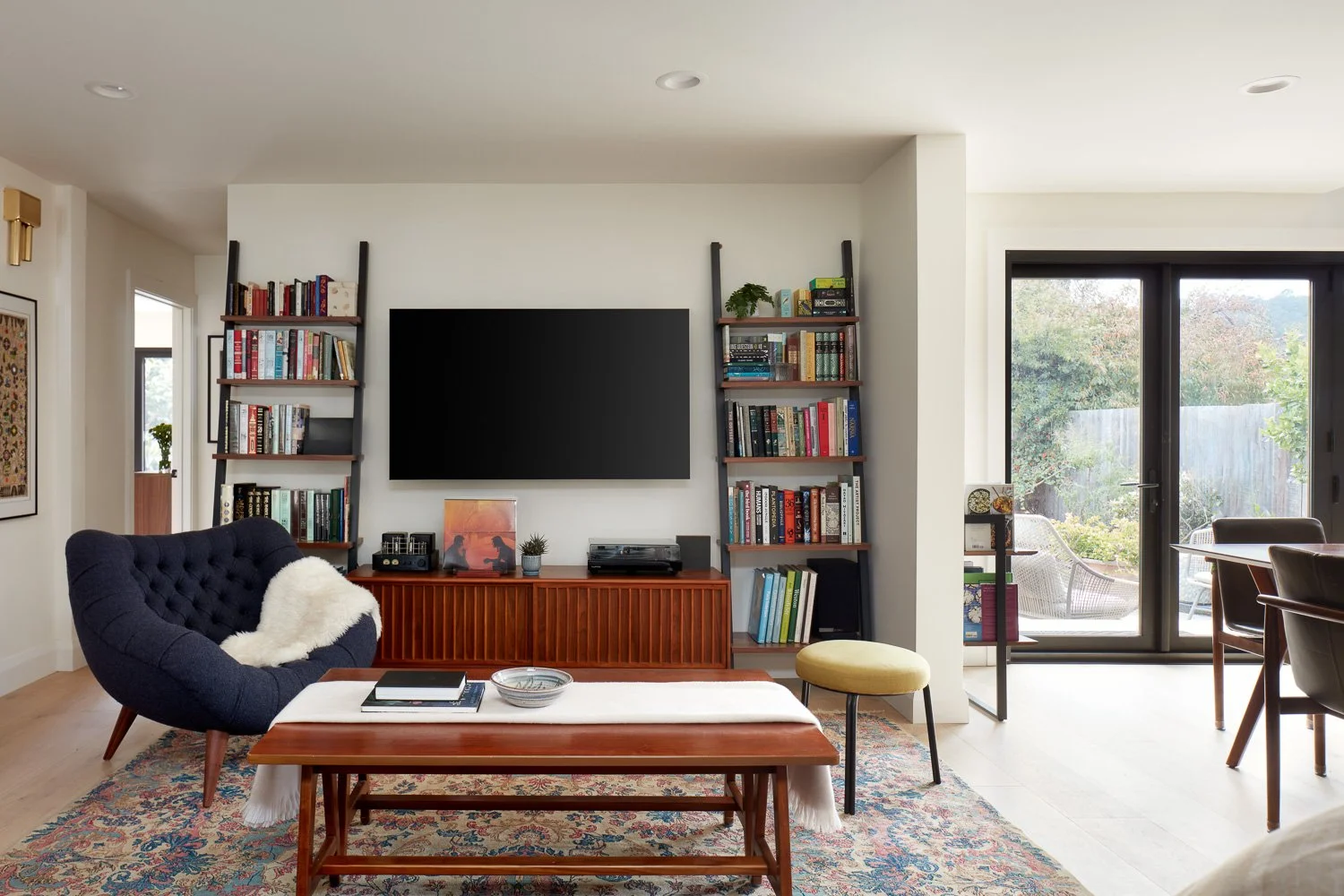
A room addition, ADU, whole-home remodel, or teardown-and-rebuild project is too significant to treat like a series of separate vendor decisions. The right local general contractor should bring structure to the work before construction begins, then maintain control of the details that determine whether the project moves forward or stalls.
For Bay Area homeowners, the decision is not simply about finding someone who can build. It is about choosing a team that can coordinate design, permitting, budgets, scheduling, inspections, and construction while protecting the vision for your home.
What a Local General Contractor Should Manage
A general contractor should be accountable for the construction scope, but complex residential projects demand more than trade coordination. The team you hire needs a clear process for turning an early idea into a permitted, buildable plan.
That starts with realistic feasibility. Can the desired addition fit the lot, meet setbacks, and work with the existing structure? Is an ADU best positioned as a detached unit, garage conversion, or attached addition? Will a remodel require panel upgrades, foundation work, or a revised floor plan to achieve the results you want?
These questions affect design, cost, and timing. Addressing them early reduces the risk of redesigns after plans are underway or surprises once walls are opened. A contractor with local experience should also understand the permitting expectations that can vary by city, neighborhood, and project type.
Why an Integrated Design-Build Team Can Save Time
Traditional construction often divides responsibility among an architect, designer, estimator, general contractor, and multiple subcontractors. That arrangement can work, but it places the homeowner in the middle when drawings, budget, or construction conditions do not align.
A design-build team combines the key functions under one accountable organization. Design decisions are evaluated through a construction and budget lens earlier. Permit requirements can be tracked alongside plan development. The construction team enters the process before final decisions create expensive conflicts in the field.
This does not mean every project should follow the same path. Homeowners who already have complete architectural plans may only need a construction partner. But for an addition, new custom home, or major renovation, integrated delivery usually creates fewer handoffs and clearer ownership from concept through completion.
EDR Design Build follows this model by permitting, designing, and building through one coordinated team. The goal is simple: reduce the friction that causes avoidable delays and leaves homeowners chasing answers across multiple companies.
Questions to Ask Before You Hire
A polished portfolio matters, but it should not be the only factor. Ask a prospective contractor how they manage the work behind the finished photographs.
Start with project fit. Confirm that the contractor regularly handles projects similar in scale and complexity to yours. A company focused on small repairs may not have the systems required for a full-home renovation with structural changes, permit reviews, and a detailed construction schedule.
Then ask who will guide the process. You should know who is responsible for preconstruction planning, who communicates during permitting, who manages the jobsite, and how often you will receive updates. Clear answers usually indicate a clear operating system.
It is also reasonable to ask how the company approaches allowances, change orders, and unforeseen conditions. Older Bay Area homes can reveal concealed issues such as outdated wiring, water damage, or structural deficiencies. No contractor can eliminate every unknown, but a disciplined team can explain how decisions, pricing, and schedule impacts will be handled if they arise.
Look Beyond the Initial Price
The lowest proposal is not always the lowest project cost. An estimate may appear attractive because key scopes are excluded, assumptions are vague, or the contractor has not fully considered permitting and site conditions.
Review proposals for clarity. The scope should identify what is included, what remains an allowance, and what may require further investigation. A good contractor will discuss the difference between an early planning budget and a final construction agreement rather than presenting preliminary figures as certainty.
Price also needs to be weighed against schedule control and communication. Delays can carry real costs, from extended temporary housing to lost rental income from an ADU. A contractor with proven systems, active project management, and reliable trade coordination may provide greater value even when the initial number is not the lowest.
Choose Accountability Over Fragmentation
The best working relationship is built before demolition begins. You should feel confident that your contractor understands the goals for your home, explains the process plainly, and has a practical plan for moving the project through design, permitting, and construction.
A major home project will always involve decisions. Choose a local general contractor who makes those decisions easier to navigate, keeps responsibility centralized, and gives your investment the level of oversight it deserves.
Proudly serving San Jose, Campbell, Los Gatos, Saratoga, Cupertino, Sunnyvale, Santa Clara, Mountain View, Los Altos, Los Altos Hills, Palo Alto, Menlo Park, Stanford, Woodside, Emerald Hills, Atherton, South San Francisco, Redwood City, Foster City, Portola Valley, Belmont, San Mateo, Burlingame, Millbrae, Hillsborough, San Bruno, Daly City, Colma, Brisbane, Pacifica, Milpitas, San Carlos, and surrounding Bay Area communities.
