Few things are more frustrating than finishing a renovation and realizing something doesn’t work the way you expected. “Remodel regret” often isn’t about the investment—it’s about missed opportunities, rushed decisions, or lack of planning. Working with the right home remodeling contractor and understanding the full home renovation process can help homeowners avoid the most common pitfalls.
With thoughtful preparation and professional guidance, your renovation can feel just as good years later as it does on day one.

Exterior view of a custom home remodel with Mediterranean-inspired architecture, curved entry steps, landscaped garden, and mature trees.
What Is Remodel Regret?
Remodel regret happens when a renovation looks good but doesn’t support everyday living. In many cases, homeowners love individual finishes but feel frustrated by layout, storage, or usability.
Common sources of regret include:
Poor layout or traffic flow
Not enough storage
Inadequate lighting
Choosing trends over function
Underestimating daily habits
Understanding these issues early is the first step in learning how to avoid remodel regret.
Common Remodeling Mistakes Homeowners Make
Recognizing common remodeling mistakes homeowners make helps prevent them from repeating.
Frequent mistakes include:
Skipping proper planning and design
Choosing materials before finalizing layout
Underestimating budget and timeline
Making last-minute changes during construction
Hiring based on price instead of experience
Most regret can be traced back to decisions made before construction begins.

Custom home living room remodel featuring arched windows, a central fireplace, curated furnishings, and warm wood trim details.
Remodeling Tips From Professionals
Experienced professionals see patterns across hundreds of projects. These remodeling tips from professionals help homeowners make confident decisions.
Key tips include:
Design around lifestyle—not just aesthetics
Invest in layout, storage, and lighting first
Plan selections early to avoid rushed choices
Build contingency into your investment plan
Trust the process and the professionals guiding it
A thoughtful approach delivers better long-term satisfaction.
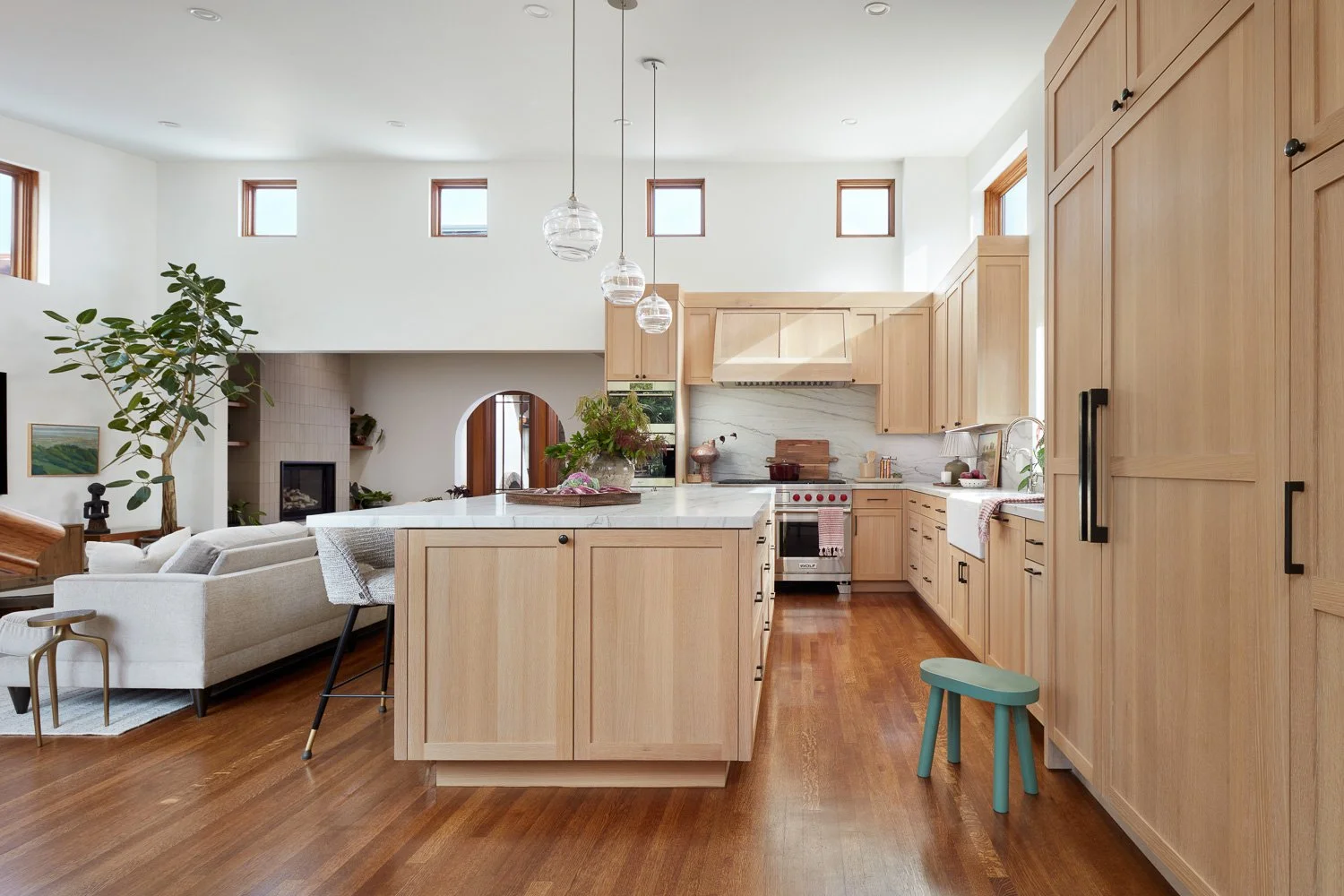
Open-concept custom kitchen remodel with light wood cabinetry, large center island, pendant lighting, and hardwood floors flowing into the living area.
Why a Full Home Renovation Reduces Regret
A full home renovation allows for holistic planning. Rather than fixing one room at a time, the entire home is designed to work together.
Benefits include:
Consistent design throughout
Coordinated systems and layouts
Fewer compromises between rooms
Better long-term value
When everything is planned together, homeowners are less likely to wish they had “done more.”
The Role of a Design Build Firm
Working with a design build firm reduces risk by integrating design and construction under one team. This approach minimizes miscommunication and budget surprises.
Design-build advantages include:
Real-time budget feedback during design
Fewer change orders
Clear accountability
Streamlined communication
For complex or custom home renovation projects, this structure helps avoid costly missteps.

Built-in seating nook within a custom home remodel, showcasing curved upholstered bench seating, rich wood paneling, and decorative accent pillows.
Choosing the Right Home Remodeling Contractor
Avoiding regret starts with choosing the right partner. A skilled home remodeling contractor does more than build—they guide decisions.
Look for a contractor who provides:
Transparent planning and pricing
Design-forward thinking
Clear communication and timelines
Experience with full home renovations
The right team helps homeowners make informed, confident choices.
How to Avoid Remodel Regret: A Quick Checklist
Before construction begins, confirm that you’ve:
Thought through daily routines and habits
Prioritized layout and storage
Reviewed lighting plans carefully
Finalized material selections
Allowed for flexibility in budget and schedule
This checklist alone can prevent many common regrets.
Proudly serving San Jose, Campbell, Los Gatos, Saratoga, Cupertino, Sunnyvale, Santa Clara, Mountain View, Los Altos, Los Altos Hills, Palo Alto, Menlo Park, Stanford, Woodside, Emerald Hills, Atherton, South San Francisco, Redwood City, Foster City, Portola Valley, Belmont, San Mateo, Burlingame, Millbrae, Hillsborough, San Bruno, Daly City, Colma, Brisbane, Pacifica, Milpitas, San Carlos, and surrounding Bay Area communities.