
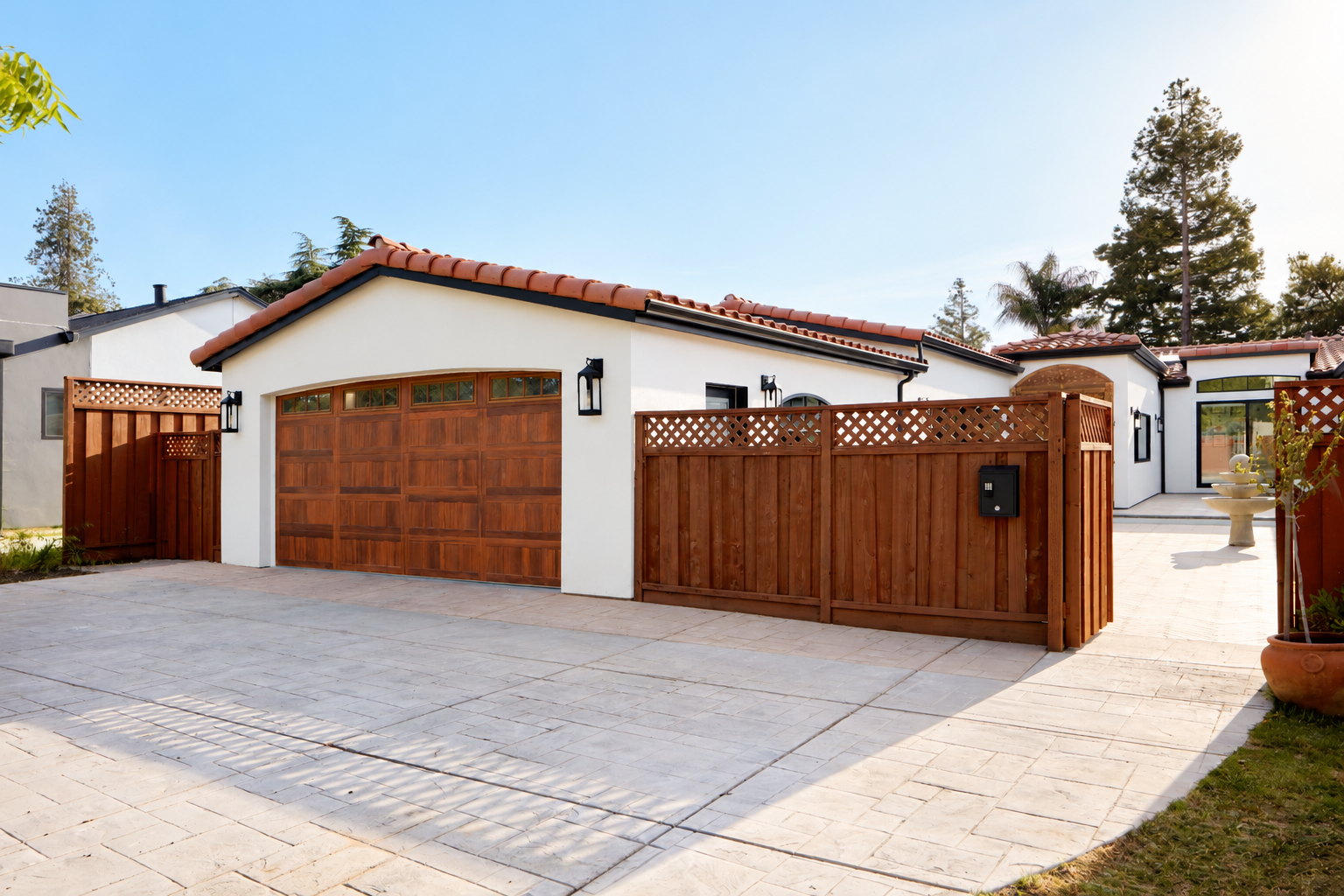
An ADU floor has to do more than look finished on move-in day. It needs to handle tenant turnover, wet shoes, moving furniture, pets, and daily use in a compact footprint where every material is noticeable. When homeowners ask about the best flooring for an ADU, durable, budget-friendly options usually come down to how the space will be used, not simply the lowest installed price.
For most Bay Area ADUs, the right answer is a coordinated flooring plan: a durable main flooring material for living areas and bedrooms, plus a water-resistant surface where moisture is expected. This approach controls costs, reduces maintenance, and gives the unit a cohesive, intentional look.
Start With How the ADU Will Be Used
A backyard rental unit needs a different flooring strategy than a guest suite used by family a few weekends each year. A long-term rental should prioritize easy replacement, stain resistance, and simple cleaning. A high-end detached ADU intended for guests or multigenerational living may justify a more elevated finish that connects visually with the main house.
Also consider the construction conditions. Many ADUs are built on concrete slabs, which can transfer moisture into flooring if the subfloor and vapor protection are not properly planned. Flooring should be selected after the foundation assembly, insulation, door thresholds, and finish transitions have been coordinated. Choosing a material too early can create avoidable change orders later.
Best Flooring for an ADU: Durable Options That Perform
Luxury vinyl plank is the practical default
Luxury vinyl plank, often called LVP, is one of the strongest overall choices for ADU living areas. It offers the warm appearance of wood without the maintenance concerns of traditional hardwood. Quality products resist scratches, tolerate everyday spills, and work well in kitchens, bedrooms, living rooms, and hallways.
For a rental ADU, select a product with a commercial-grade wear layer and a realistic low-sheen finish. Very glossy floors show scuffs and dust more quickly. LVP is also available in wide-plank styles that make a small ADU feel less busy and more spacious.
The trade-off is that not all vinyl products are equal. Entry-level materials can dent under heavy furniture or feel less substantial underfoot. A better-quality product and proper subfloor preparation usually deliver better long-term value than the cheapest available plank.
Porcelain tile works best in wet areas
Porcelain tile remains a reliable choice for bathrooms, entry areas, and laundry zones. It is highly water-resistant, durable, and easy to clean, making it especially useful where an ADU entrance opens directly from an outdoor path or yard.
Tile costs more to install than vinyl or laminate because it requires skilled preparation and labor. It can also feel cold underfoot, although radiant heat may be worth considering in a premium ADU bathroom. Use tile strategically rather than installing it throughout the entire unit if budget control is a priority.
Engineered hardwood adds value to higher-end ADUs
Engineered hardwood offers genuine wood character with greater dimensional stability than solid hardwood. It is a strong fit for an ADU designed as an extension of a custom home, particularly when the goal is to create a refined guest suite, home office, or multigenerational space.
It is not the lowest-maintenance option. Wood can scratch, and standing water still needs prompt attention. For that reason, engineered hardwood is typically best in dry living areas, paired with porcelain tile or luxury vinyl in bathrooms and kitchens.
Laminate can work in dry, budget-conscious spaces
Modern laminate has improved considerably in appearance and scratch resistance. It can be a smart option for dry bedrooms and living areas where the ADU will not see frequent moisture exposure. It is often less expensive than engineered hardwood and can offer a convincing wood look.
Its limitation is water. Even water-resistant laminate has a shorter margin for error than vinyl or tile when spills, leaks, or wet mopping are involved. In a small ADU with an open kitchen and limited separation between rooms, LVP is often the safer choice.
Keep the Flooring Plan Simple
A compact unit benefits from fewer flooring transitions. Running one main material through the living room, kitchen, hallway, and bedrooms makes the ADU feel larger while reducing installation complexity. Then reserve a complementary tile for the bathroom and, if needed, the entry.
Color matters as much as material. Mid-tone oak, natural greige, and soft warm brown finishes tend to hide dust better than very dark floors and feel more timeless than trendy gray. In an ADU, where natural light may be more limited than in the main home, lighter-to-mid finishes can help rooms feel open without looking sterile.
Before finalizing the selection, review flooring samples with cabinet colors, wall paint, trim, and lighting temperature. A floor that looks right in a showroom can read completely differently in a compact unit with warm recessed lighting or a north-facing window.
Plan Flooring With the Full Build in Mind
Flooring decisions affect more than finish style. They influence door clearances, appliance installation, bathroom transitions, baseboards, and accessibility. Coordinating those details during design helps prevent delays near the end of construction, when adjustments are most expensive.
At EDR Design Build, we permit, design, and build ADUs as one coordinated process, so material selections are evaluated alongside the full construction scope. That helps homeowners balance appearance, durability, budget, and installation requirements before work is underway.
The best floor is the one that supports the way the ADU will actually be lived in. Choose a material you can maintain confidently, replace reasonably if needed, and enjoy seeing every time you open the door.
Proudly serving San Jose, Campbell, Los Gatos, Saratoga, Cupertino, Sunnyvale, Santa Clara, Mountain View, Los Altos, Los Altos Hills, Palo Alto, Menlo Park, Stanford, Woodside, Emerald Hills, Atherton, South San Francisco, Redwood City, Foster City, Portola Valley, Belmont, San Mateo, Burlingame, Millbrae, Hillsborough, San Bruno, Daly City, Colma, Brisbane, Pacifica, Milpitas, San Carlos, and surrounding Bay Area communities.
