The ADU Investment Math: What Bay Area Rental Income Really Looks Like in 2026
Every week, homeowners ask us a version of the same question: if I spend $400,000 building an ADU, does the math actually work? It is the right question, and in the Bay Area, the honest answer is usually yes, with caveats worth understanding before you build. This article walks through real rental numbers, total project costs, payback timelines, and the property-value effects of adding an accessory dwelling unit in Santa Clara and San Mateo Counties.
What ADUs Rent For in the Bay Area
Rents vary by city, size, and finish quality, but these 2026 ranges reflect what well-designed units achieve across the Peninsula and South Bay:
Studios (350–500 sq ft): roughly $1,900 to $2,800 per month.
One-bedrooms (500–750 sq ft): roughly $2,400 to $3,600 per month.
Two-bedrooms (750–1,200 sq ft): roughly $3,200 to $4,500+ per month in high-demand cities like Palo Alto, Menlo Park, and Mountain View.
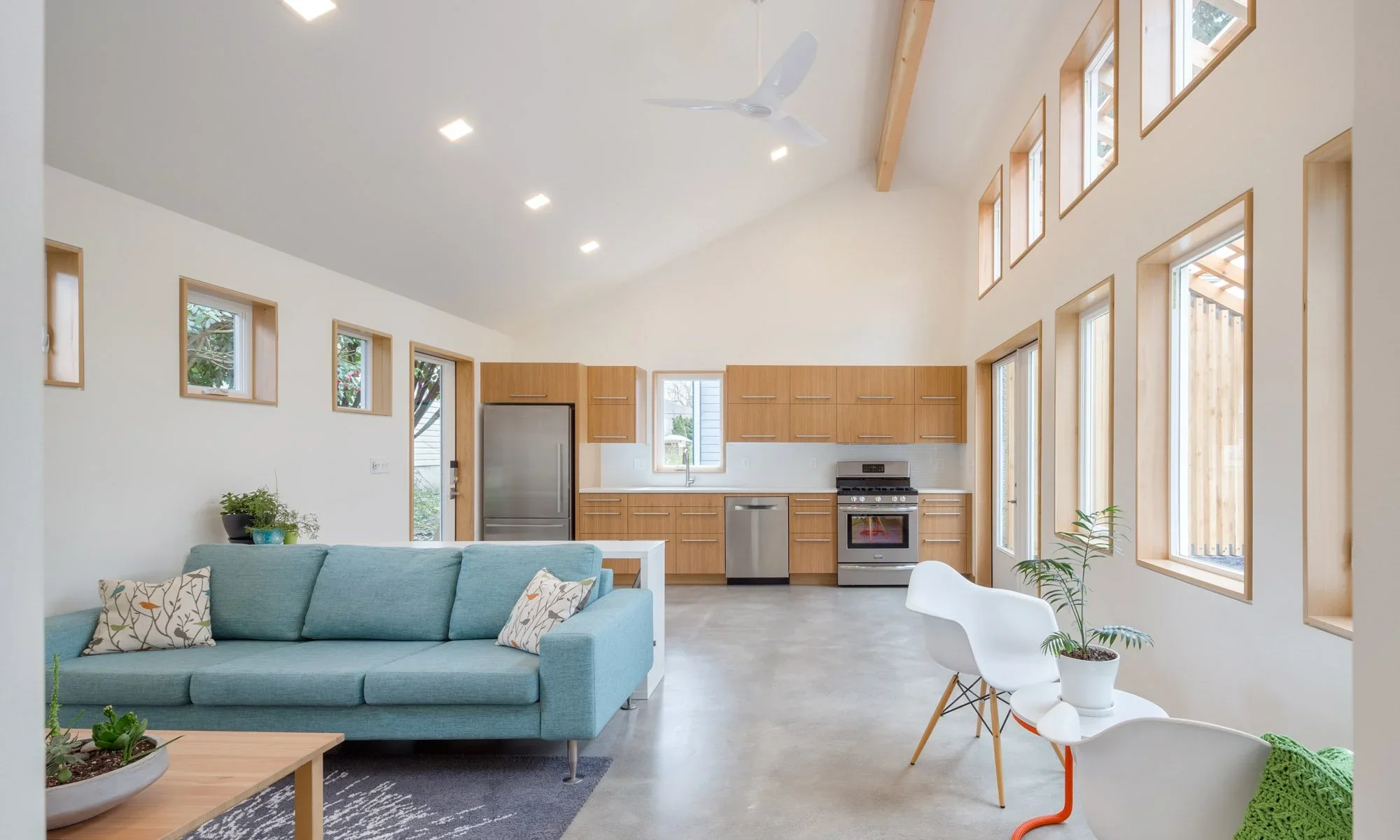
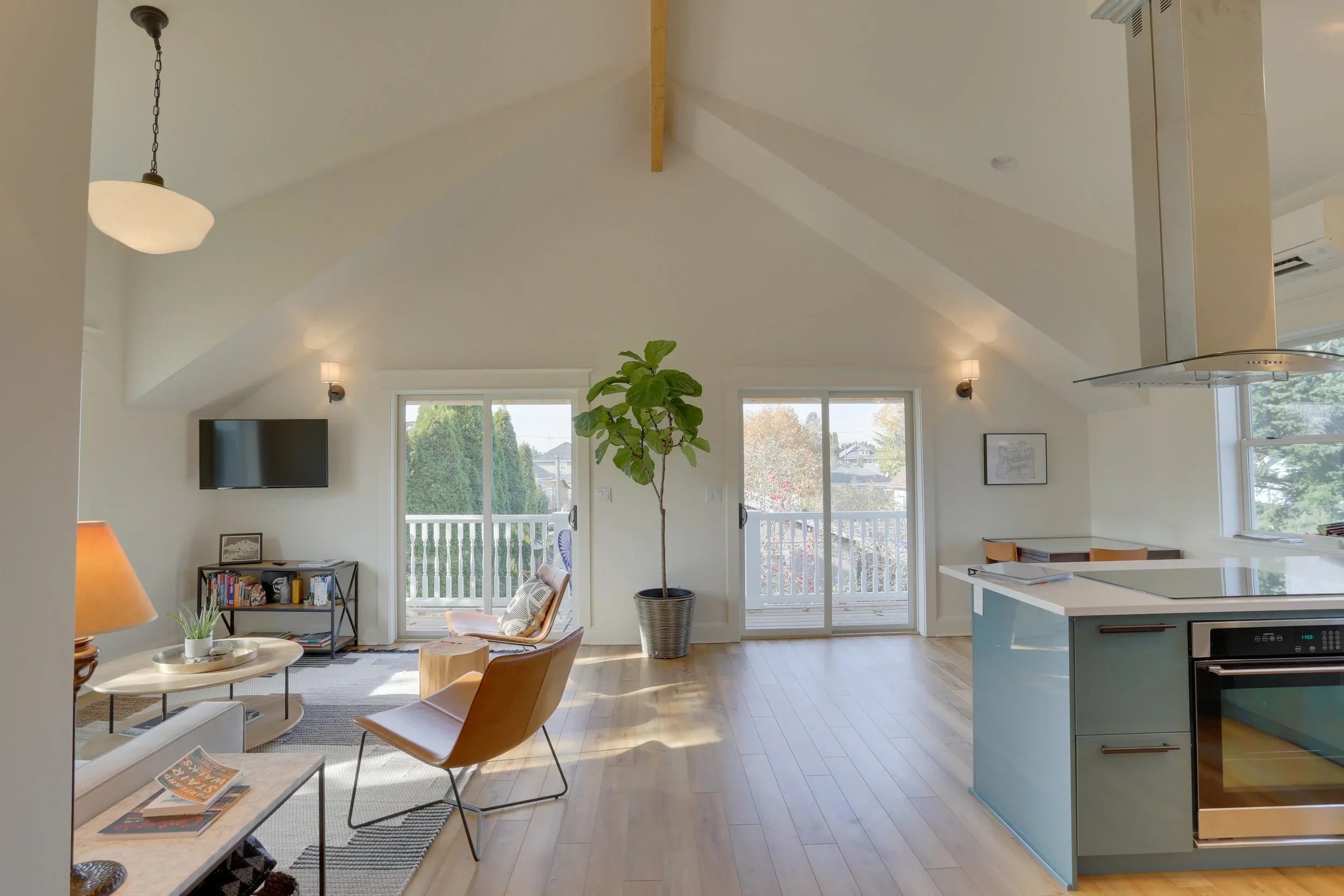
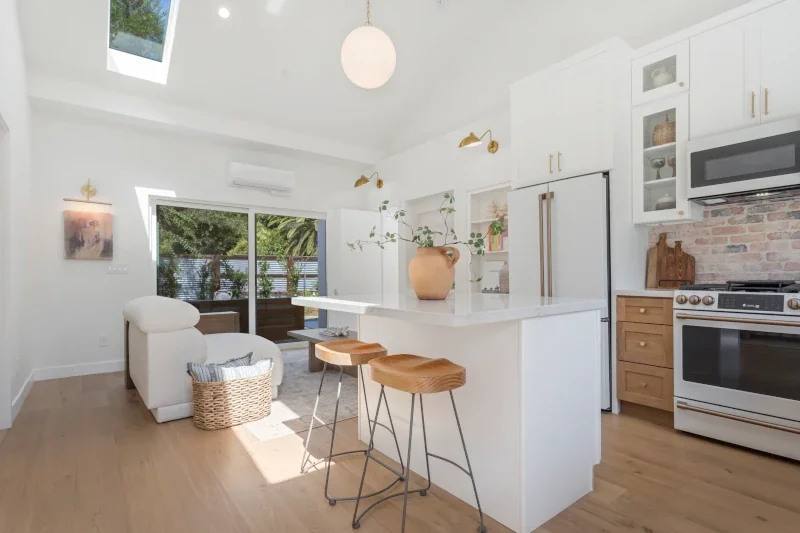
Quality moves these numbers meaningfully. A bright, private unit with in-unit laundry, a real kitchen, and its own outdoor space rents faster and roughly 10 to 20 percent higher than a dark conversion with a kitchenette, which is why design decisions are investment decisions.
The Cost Side: What You’ll Spend to Build
Garage conversion: $150,000 to $300,000 — the strongest pure-ROI play because the structure already exists.
Detached new-construction ADU: $350,000 to $600,000+ all-in, including site work, utilities, and fees.
Operating costs to model: insurance, maintenance reserves, modest utility increases, and vacancy (typically low in this market, but model 3–5 percent).
The Payback Math: Three Honest Scenarios
Garage conversion at $220,000 renting for $2,600/month: roughly $31,000 gross annual income, a gross payback in the 7–9 year range before tax effects.
Detached 1BR at $450,000 renting for $3,300/month: roughly $40,000 gross annually, gross payback in the 11–13 year range, with the asset and land appreciation working alongside.
Multigenerational use: if the ADU replaces assisted-living or senior-apartment costs that easily exceed $5,000–$8,000 per month in this region, the "return" can outpace any rental scenario, while keeping family close.
Two accelerants improve every scenario: financing that taps existing home equity rather than cash, and the fact that rents in this market have historically grown while your construction cost is fixed the day you build.
What an ADU Does to Property Value
Appraisal practice has caught up with the ADU era. Units with permits, quality finishes, and rental history are increasingly credited at meaningful value, and homes with ADUs attract two extra buyer pools: investors and multigenerational families. Equally important in California: building an ADU does not trigger reassessment of your existing home, only the new construction is added to your tax basis.
Five Design Choices That Maximize Rental ROI
Build a real one-bedroom over a large studio when the budget allows, the rent premium usually outruns the cost difference.
Private entrance and outdoor space: the two features tenants in this market consistently pay for.
In-unit laundry: disproportionate impact on rent and tenant retention for its cost.
Durable, premium-feel finishes: quartz, LVP or hardwood, quality fixtures, low maintenance, high perceived value.
Sound separation and privacy planning between the ADU and main house protect both the rent and your own quality of life.
Frequently Asked Questions
Do I have to live on the property to rent my ADU?
For standard ADUs, California currently imposes no owner-occupancy requirement, though rules differ for some junior ADUs. Verify current city specifics during feasibility.
Are short-term rentals allowed?
Most Bay Area cities restrict ADU rentals to 30 days or longer. Model your ROI on long-term rents, they are strong enough here that the math rarely needs Airbnb.
What financing options exist for ADU construction?
Common paths include HELOCs, cash-out refinancing, renovation loans, and construction loans. Many of our clients combine home equity with the unit’s projected income in their planning; your lender and tax advisor can tailor the structure.
Run the Numbers on Your Lot
The investment case always comes down to your specific property: buildable area, utility distances, and what the unit will rent for on your street. Our design-build team builds ADUs across the Bay Area and will give you a feasibility-level budget and honest rent expectations before you commit a dollar to design. Contact us to schedule a consultation.
Proudly serving San Jose, Campbell, Los Gatos, Saratoga, Cupertino, Sunnyvale, Santa Clara, Mountain View, Los Altos, Los Altos Hills, Palo Alto, Menlo Park, Stanford, Woodside, Emerald Hills, Atherton, South San Francisco, Redwood City, Foster City, Portola Valley, Belmont, San Mateo, Burlingame, Millbrae, Hillsborough, San Bruno, Daly City, Colma, Brisbane, Pacifica, Milpitas, San Carlos, and surrounding Bay Area communities.