
Renovation Bid Comparison: How to Compare Quotes
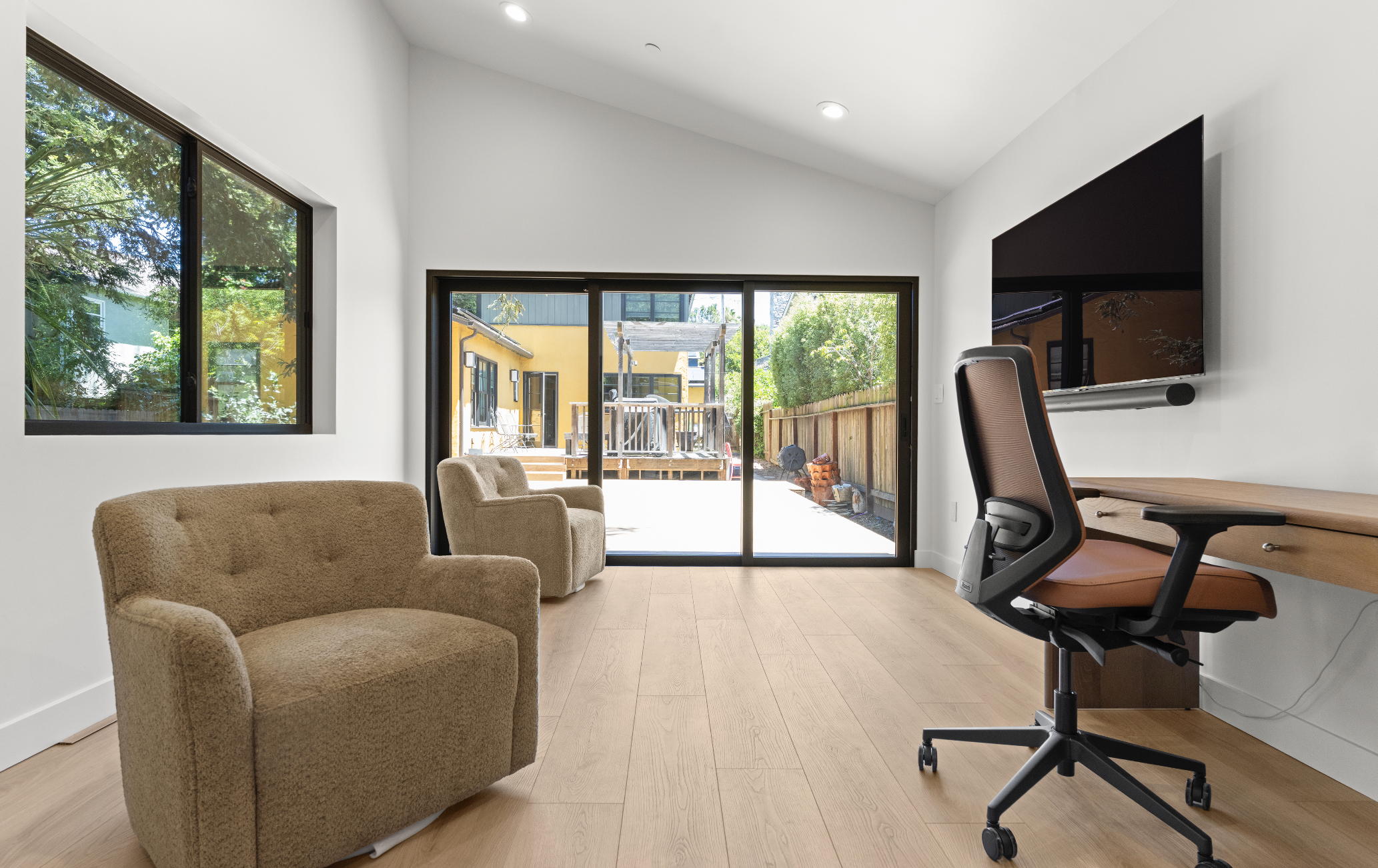
A renovation bid comparison should do more than identify the lowest number. For a major Bay Area remodel, addition, ADU, or rebuild, it should show you what each contractor has actually committed to deliver, what remains uncertain, and who will be responsible when plans change. Two proposals can be $100,000 apart and still be difficult to compare if they are built on different assumptions.
The goal is not to find the cheapest quote. It is to select the team that has defined the work clearly, planned for the real conditions of your property, and can carry the project from permitting through construction without costly handoffs.
Start Your Renovation Bid Comparison With Scope
A bid is only as useful as the scope behind it. Before comparing totals, confirm that every contractor priced the same drawings, finish level, structural requirements, and site conditions. If one builder is pricing a conceptual floor plan while another has reviewed permit-ready drawings, their numbers are not competing on equal terms.
Ask each bidder to identify what is included in writing. For a whole-home remodel or room addition, that should cover demolition, framing, structural work, plumbing, electrical, HVAC, insulation, drywall, windows, roofing, waterproofing, cabinetry, finishes, site protection, cleanup, and project supervision. It should also state whether engineering, permit fees, utility coordination, and inspections are included or handled separately.
A short proposal is not automatically a bad proposal, but it requires more questions. Vague language such as “per plans” or “complete remodel” can hide major gaps when the plans do not define every material, fixture, or construction detail. The more complex the project, the more detail you need before construction begins.
Watch for Scope Gaps That Become Change Orders
Change orders are not always a warning sign. Homeowners make selections, discover conditions behind walls, and revise plans. The concern is a bid that appears low because predictable work was left out.
For example, an older Los Gatos home may need electrical upgrades, foundation work, drainage improvements, or asbestos testing. A contractor who acknowledges these possibilities and explains the process for handling them may give you a more useful proposal than one who simply excludes them. The key distinction is whether an unknown condition is clearly identified and reasonably planned for, rather than ignored.
Ask this direct question: “What work do you expect may be added later, and why was it not included now?” A capable contractor can explain the answer without deflecting or making broad promises that every unknown is covered.
Compare Allowances, Not Just Fixed Prices
Allowances are estimated budgets for items that have not been selected or fully specified. They are common for cabinetry, appliances, tile, plumbing fixtures, lighting, flooring, and countertops. They are also one of the easiest ways for a proposal to look less expensive than the project will ultimately be.
An allowance is not a problem when it reflects your intended finish level. It becomes a problem when the allowance is too low for your goals. A $12,000 appliance allowance may work for one kitchen and fall far short for another. If you want custom cabinetry, premium windows, or stone slabs with detailed fabrication, your bid should account for that standard from the start.
Review each allowance against actual products or realistic ranges. Request a schedule that shows the dollar amount, labor assumptions, taxes, delivery, installation, and any markup. A low material allowance may also create a labor gap if the selected product requires more complex installation.
Use a simple side-by-side review like this before focusing on the final total:
Comparison item - What to verify
Base scope - Are demolition, structural work, systems, finishes, and cleanup included?
Allowances - Are the budgets realistic for the quality and brands you expect?
Exclusions - What is specifically not included, and will you need another vendor?
Permits and design - Who manages drawings, engineering, city comments, and inspections?
Schedule - What is the expected preconstruction period and construction duration?
Change orders - How are pricing, approvals, and schedule impacts documented?
Evaluate the Schedule Behind Each Bid
A lower price can lose its appeal quickly if the contractor cannot start for months, has not accounted for permitting, or lacks a clear sequencing plan. Your comparison should include the full project timeline, not just the days spent on site.
For Bay Area projects, preconstruction can involve survey work, architectural coordination, structural engineering, energy documentation, plan review, and city revisions. Construction may then depend on long-lead windows, electrical equipment, cabinetry, or specialty finishes. A proposal that promises an unusually fast build without addressing these steps deserves closer review.
Ask when the contractor can begin design coordination, submit for permits, start construction, and reach substantial completion. Then ask what could affect those dates. A thoughtful answer will distinguish between items the team controls, such as trade scheduling and procurement, and items that depend on city review or homeowner selections.
Design-build firms can offer an advantage here because the design, permitting, estimating, and construction teams are aligned from the beginning. Rather than sending completed plans out for a separate bid and hoping every contractor interprets them the same way, the team can identify constructability issues and budget pressure earlier. That does not eliminate every variable, but it reduces the fragmentation that often causes delays.
Look at Accountability, Not Just Credentials
Licensing, insurance, references, and a strong portfolio matter. They are the baseline. For a major residential project, you also need to understand who owns the day-to-day decisions.
Will one project manager coordinate the schedule, subcontractors, inspections, and communication? Who answers when an engineer changes a detail, a permit reviewer requests clarification, or a material delivery is delayed? If the contractor uses separate designers, estimators, and field teams, ask how information moves between them and who has authority to resolve conflicts.
This is where a bargain bid can become expensive. A homeowner who must coordinate an architect, permit runner, contractor, and multiple specialty vendors is carrying risk that should be managed by the project team. EDR Design Build approaches this work as one integrated responsibility: permit, design, and build under a single team. For homeowners planning complex improvements, that structure creates clearer ownership from early decisions through final construction.
Read the Payment Schedule Carefully
Payment terms should match visible progress and the contractor’s procurement responsibilities. Deposits, progress payments, and final payment should be clearly defined. Be cautious of front-loaded schedules that require substantial payment before materials are ordered or work is completed.
Also review how contingency funds are treated. A contingency is a planned reserve for legitimate unknowns, not a blank check. You should know who can authorize its use, how costs are documented, and whether unused funds remain available to you.
Know When the Higher Bid Is the Better Value
The right bid is often not the lowest or highest. It is the one that gives you confidence in the actual project cost, schedule, design intent, and management plan.
A higher proposal may include permit management, detailed preconstruction, stronger supervision, realistic allowances, and work that another bidder excluded. It may also reflect a contractor who has spent more time studying your property and identifying challenges before committing to a price. That work has value because it reduces surprises after demolition begins.
On the other hand, a higher number is not automatically more complete. Ask for clarification until you can point to the scope difference. If two bids vary significantly, request that both contractors price the same defined items. Do not ask them to simply “match” a competitor’s total. That often leads to reduced scope, weaker allowances, or pressure that surfaces later in the project.
Make the Decision Before You Are Under Pressure
Give yourself time to review bids before you need to move out, before a permit deadline, or before a family change makes the project urgent. Meet with each finalist and walk through the proposal line by line. Pay attention to how clearly they explain trade-offs. A contractor who is direct about risks before signing is more likely to communicate well when the project is underway.
Your home is not a commodity purchase, and your contractor should not treat it like one. Choose the team that can show how the work will be planned, permitted, built, and managed - then make your decision with the same care you would bring to the home itself.
Proudly serving San Jose, Campbell, Los Gatos, Saratoga, Cupertino, Sunnyvale, Santa Clara, Mountain View, Los Altos, Los Altos Hills, Palo Alto, Menlo Park, Stanford, Woodside, Emerald Hills, Atherton, South San Francisco, Redwood City, Foster City, Portola Valley, Belmont, San Mateo, Burlingame, Millbrae, Hillsborough, San Bruno, Daly City, Colma, Brisbane, Pacifica, Milpitas, San Carlos, and surrounding Bay Area communities.
