The traditional approach to adding on to your home involves hiring an architect, waiting months for drawings, then bidding the work out to general contractors who had no input on the design. It's a process that creates gaps — between what was designed and what can be built efficiently, between what you thought you were getting and what ends up in your contract.
A design-build home addition changes the model entirely. One firm is responsible for both the design and the construction, aligned from day one on your goals, your budget, and the realities of your specific site. For Bay Area homeowners navigating complex permitting and high construction costs, the design-build approach consistently delivers better outcomes.
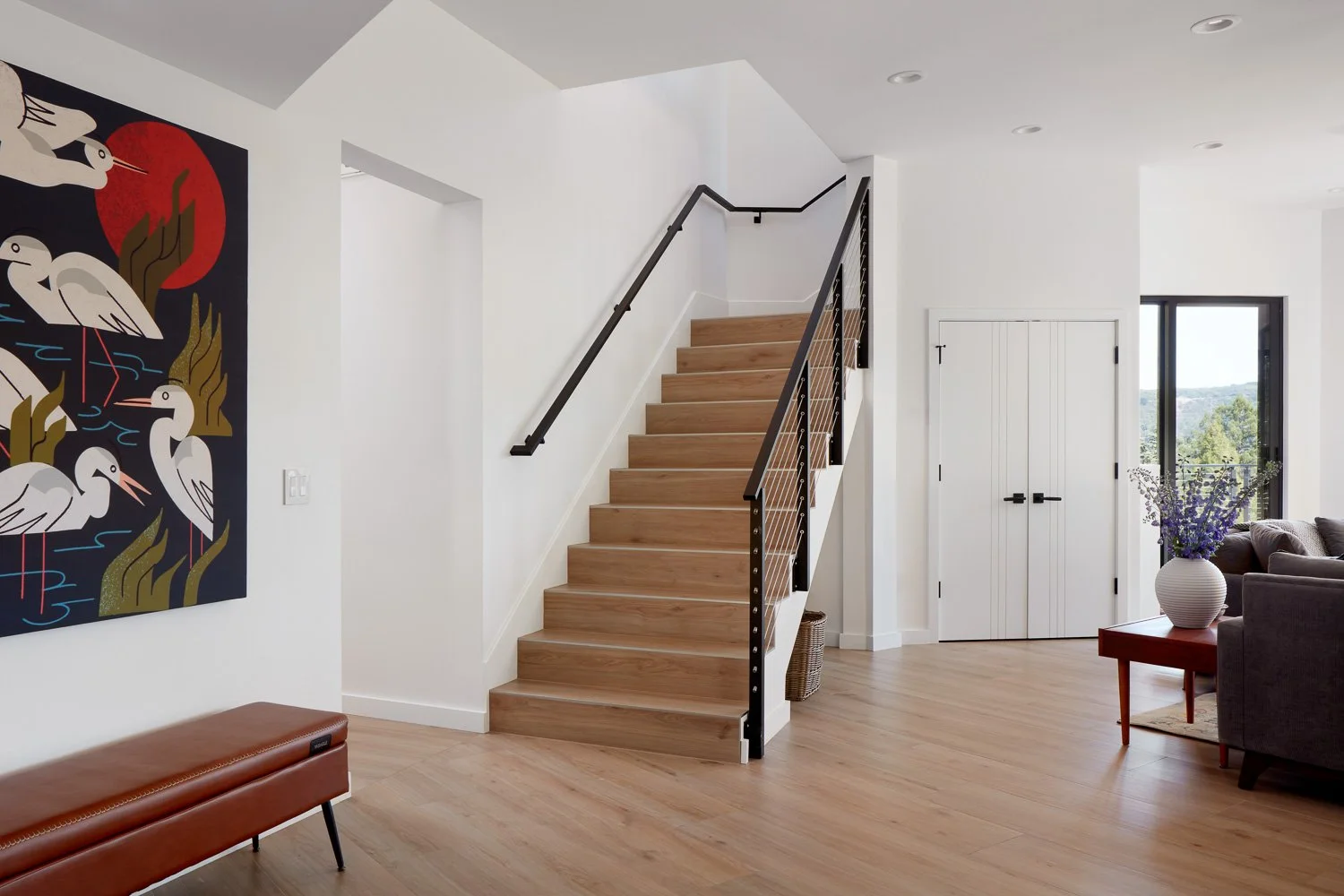
What Is a Design-Build Home Addition?
A design-build home addition is a project where a single firm provides both architectural design services and construction. Rather than working with separate designers and builders who may have conflicting interests, you have one team — one contract, one point of accountability, one shared goal.
The design team and construction team work together throughout the project:
• The architects design with buildability in mind — avoiding details that look good on paper but are expensive or difficult to construct.
• The builders provide real cost feedback during design, not after you've already fallen in love with a plan.
• Permitting is handled by people who know exactly what will be built — reducing the back-and-forth between city planning departments and the design team.
The result is typically a smoother project, fewer change orders, and a final product that actually matches the original vision.
Design-Build vs. Traditional General Contractor: What's the Difference?
In a traditional project:
1. You hire an architect and spend 3–6 months on design and drawings.
2. You put the drawings out for bids to multiple contractors.
3. The lowest bidder wins — often someone who has never worked with your architect and has no commitment to the original design intent.
4. Change orders accumulate when the builder encounters design details they didn't price or can't execute as drawn.
In a design-build project:
1. You engage one firm that handles design and construction.
2. The architect and project manager work together from the beginning.
3. Budget is monitored throughout design — not revealed for the first time when bids come in.
4. Construction begins with a team that designed the project and knows every detail.
For additions — which involve complex integration with existing structure, systems, and finishes — this alignment is especially valuable.
The Bay Area Design-Build Advantage: Permits
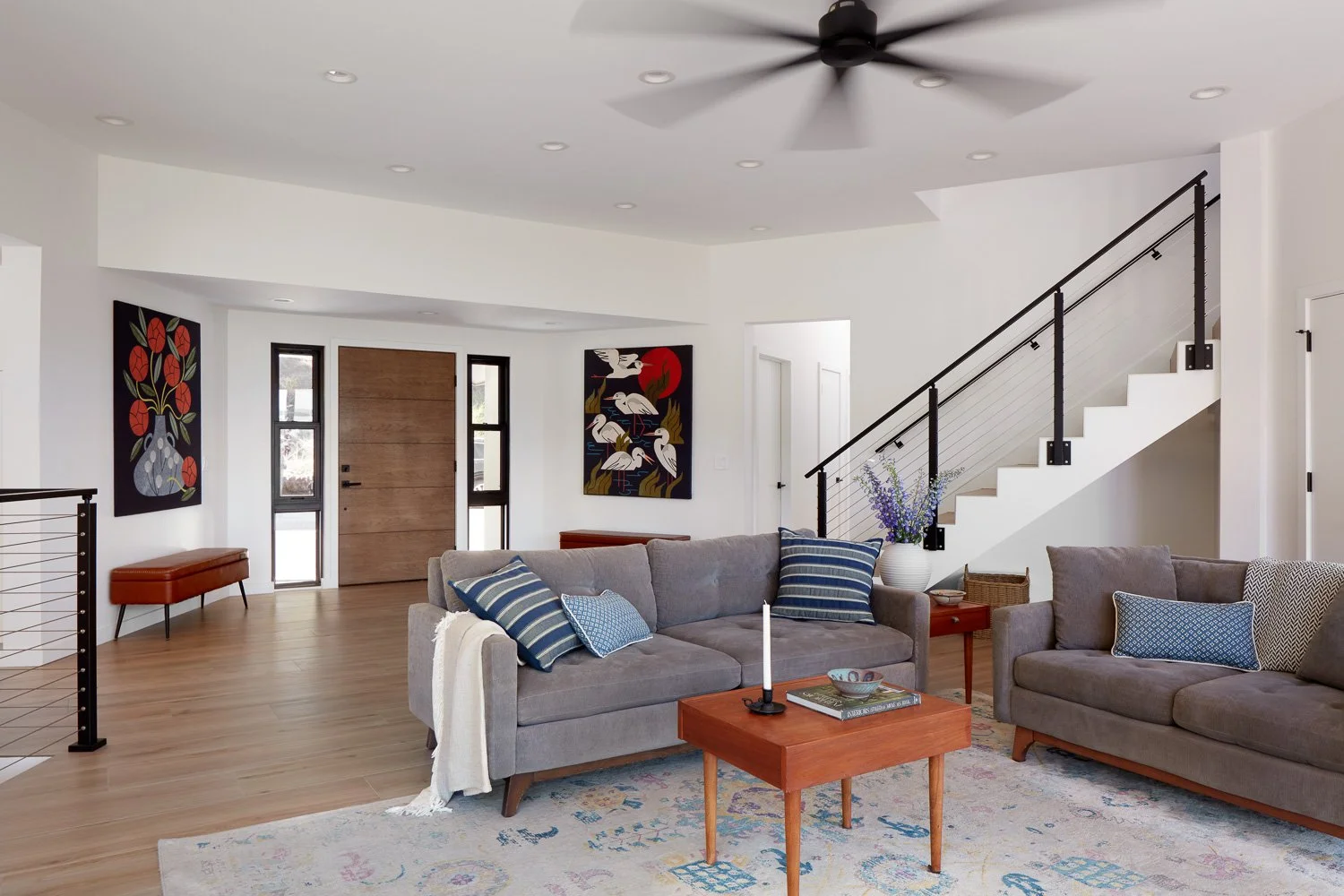
In cities like Palo Alto, Menlo Park, Belmont, and Saratoga, the permit process for home additions can be intricate. Design review boards may have aesthetic requirements. Engineering departments require detailed calculations. Planning departments have their own checklists for setbacks, lot coverage, and FAR (floor area ratio).A design-build firm with extensive Bay Area experience knows these requirements before the first drawing is made. The architect designs within the parameters that will get approved — not to an idealized version that requires revision after the city's first review. This local knowledge alone can save 3–6 months on a project schedule.
What to Look for in a Bay Area Design-Build Contractor
Not every firm that calls itself "design-build" operates with fully integrated design and construction teams. Before hiring, ask:
• Do your architects and project managers work together from the start, or does design hand off to construction?
• Can I meet both the lead designer and the project manager who will run my job before I sign?
• How do you handle scope changes that come up during construction?
• What does your budget-tracking process look like during design?• Do you have completed projects I can visit in person?
A genuinely integrated design-build firm will answer these questions with specific processes, named team members, and a portfolio of completed Bay Area additions that demonstrate design quality and construction precision.
In-House Architecture vs. Third-Party Design Partners
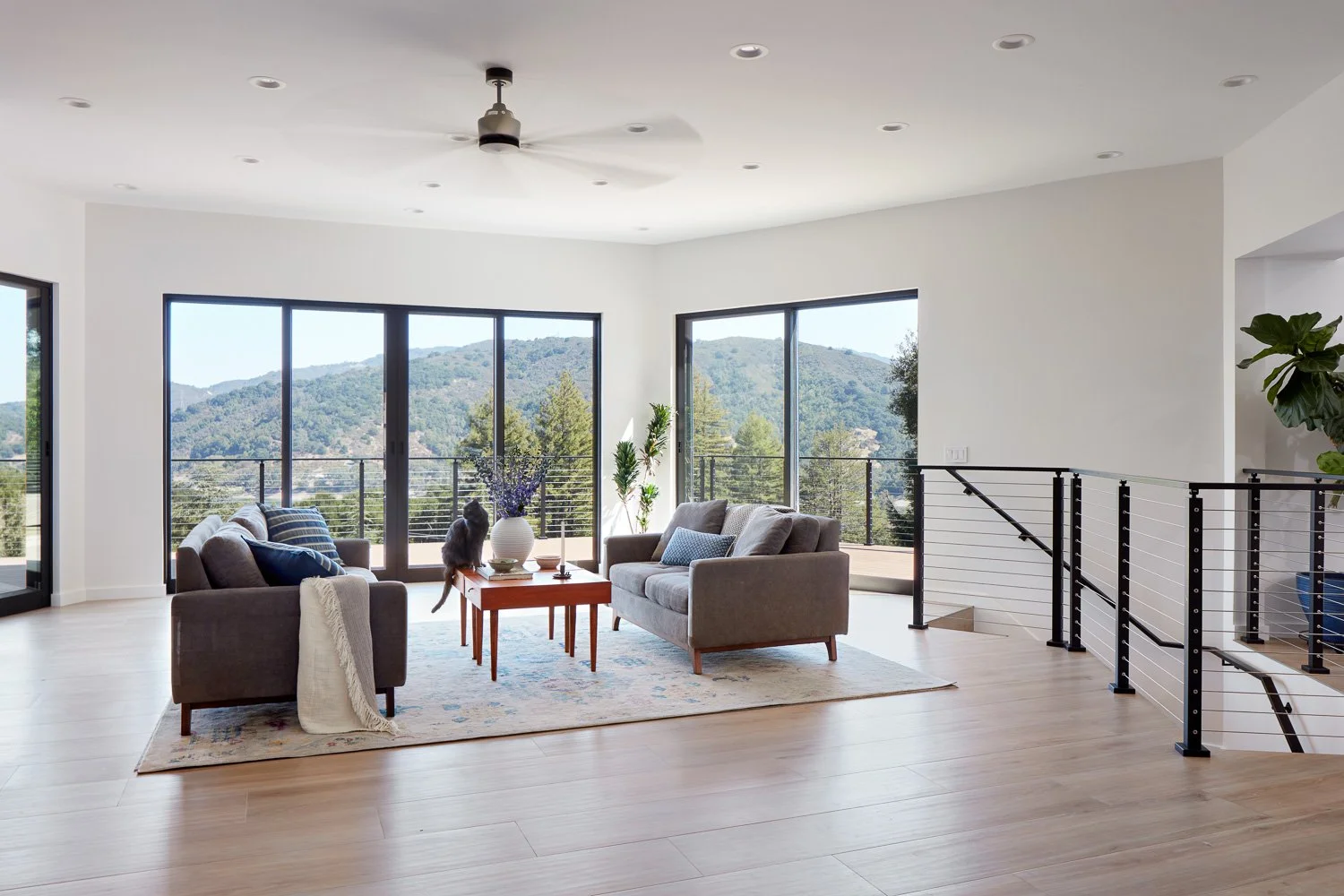
Some design-build firms have licensed architects on staff. Others partner with outside architecture firms they've worked with for years. Both can work well — what matters is the depth of integration and the track record of the relationship.
When evaluating this, ask how many projects the firm has completed with their current architectural partner, and whether you'll have direct access to the architect throughout your project or whether communication flows only through the contractor.
In-house architecture tends to offer the tightest integration and the most seamless communication — particularly useful for additions where design decisions have direct structural and cost implications.
Starting Your Design-Build Addition
The first step is a discovery meeting at your home. A good design-build contractor will want to understand your goals, walk the property, assess the existing structure, and have an honest conversation about what's possible within your budget.
From there, you'll move into a feasibility and preliminary design phase — before committing to full construction documents. This early investment in design alignment typically prevents far more costly changes later in the process.
Look for a Bay Area design-build firm with a portfolio that reflects your taste, a process that includes you in key decisions, and a track record of delivering additions that hold up over time.
Proudly serving San Jose, Campbell, Los Gatos, Saratoga, Cupertino, Sunnyvale, Santa Clara, Mountain View, Los Altos, Los Altos Hills, Palo Alto, Menlo Park, Stanford, Woodside, Emerald Hills, Atherton, South San Francisco, Redwood City, Foster City, Portola Valley, Belmont, San Mateo, Burlingame, Millbrae, Hillsborough, San Bruno, Daly City, Colma, Brisbane, Pacifica, Milpitas, San Carlos, and surrounding Bay Area communities.