
Are ADUs Good Investments for Bay Area Homes?
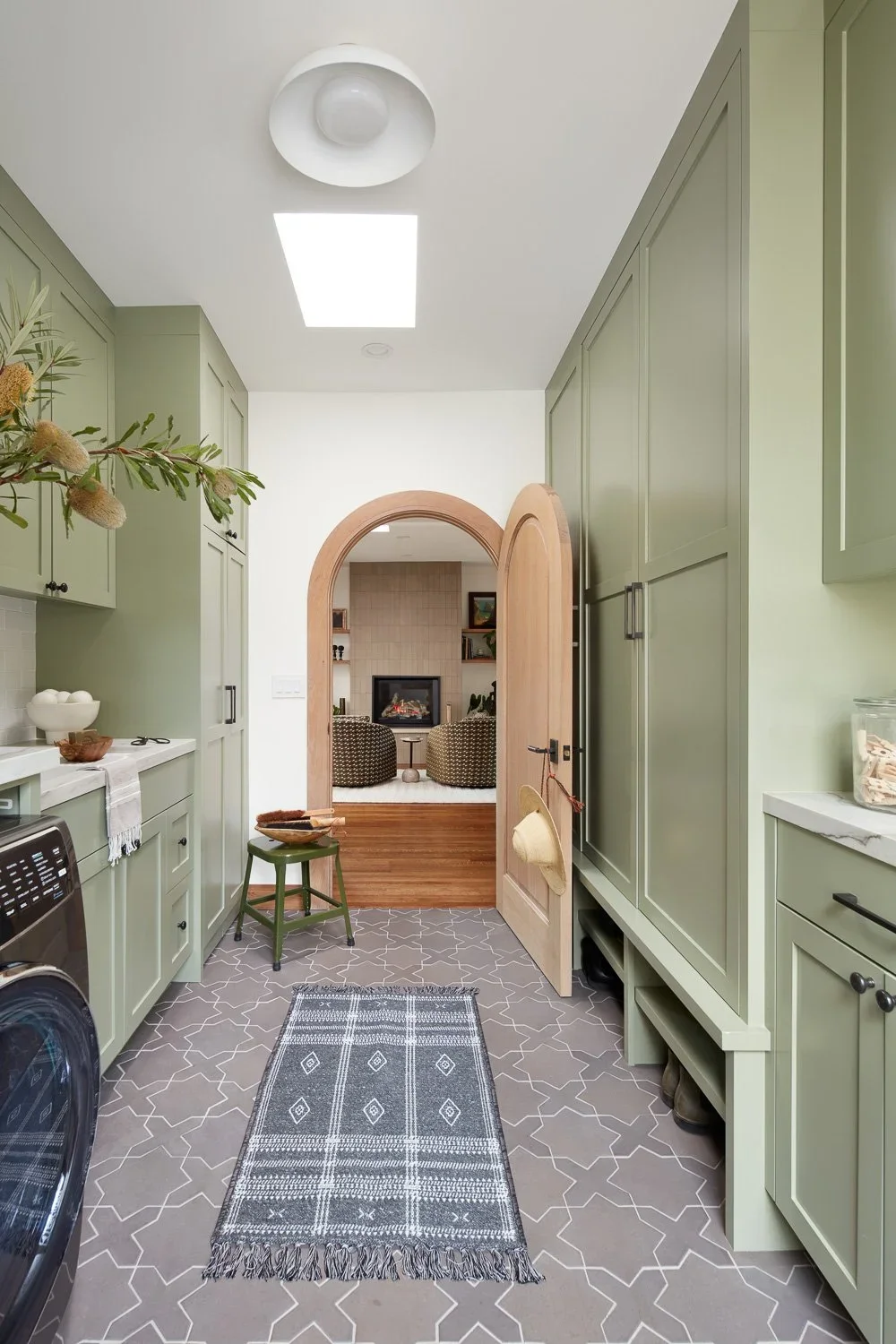
A detached backyard home can solve a space problem, create rental income, and make a property more useful for years to come. But are ADUs good investments for every Bay Area homeowner? Not automatically. An ADU is a major construction project, and its value depends on your site, financing, intended use, design decisions, and ability to manage permitting and construction without costly delays.
For homeowners in Los Gatos and throughout the Bay Area, the case for an ADU is often strong because housing is scarce, property values are high, and multigenerational living has become more common. The right project can add meaningful flexibility to your home. The wrong approach can leave you with an overbuilt unit, unexpected site costs, or a long timeline that weakens the financial return.
Are ADUs Good Investments? Start With the Purpose
The strongest ADU investments begin with a clear use case. A homeowner building a one-bedroom unit for an aging parent is measuring return differently than someone creating a long-term rental. A family that needs a private office, guest suite, or housing for an adult child may receive substantial day-to-day value even if they never collect rent.
An ADU can serve several purposes over its life. It may begin as a rental, become a home for family, and later function as a guest house or dedicated workspace. That flexibility is one reason well-designed ADUs can be compelling in established Bay Area neighborhoods, where moving to gain one extra bedroom or a separate living area may be far more expensive than improving the property you already own.
Still, avoid treating an ADU as a guaranteed profit center. If the project only works financially at an aggressive rental rate, or if you plan to sell soon after completion, run the numbers carefully. Rental demand, operating costs, vacancies, insurance, property taxes, and financing all affect the actual return.
Where ADU Value Comes From
An ADU can create value in two distinct ways: income and property utility. The first is easy to quantify. A permitted, well-designed unit may generate monthly rent that helps offset construction financing or adds long-term cash flow. The second is less visible but can be just as meaningful. It gives your household options without forcing a move.
Rental income can offset the investment
Long-term rental income is the most common financial reason homeowners pursue an ADU. In high-demand Bay Area locations, a private unit with a complete kitchen, bath, laundry, storage, and outdoor separation can appeal to tenants who want more privacy than an apartment provides.
The important word is private. A cramped unit with poor natural light, limited storage, or an awkward path through the main home may rent for less and turn over more often. Design quality directly influences usability, tenant appeal, and long-term durability. A unit that feels intentional is more likely to support the rent assumptions used in your planning.
Short-term rental income may look attractive on paper, but local rules, management demands, occupancy changes, and neighborhood considerations can make it less predictable. For many homeowners, a stable long-term tenant is the simpler model.
Resale value is real, but it is not dollar-for-dollar
A permitted ADU can make a property more attractive to future buyers, particularly buyers seeking flexibility for family, work, or rental income. In a competitive market, a finished ADU can differentiate a home from similar properties with only a backyard or unused garage.
That does not mean every construction dollar becomes resale value. Appraisers and buyers evaluate the overall property, neighborhood, quality of construction, bedroom count, lot layout, and market conditions. An expensive ADU on a constrained lot may not produce the same premium as a unit that fits naturally within a larger property.
The most reliable resale strategy is not to chase a specific future valuation. Build an ADU that improves the property as a whole: appropriate scale, thoughtful architecture, durable materials, clear access, and a layout that preserves the main home's privacy and outdoor living.
The Costs That Change the Math
Homeowners sometimes see an advertised cost per square foot and assume it will predict their ADU budget. It rarely tells the full story. Smaller buildings often carry a higher cost per square foot because kitchens, bathrooms, utility connections, permits, and site work are required regardless of size.
A realistic budget should account for design and engineering, permits, utility upgrades, grading, drainage, foundation work, sewer or water connections, electrical service, finishes, landscaping restoration, and contingency. A garage conversion may appear simpler than a detached ADU, but existing conditions can introduce their own surprises, including structural repairs, slab issues, ceiling height constraints, and utility rerouting.
Your site matters as much as your floor plan. Hillside conditions, limited access, mature trees, easements, older utility infrastructure, and tight setbacks can all affect cost and schedule. This is why early feasibility work is valuable. It identifies whether the project is truly buildable before you commit to a design that does not fit the property or budget.
Financing also deserves attention. The return on an ADU built with available cash differs from the return on one funded through a higher-interest loan. Look at the full monthly picture: debt service, estimated rent, maintenance reserve, utilities, insurance, and periods when the unit may be vacant or used by family.
Permitting Is Part of the Investment
California has made ADU development more accessible, but that does not make the permit process automatic. State rules set important standards, while local jurisdictions still review plans for zoning, building code, fire safety, utilities, drainage, and site-specific conditions.
A delay in permitting can affect financing, rental timing, and construction scheduling. Incomplete drawings or uncoordinated consultants can lead to corrections that add weeks or months. Changes discovered after construction begins are even more expensive because they can disrupt work already in progress.
For that reason, the construction team should be thinking about permitting and buildability from the beginning. Design is not separate from execution. The location of the unit, utility routes, foundation approach, window placement, access, and material selections all need to work on paper and in the field.
How to Evaluate an ADU Before You Build
A useful decision starts with four questions. First, what problem will the ADU solve for your household over the next five to 10 years? Second, what is the realistic all-in project budget, including site work and contingency? Third, what rent could the unit reasonably command if you choose to lease it? Fourth, how will the unit affect the privacy, parking, circulation, and outdoor experience of the main home?
If your answers show a clear functional need and a manageable financial path, an ADU may be a strong investment. If the plan depends on optimistic rent, assumes no site complications, or compromises the main home's livability, pause before proceeding.
It also helps to compare the ADU against alternatives. A room addition may better serve a family that needs more connected living space. A full remodel may produce a better result if the underlying issue is an outdated layout. A teardown and rebuild may make more sense when the existing home has significant limitations and the property can support a long-term custom solution.
Build for Flexibility, Not Just a Fast Return
The ADUs that hold up best over time are designed as complete homes, not leftover square footage. Prioritize efficient layouts, ample storage, natural light, sound separation, accessible paths, durable finishes, and utilities that can be maintained without disrupting the main residence.
A good design also respects the neighborhood and the property. The unit should feel private without making the backyard unusable. It should support its occupants without creating an awkward relationship with the primary home. These choices may not fit neatly into a spreadsheet, but they affect tenant demand, homeowner satisfaction, and buyer perception.
An integrated design-build process can reduce the risk of fragmented decisions by keeping design, permitting, budgeting, and construction under one accountable team. At EDR Design Build, that coordination helps homeowners move from early feasibility to a buildable plan with clearer expectations around scope, schedule, and execution.
The best time to determine whether an ADU is a good investment is before plans are finalized. Start with your property, your household's future needs, and a complete view of cost. When the unit is designed for real life as well as financial performance, it can become one of the most useful improvements you make to your home.
Proudly serving San Jose, Campbell, Los Gatos, Saratoga, Cupertino, Sunnyvale, Santa Clara, Mountain View, Los Altos, Los Altos Hills, Palo Alto, Menlo Park, Stanford, Woodside, Emerald Hills, Atherton, South San Francisco, Redwood City, Foster City, Portola Valley, Belmont, San Mateo, Burlingame, Millbrae, Hillsborough, San Bruno, Daly City, Colma, Brisbane, Pacifica, Milpitas, San Carlos, and surrounding Bay Area communities.
