The Open Concept Remodel: How to Remove Walls Without Removing Value
No single renovation move transforms a Bay Area home like opening it up. The region’s mid-century housing stock was built as a collection of small rooms, closed kitchens, formal dining rooms, narrow halls, while modern life happens in one connected space full of light. An open concept remodel bridges that gap, and done well, it is the highest-impact-per-dollar structural project in remodeling. Done casually, it produces sagging ceilings, cracked finishes, and acoustic regret. Here is how a structural remodel contractor approaches wall removal, what it costs in 2026, and the design judgment that separates open from empty.
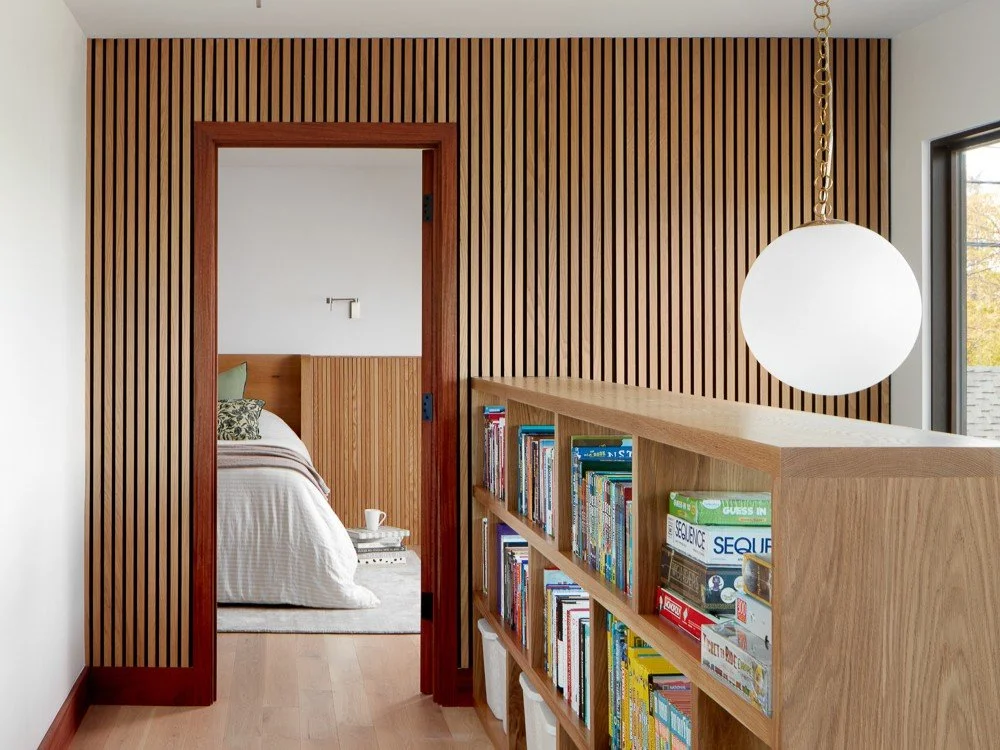
First Question: Is the Wall Load-Bearing?
Most walls homeowners want gone, between kitchen and dining, dining and living, are doing structural work: carrying ceiling joists, roof loads, or a second floor. That does not mean they cannot be removed; it means their job must be transferred to a beam engineered for the load. Never rely on rules of thumb (perpendicular joists, "it’s probably fine"), the answer comes from a structural evaluation, and in older homes with prior remodels, walls sometimes carry loads the original plans never showed.
Your Beam Options, and Why They Matter to the Ceiling
Dropped beam: spans below the ceiling line. Most economical, and when wrapped and detailed intentionally, it can define zones handsomely.
Flush (concealed) beam: recessed into the ceiling framing for a completely smooth plane, the seamless modern look, at higher cost in engineering and labor.
Steel: when spans get long or loads get heavy (second stories above, wide kitchen-living openings), steel keeps beam depth manageable. More cost, more capability.
The beam decision is also a design decision: ceiling continuity, lighting layout, and where the eye reads "one room" versus "two zones" all hang on it, literally.
What an Open Concept Remodel Costs in 2026
Single load-bearing wall removal (engineering, permit, beam, posts and footings, patch and finish): commonly $25,000 to $75,000 in the Bay Area, steel and concealed installations at the upper end.
The realistic project: wall removal almost never travels alone. Flooring must be unified across the new space, the kitchen usually relocates or expands, lighting is redesigned, and HVAC is rebalanced. Whole-main-level open concept remodels with a new kitchen typically run $250,000 to $600,000+ depending on scope and finish level.
Budget the invisible: electrical in the removed wall must be rerouted; plumbing or ducts inside it cost more. Pre-investigation tells you which wall you have before demolition does.
Design Judgment: Open, Not Empty
The backlash against open plans is really a backlash against thoughtless ones. The principles we design by:
Zones without walls: ceiling treatments, lighting, islands, and flooring direction give each function a place inside the openness.
Keep one away room. A den or study with a door is the pressure valve that makes the open core livable for real families.
Plan acoustics deliberately, soft surfaces, quality cabinetry hardware, and appliance selection keep one big room from sounding like one big drum.
Sightline discipline: decide what the eye should find from the front door and the sofa, and what it should not (the cooktop mess, the mudroom).
Frequently Asked Questions
Do I need a permit to remove a wall?
For structural walls, always, and Bay Area cities will require engineered drawings. Unpermitted structural work surfaces at sale time and costs far more to legalize retroactively than to permit properly the first time.
How long does wall removal take?
The structural work itself often takes one to two weeks. The full project, engineering, permit, removal, and finishing the space so it looks intentional, typically runs 2 to 4 months; full open-concept main levels with kitchens run longer.
Will an open plan help resale?
In Bay Area listings, a bright, open main level remains one of the most consistently rewarded features, provided the execution is seamless: flush transitions, unified flooring, coherent lighting. Buyers pay for finished, not just opened.
Open It Up, with Engineering Behind It
Our design-build team handles open concept remodels end to end: structural evaluation, engineering, permits, and the design and finish work that make the new space feel inevitable. If your home is a collection of rooms waiting to become one great space, contact us to schedule a consultation.
Proudly serving San Jose, Campbell, Los Gatos, Saratoga, Cupertino, Sunnyvale, Santa Clara, Mountain View, Los Altos, Los Altos Hills, Palo Alto, Menlo Park, Stanford, Woodside, Emerald Hills, Atherton, South San Francisco, Redwood City, Foster City, Portola Valley, Belmont, San Mateo, Burlingame, Millbrae, Hillsborough, San Bruno, Daly City, Colma, Brisbane, Pacifica, Milpitas, San Carlos, and surrounding Bay Area communities.