When your lot has nowhere left to go — and you're not ready to move — a second story addition is the most powerful option available. You double your living space, preserve your yard, and dramatically increase your home's value. But second-story additions are among the most complex residential construction projects. They require detailed structural engineering, careful integration with existing systems, and a contractor with specific experience in vertical expansion.
Here's what Bay Area homeowners need to know before building up.
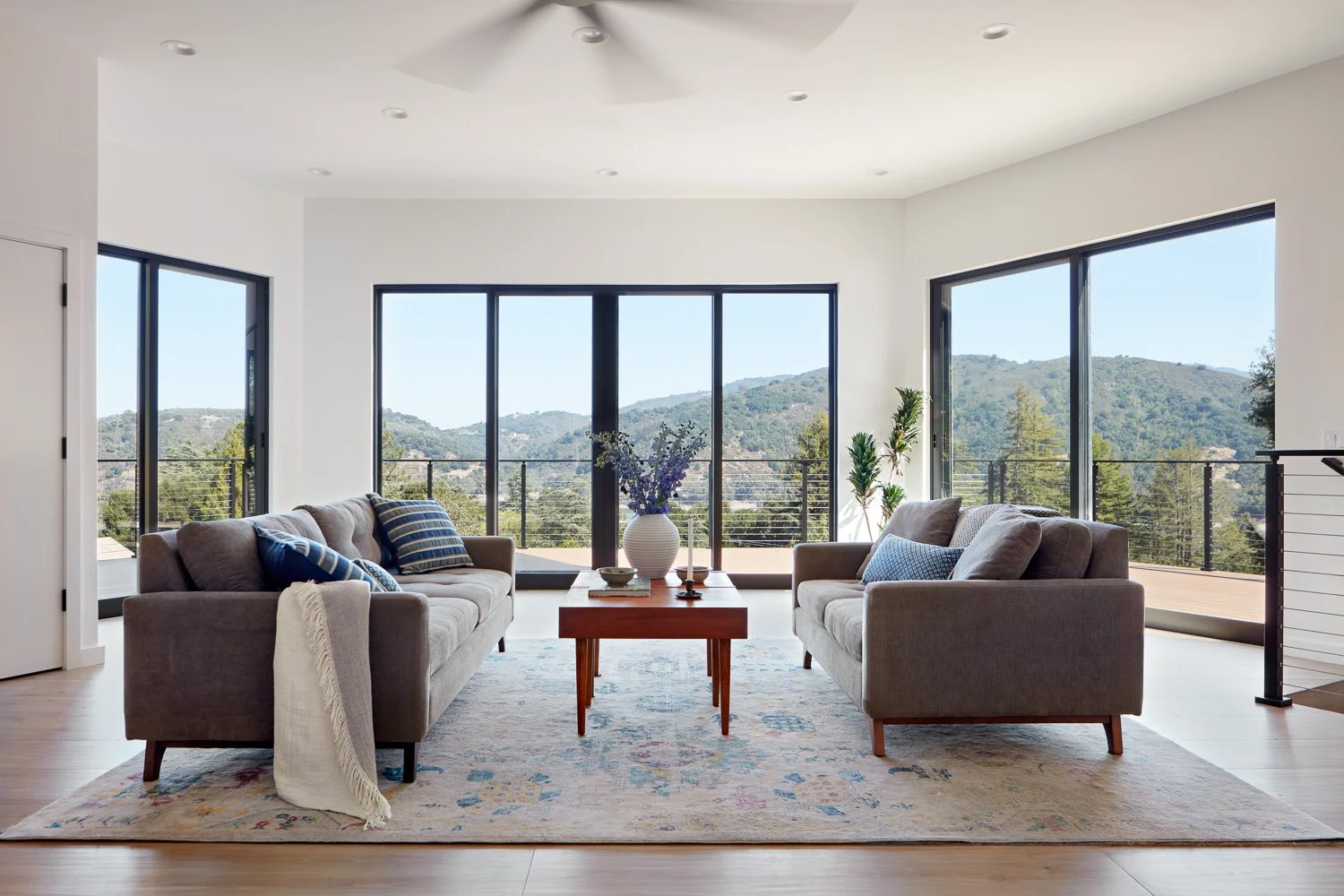
Why Second Story Additions Are Popular in the Bay Area
Bay Area lots are notoriously small, and in many jurisdictions, lot coverage limits and setback requirements make horizontal expansion difficult or impossible. Meanwhile, real estate prices mean buying a larger home — even in the same neighborhood — can cost $500,000 to $1,000,000 more than your current home.
A second story addition solves the space problem without the transaction costs of moving, the disruption of leaving your community, or the expense of purchasing additional property. For families in Palo Alto, Los Altos, Menlo Park, and similar Bay Area cities, adding a second story is often the best financial and practical decision.
Structural Considerations: Is Your Home Ready?
Not every home is immediately ready to have a second story added. Your contractor and structural engineer will assess:
• Foundation capacity — Can your existing foundation bear the additional load? Many older Bay Area homes on post-and-pier or shallow slab foundations require foundation reinforcement before adding a second floor.
• Wall framing — Existing exterior walls may need to be upgraded to transfer new loads properly.
• Shear walls and lateral bracing — California seismic requirements mean your second story needs to meet current code for earthquake resistance.
• Roof structure — The existing roof is removed and replaced with the new second floor and a new roof system.
A thorough structural assessment is the first step in any second-story project. Be cautious of contractors who skip this step.
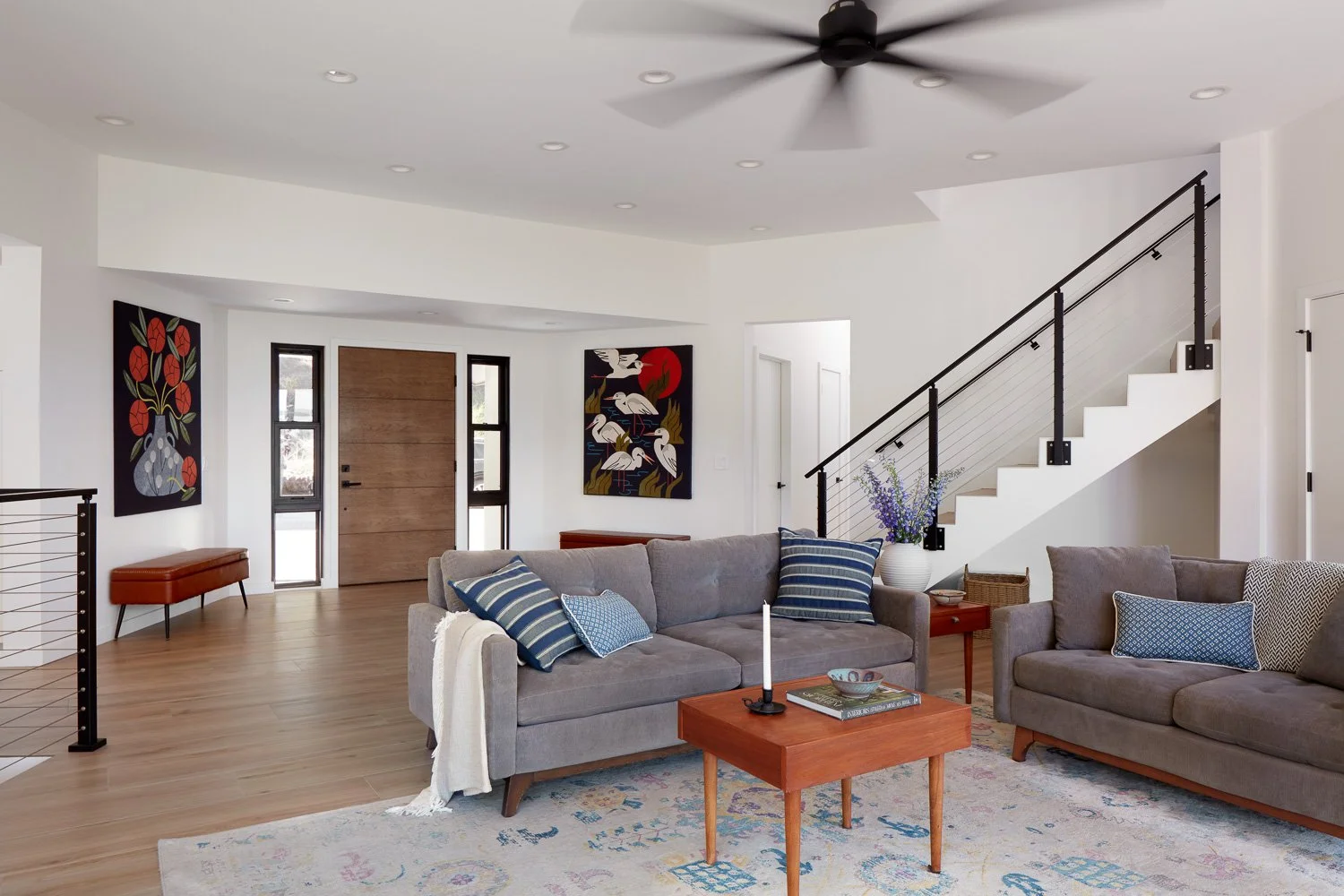
What's Typically Included in a Second Story Addition
A full second-story addition generally includes:
• Structural engineering drawings and calculations
• Foundation assessment and any required upgrades
• Removal of the existing roof
• New floor system for the second level
• Full framing for the new story
• Exterior cladding, roofing, and windows
• Interior rooms — typically bedrooms, bathrooms, and a hallway
• Staircase integration into the existing floor plan
• Electrical, plumbing, and HVAC extension to the new floor
• Insulation, drywall, finishes, and fixtures
Permitting for a second story addition is extensive — plan for 3 to 6 months of permit review in most Bay Area cities, and longer in cities with detailed design review requirements.
How Much Does a Second Story Addition Cost in the Bay Area?
Second story additions are major projects with correspondingly significant price tags:
• 600–900 sq ft addition: $350,000–$500,000
• 1,000–1,400 sq ft addition: $500,000–$750,000
• Full second story (1,500+ sq ft): $700,000–$1,000,000+Costs include structural engineering, demolition of the existing roof, foundation work, full construction, and all finishes. Projects on hillside lots, homes with complex existing rooflines, or sites in cities with design review requirements will trend toward the higher end.
Compare this to the cost of buying a comparable larger home in the same neighborhood — in Palo Alto or Los Altos, the equity gain from a well-executed second story addition often exceeds the project cost.
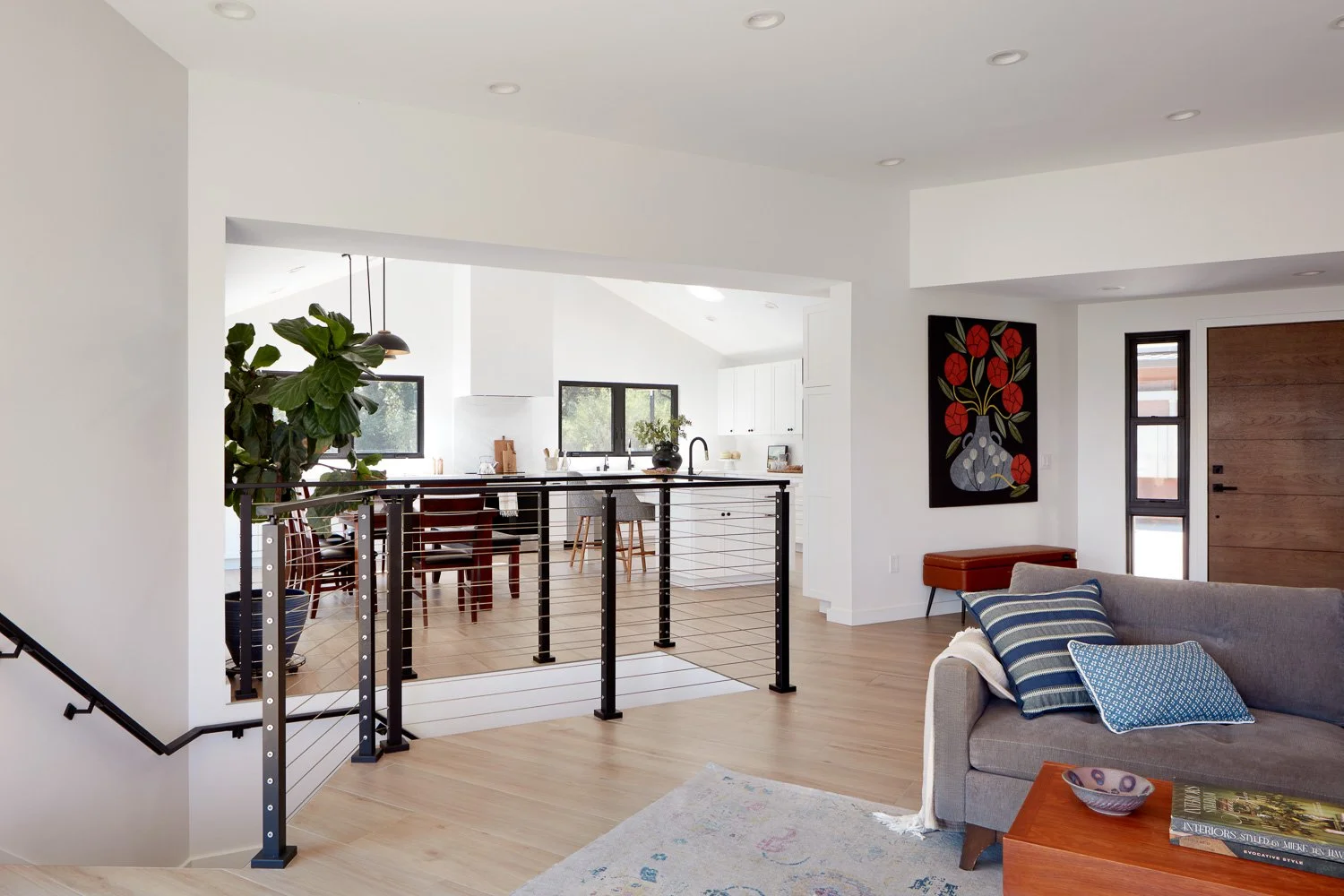
Choosing the Right Contractor for a Second Story Addition
Second story additions require a contractor with specific experience in structural remodeling and vertical expansion. When evaluating candidates, ask:
• How many second-story additions have you completed in the Bay Area?
• Do you have an in-house structural engineer or a regular engineering partner?
• What's your process for managing seismic upgrades required by current code?
• Can you share a portfolio of second-story projects including before/after photos?
• How do you manage client communication during a project where the home's roof is removed?
A design-build firm with in-house architecture and engineering is often the best fit for second story work — the structural and architectural decisions are deeply interconnected, and having one team manage both reduces errors and change orders.
Living Through a Second Story Addition
Many Bay Area homeowners choose to remain in their homes during construction, which is possible for a second story addition (unlike full home renovations). Your contractor should provide a clear plan for:
• Temporary weatherproofing during roof removal
• Dust and debris containment to protect the first floor
• Access to utilities throughout construction
• A realistic daily schedule so you know when the loudest work happens
Expect construction to take 6 to 12 months depending on project scope, permit timeline, and material lead times. Realistic scheduling from your contractor upfront prevents frustration later.
Proudly serving San Jose, Campbell, Los Gatos, Saratoga, Cupertino, Sunnyvale, Santa Clara, Mountain View, Los Altos, Los Altos Hills, Palo Alto, Menlo Park, Stanford, Woodside, Emerald Hills, Atherton, South San Francisco, Redwood City, Foster City, Portola Valley, Belmont, San Mateo, Burlingame, Millbrae, Hillsborough, San Bruno, Daly City, Colma, Brisbane, Pacifica, Milpitas, San Carlos, and surrounding Bay Area communities.